
When it comes to improving your smile, cosmetic dentistry offers more than one solution. Two of the most commonly recommended treatments are veneers and crowns. While both options improve the appearance and function of teeth, they serve different purposes. Understanding the key differences can help you make a confident decision. This guide from Dedicated Smiles explains everything you need to know about Veneers vs Crowns, so you can choose what fits your dental needs and long-term goals.
Understanding Cosmetic Dental Treatments
Cosmetic dental treatments focus on improving how teeth look while also supporting oral health. However, not every treatment works the same way. Some procedures focus mainly on surface appearance, while others restore structure and strength. Because of this, dentists carefully evaluate each patient before recommending veneers or crowns.
Although both options enhance smiles, the choice depends on tooth condition, damage level, and personal expectations. Therefore, learning how each treatment works is the first step toward the right decision.
What Are Dental Veneers?
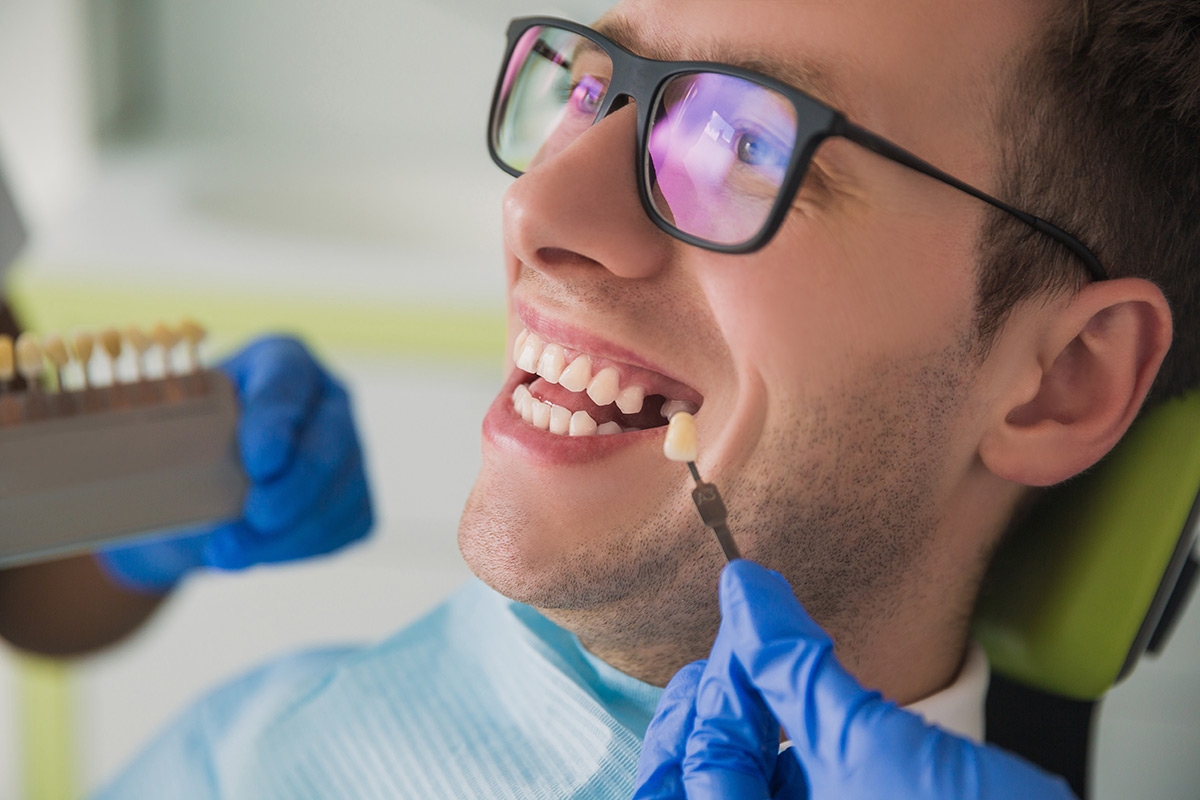
Dental veneers are thin shells made from porcelain or composite material. They are bonded to the front surface of teeth to improve color, shape, or alignment. Since veneers only cover the visible portion of the tooth, they are often chosen for cosmetic improvements rather than structural repairs.
Veneers are commonly used for:
- Stained or discolored teeth
- Minor chips or cracks
- Small gaps between teeth
- Slightly uneven or misshapen teeth
Because veneers require minimal tooth reduction, many patients prefer them when their teeth are otherwise healthy. As a result, veneers are popular among individuals seeking noticeable cosmetic improvement with less invasive treatment. I you want a guide related to How to Care for Porcelain Dental Veneers: Expert Aftercare Tips
What Are Dental Crowns?
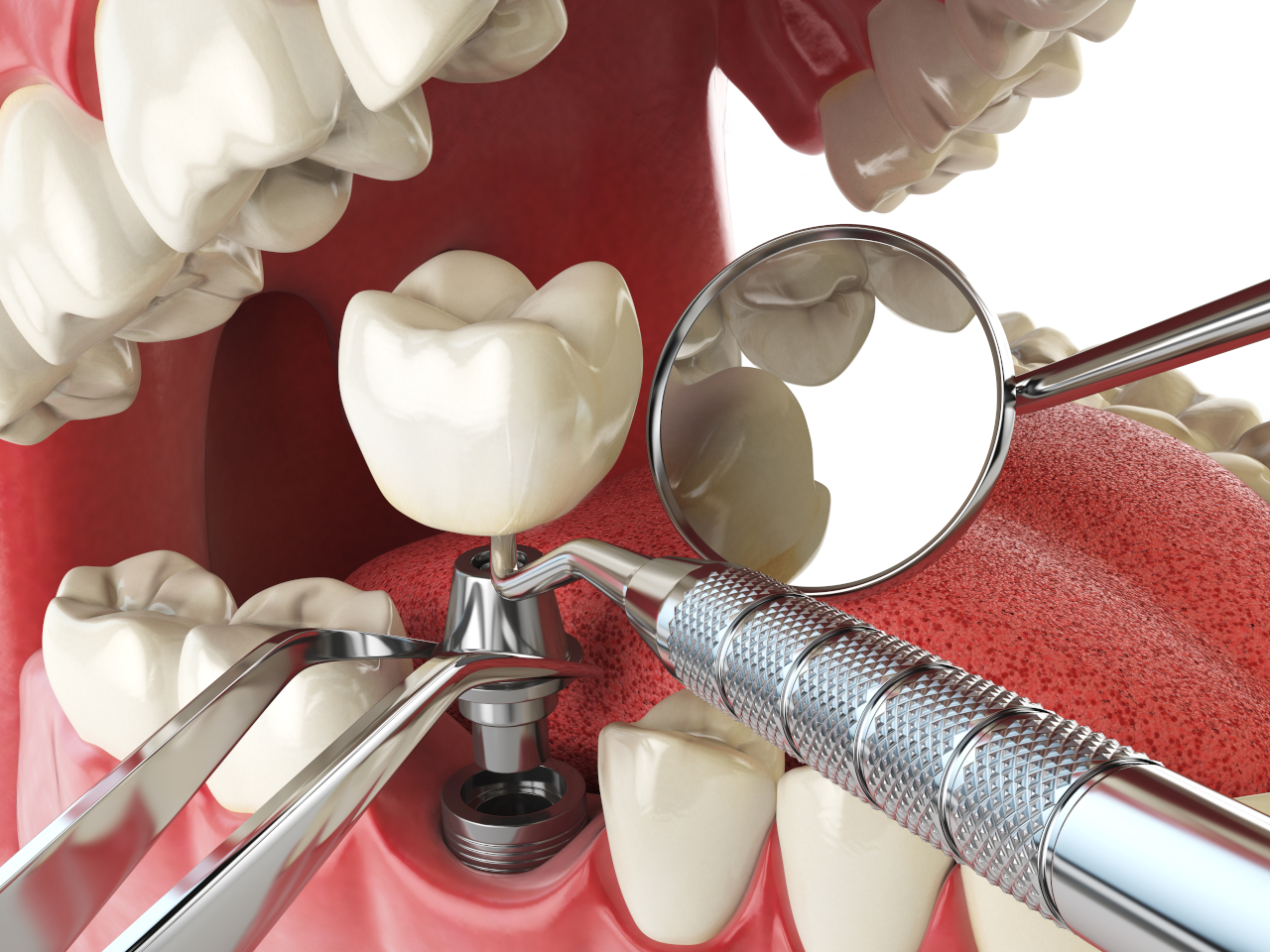
Dental crowns, sometimes called caps, fully cover the entire tooth. They restore both appearance and strength, making them suitable for teeth that are damaged or weakened. Crowns are usually made from porcelain, ceramic, metal, or a combination of materials.
Crowns are typically recommended for:
- Teeth with large cavities
- Cracked or broken teeth
- Teeth after root canal treatment
- Severe wear or structural damage
Unlike veneers, crowns provide full coverage, which means they protect the tooth from further damage. Therefore, crowns are often the better option when function and durability are top priorities.
Veneers vs Crowns: Key Differences Explained
When comparing Veneers vs Crowns, several important factors come into play. Each option offers unique benefits, but the right choice depends on your specific dental condition.
Tooth Coverage and Structure
Veneers only cover the front surface of the tooth. Because of this, they preserve more of the natural tooth structure. Crowns, on the other hand, surround the entire tooth, offering full protection. Consequently, crowns are stronger and better suited for damaged teeth.
Level of Tooth Preparation
Veneers require minimal reshaping of the tooth. In contrast, crowns require more tooth reduction to allow proper placement. Therefore, patients with healthy teeth often lean toward veneers when possible.
Strength and Durability
Crowns are designed to withstand strong biting forces. For that reason, they are ideal for molars or teeth that experience heavy use. Veneers, while durable, are thinner and better suited for front teeth with lower bite pressure.
Cosmetic Results
Both options in Cosmetic Dentistry deliver natural-looking results. However, veneers are often chosen for cosmetic perfection because they are crafted to enhance symmetry and brightness. Still, modern crowns can also match natural teeth seamlessly.
When Veneers Are the Right Choice
Veneers are best for patients who want to enhance their smile without major structural concerns. If your teeth are healthy but have cosmetic flaws, veneers may be the ideal solution. Additionally, veneers work well for people who want uniformity in shape and color.
Because veneers are less invasive, recovery is typically quicker. As a result, patients often return to daily routines shortly after treatment. However, proper care is still essential to maintain long-term results, if you want to know about Dental Veneers vs. Bonding: Which Option Is Right for You?.
When Crowns Are the Better Option
Crowns are recommended when a tooth needs protection as well as cosmetic improvement. If a tooth is cracked, decayed, or weakened, a crown helps restore strength. Therefore, crowns are often used in restorative cases rather than purely cosmetic ones.
Crowns also provide peace of mind for patients who grind their teeth or apply strong bite pressure. Since they offer full coverage, crowns reduce the risk of further damage over time.
Cost Comparison Between Veneers and Crowns
The cost difference between veneers and crowns depends on materials, complexity, and location. Veneers may cost less per tooth in some cases, but multiple veneers can increase total expenses. Crowns may cost more individually, yet they often address both cosmetic and functional needs.
Because dental insurance may cover crowns in restorative situations, some patients find crowns more affordable overall. Therefore, discussing coverage and treatment goals with your dentist is always recommended.
Longevity and Maintenance

Both veneers and crowns can last many years with proper care. Good oral hygiene, regular dental visits, and avoiding harmful habits support longevity. However, crowns typically last longer because of their strength and full coverage.
That said, veneers maintain their appearance exceptionally well when cared for correctly. As a result, many patients enjoy long-lasting cosmetic benefits without frequent replacements.
Making the Right Choice for Your Smile
Choosing between veneers and crowns should never be rushed. Every smile is different, and treatment should align with both health and aesthetic goals. A dental evaluation helps determine which option provides the best balance of appearance, durability, and comfort.
At Dedicated Smiles, patient education comes first. Understanding Veneers vs Crowns allows you to feel confident in your decision while focusing on long-term oral health.
Why a Professional Dental Evaluation Matters
Although online information is helpful, only a dental exam can reveal the true condition of your teeth. X-rays, bite analysis, and visual assessment guide proper treatment planning. Therefore, professional guidance ensures the most suitable option for your needs.
Cosmetic dentistry works best when treatments are customized. With expert evaluation, results look natural and function comfortably for years.
Final Thoughts on Veneers vs Crowns
Both veneers and crowns offer reliable solutions for improving smiles. While veneers focus on cosmetic enhancement, crowns provide both beauty and strength. Understanding these differences helps you make an informed decision that supports your oral health.
If you are considering cosmetic dental treatment, learning about Veneers vs Crowns is a smart first step. With expert guidance and thoughtful planning, the right option can transform your smile while protecting your teeth.
Patients ready to explore cosmetic dental solutions often begin with a personalized consultation to review goals, treatment options, and next steps—making it easy to move forward with confidence.