If you are missing a tooth, you may have heard that dental implants are one of the most stable ways to replace it. However, knowing that implants are available and knowing whether they are right for you are two different things. Dental implant treatment depends on the condition of your mouth, jawbone, gums, overall health, and long-term restorative goals.
Dedicated Smiles provides dental implants in Woodbridge, VA for patients seeking solutions for one or more missing teeth. Dental implants can support individual crowns, bridges, and other tooth replacement options. However, every implant treatment plan begins by determining whether the mouth can provide a healthy and stable foundation for treatment.
What Is a Dental Implant?
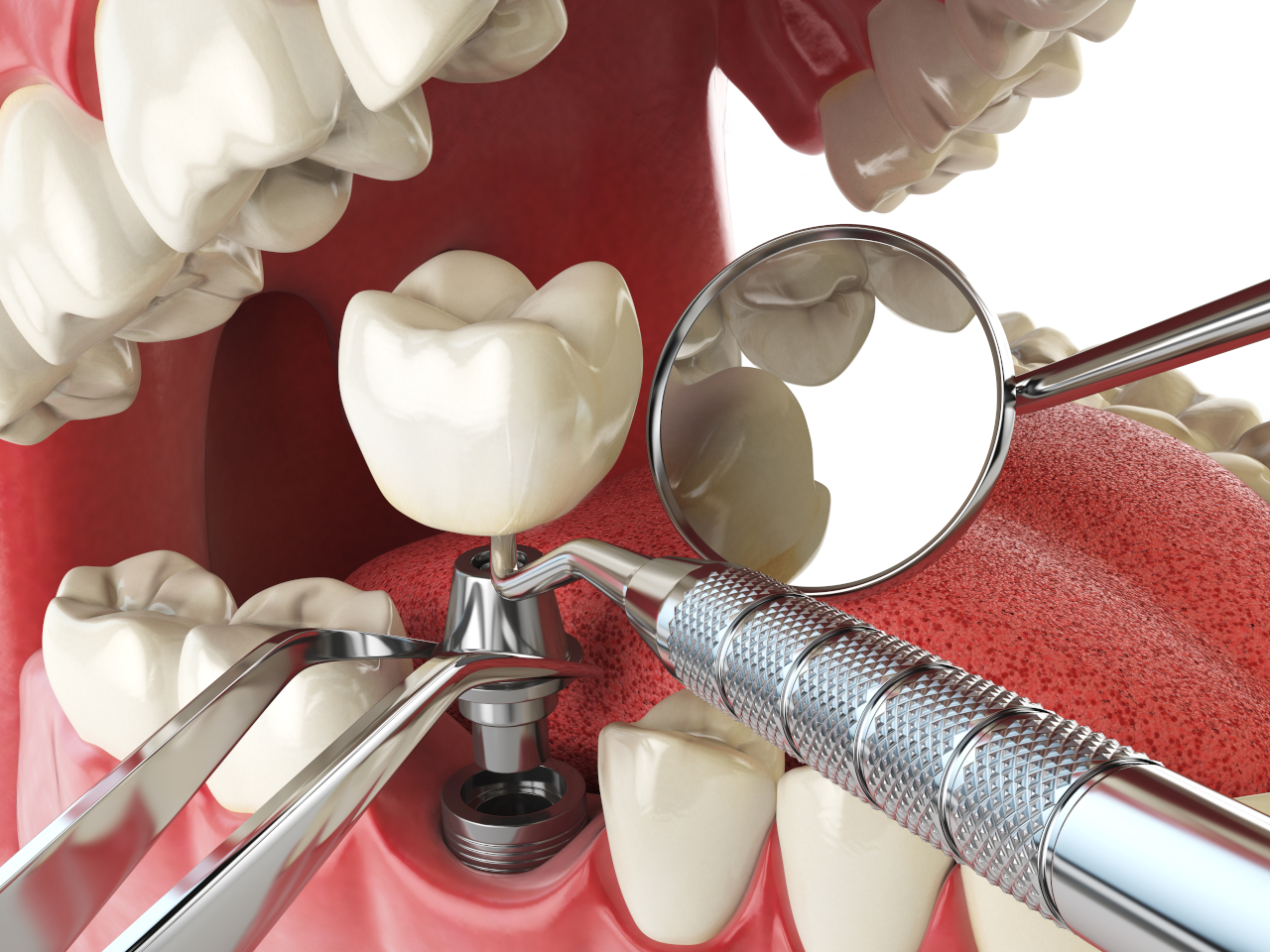
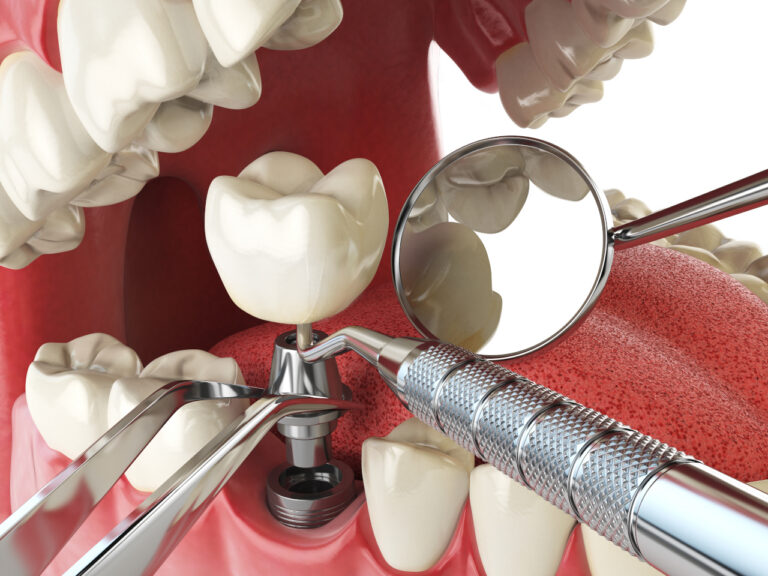
A dental implant is a small post placed within the jawbone to replace the root portion of a missing tooth. After the implant has healed and integrated with the surrounding bone, it can support a dental restoration above the gumline.
For a single missing tooth, that restoration may be a crown. Several missing teeth may sometimes be replaced with an implant-supported bridge. Meanwhile, patients missing many or all teeth may have other implant-supported restorative options.
Because an implant depends on support from the jawbone and surrounding gum tissue, treatment planning involves much more than simply measuring the visible space left by a missing tooth.
Who Can Be a Candidate for Dental Implants?
Many adults with missing teeth may be candidates for dental implants. However, suitability is determined individually.
Your dentist evaluates the number and location of missing teeth, available bone, gum health, existing dental conditions, medical history, medications, habits such as tobacco use, and your ability to maintain the implant after treatment.
The presence of one challenge does not always eliminate implant treatment completely. For example, inadequate bone may sometimes be addressed with bone grafting. Active gum disease may be treated before implant placement.
Therefore, the purpose of the implant consultation is to identify potential concerns and develop a sequence of treatment that creates healthier conditions for long-term success.
8 Factors That Influence Dental Implant Candidacy
1. The Condition of Your Jawbone
Dental implants rely on the jawbone for support. Therefore, the implant site needs adequate bone volume and quality for appropriate placement.
After a tooth has been missing for an extended period, the surrounding bone can gradually change because it no longer receives stimulation from a natural tooth root. Gum disease, infection, trauma, and difficult extractions can also affect bone.
Dental imaging allows your dentist to evaluate the available bone beneath the gums. If there is not enough support, bone grafting may sometimes be considered before or during implant treatment.
2. Your Gum Health
Healthy gums are an important part of implant treatment. Active periodontal disease can damage the tissues and bone that support both natural teeth and dental implants.
If gum disease is present, your dentist may recommend treating it before implant placement. This can include improving home care, professional periodontal treatment, or ongoing maintenance depending on the severity of the condition.
Implant treatment does not eliminate the need to care for the gums. In fact, keeping tissues around an implant clean is an important part of protecting the restoration long term.
3. Your Overall Health
Dental implant treatment involves surgery and healing. Therefore, your dentist will review your medical history and any health conditions that could affect recovery.
Having a medical condition does not automatically prevent implant treatment. However, certain conditions may require closer coordination with your physician or modifications to the treatment plan.
Be prepared to discuss your complete health history rather than assuming a condition is unrelated to dentistry. This includes medications, previous surgeries, allergies, and any health changes since your last dental appointment.
4. Tobacco and Nicotine Use
Smoking and other forms of nicotine use can interfere with oral healing and may increase the risk of complications around dental implants.
If you smoke, vape, or use other nicotine products, tell your dentist honestly. The purpose is not to judge your habits. Instead, your dental team needs accurate information to evaluate risk and give you appropriate guidance.
Reducing or stopping tobacco and nicotine use can support oral and general health, particularly when surgical treatment is being considered.
5. The Location of the Missing Tooth
Not every area of the jaw has the same anatomy. Bone width, bone height, nearby teeth, sinus spaces, nerves, and other structures can influence implant placement.
A front tooth replacement has different cosmetic and functional considerations from an implant in the back of the mouth. Likewise, a single missing tooth requires a different restorative plan from several missing teeth.
Therefore, implant candidacy is not simply a yes-or-no decision for the entire mouth. Each proposed implant site is evaluated individually as part of the larger treatment plan.
6. Your Bite and Grinding Habits
Dental implants and their restorations must tolerate forces produced during chewing. Patients who grind or clench heavily can generate additional pressure on natural teeth and dental restorations.
This does not necessarily mean someone who grinds cannot receive implants. However, bite forces need to be considered during planning, and protective strategies may be recommended.
The design and position of the restoration are also important because implant treatment should work within the way your upper and lower teeth meet.
7. Your Commitment to Daily Oral Hygiene
A dental implant cannot develop a cavity, but that does not make it maintenance-free. Plaque and bacteria can still collect around the gum tissue surrounding an implant.
Therefore, candidates should be willing to brush thoroughly, clean between teeth and around implant restorations, and attend recommended professional maintenance visits.
Patients with larger implant-supported restorations may need specialized tools to clean underneath or around them. Your dental team can explain the appropriate techniques for your restoration.
8. Your Restorative Goals
Finally, your dentist needs to understand what you actually want to accomplish. Are you replacing one missing tooth? Several teeth? Are you struggling with a removable denture? Are several remaining teeth severely damaged?
Dental implants are not one single treatment. They can be incorporated into different restorative designs depending on the clinical situation.
For example, an individual implant may support a crown, while a small number of strategically positioned implants may support a larger bridge or full-arch restoration.
Understanding your goals allows the treatment team to evaluate whether implants are the most appropriate solution or whether another tooth replacement option may fit your needs better.
Benefits of Dental Implants
When dental implants are appropriate for a patient’s condition, they can offer several advantages as part of a carefully planned tooth replacement strategy.
- Stable tooth replacement: Implants gain support from the jawbone rather than relying only on the gums.
- Replacement of missing tooth roots: An implant occupies the area where a natural tooth root was previously located.
- Support for several restoration types: Implants can support crowns, bridges, overdentures, and selected full-arch restorations.
- Independent single-tooth replacement: In many cases, an implant can replace a missing tooth without requiring crowns on healthy neighboring teeth.
- Improved chewing support: Implant-supported restorations can provide a stable surface for chewing.
- Natural-looking restorative options: The visible restoration can be designed to coordinate with surrounding teeth and the patient’s smile.
- Versatility: Implant treatment can be adapted for one missing tooth, several missing teeth, or more extensive tooth loss.
- Long-term treatment potential: With appropriate care and maintenance, dental implants are designed to function as a durable tooth replacement foundation.
Can You Get Dental Implants If You Have Bone Loss?
Bone loss does not automatically eliminate implant treatment. However, the amount and location of remaining bone need to be evaluated carefully.
Some patients may have enough bone in the planned implant area without additional procedures. Others may benefit from bone grafting to rebuild a deficient site.
The extent of grafting can vary significantly. A small area requiring additional width is different from more extensive bone loss after years of missing teeth.
Therefore, the only reliable way to know whether bone grafting is needed is through examination and appropriate dental imaging.
Can You Get Implants If You Have Gum Disease?
Active gum disease usually needs to be addressed before dental implants are placed. Periodontal disease involves inflammation and infection of the tissues that support the teeth, and advanced disease can damage the jawbone.
The good news is that having a history of gum disease does not automatically mean implants are impossible. However, controlling periodontal disease and maintaining healthy tissues becomes especially important.
Patients with a history of periodontal disease may also require more frequent professional maintenance after implant treatment.
Is There an Age Limit for Dental Implants?
For adults, there is generally no simple upper age limit that determines implant candidacy. A healthy older adult may sometimes be a better candidate than a much younger person with uncontrolled oral disease or other significant risk factors.
Instead, the dentist considers health, healing capacity, anatomy, medications, oral hygiene, and the overall treatment plan.
For younger patients, dental and skeletal development are important because implant placement generally needs to wait until appropriate growth is complete.
What If You Have Been Missing a Tooth for Years?
You may still be able to consider dental implants even if the tooth has been missing for a long time. However, more time without a tooth can allow additional changes in the jawbone and neighboring teeth.
Teeth beside the opening may tilt or drift, while an opposing tooth can move into the space. Meanwhile, the bone where the tooth root once existed may become narrower.
These changes do not automatically rule out treatment, but they may affect the restorative plan. Therefore, patients who have lived with missing teeth for years should not assume it is too late to ask about implants.
What Happens at a Dental Implant Consultation?
Your dentist begins by evaluating your teeth, gums, bite, missing tooth areas, and overall oral health. Imaging may be used to study the jawbone and nearby anatomical structures.
You will also review your health history, medications, previous dental treatment, and personal goals. If another condition needs treatment first, the dentist can explain why and how it fits into the overall sequence.
For example, the plan may involve treating gum disease, removing an unsalvageable tooth, completing bone grafting, allowing healing, and then placing an implant.
Other patients may be able to proceed through a simpler sequence. The process is personalized because implant dentistry depends heavily on the conditions present in each individual mouth.
How Long Does Dental Implant Treatment Take?
Dental implant treatment usually occurs in stages. The overall timeline depends on whether teeth need to be removed, whether grafting is required, how the implant heals, and what type of final restoration is being created.
After implant placement, time is typically allowed for the bone to heal around the implant. Once appropriate healing has occurred, the restorative phase can move forward.
Trying to rush healing is not necessarily beneficial. The goal is to create a stable foundation before placing the implant under normal functional demands.
Can Dental Implants Fail?
No dental treatment can be guaranteed in every patient. Dental implants can experience complications, which is why careful planning and maintenance matter.
Factors such as smoking, uncontrolled gum disease, poor oral hygiene, excessive bite forces, certain health conditions, and insufficient healing can influence outcomes.
Following post-treatment instructions, maintaining professional care, and reporting problems early can help protect the implant and surrounding tissues.
How Do You Care for Dental Implants?
Daily care depends partly on the restoration attached to the implant. A single implant crown can often be cleaned similarly to a natural tooth, although attention around the gumline remains important.
Implant bridges and larger restorations may require floss threaders, interdental brushes, water flossers, or other cleaning tools to reach areas underneath the restoration.
Routine dental visits allow the implant, surrounding gum tissue, bite, and restoration to be monitored. Therefore, receiving an implant does not mean routine dental care is no longer necessary.
Find Out Whether Dental Implants Fit Your Needs
The best dental implant candidate is not defined by age or by how long a tooth has been missing. Instead, candidacy depends on the health of the gums, available jawbone, medical factors, oral hygiene, bite, and the type of restoration needed. Even when additional treatment is required first, there may still be a pathway toward implant-supported tooth replacement.
If you are considering dental implants in Woodbridge, VA, visit Dedicated Smiles at 2970 Prince William Pkwy, Woodbridge, VA 22192. Call Us Today at (703) 583-7720 or contact Dedicated Smiles to book an appointment and learn whether dental implants may be right for you.