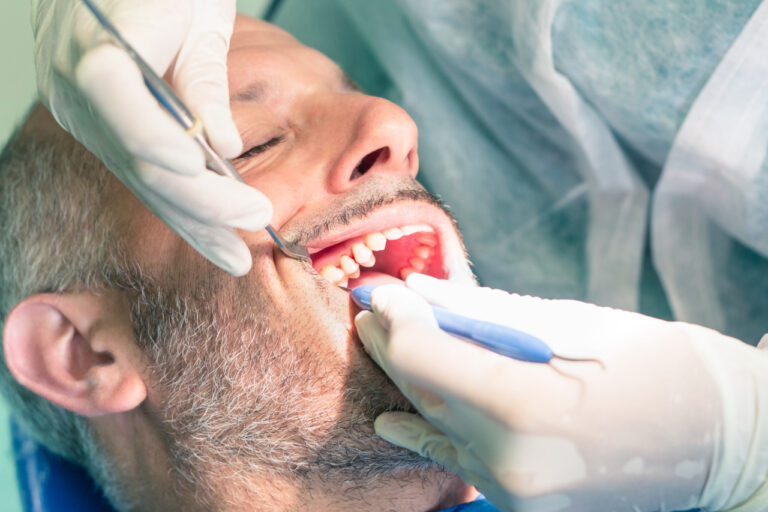
A loose permanent tooth can be alarming, particularly when there has been no recent injury. While several conditions can affect tooth stability, gum disease is one important possibility. Advanced periodontal disease can gradually damage the gum tissue and bone that hold teeth securely in place, sometimes allowing teeth to shift or become loose.
Dedicated Smiles provides periodontal disease therapy in Woodbridge, VA to help patients manage gum disease and protect the tissues supporting their teeth. Early treatment is especially important because periodontal disease can progress quietly, and significant damage may develop before a patient experiences severe discomfort.
What Is Periodontal Disease?
Periodontal disease, commonly called gum disease, is an inflammatory condition affecting the tissues around the teeth. It usually begins when plaque accumulates around the gumline.
Plaque contains bacteria, and when it is not effectively removed, the gums can become irritated and inflamed. Early gum disease is commonly known as gingivitis.
At this stage, patients may notice red, swollen, or bleeding gums. However, the deeper supporting structures around the teeth have not necessarily experienced the same level of damage associated with advanced periodontal disease.
When gum disease progresses to periodontitis, infection and inflammation can affect the supporting tissues and jawbone. Over time, this loss of support may cause teeth to shift or loosen.
How Does Gum Disease Make Teeth Loose?
Each tooth is supported by more than the visible gums. Beneath the gumline, roots are surrounded by bone and specialized tissues that help hold the tooth in place.
Advanced periodontal disease can create deeper spaces between the gums and teeth, often called periodontal pockets. These areas can harbor bacteria and become increasingly difficult to clean with ordinary brushing and flossing alone.
As the disease progresses, the bone supporting the tooth can gradually deteriorate. The tooth may then have less structural support than it once had.
At first, the movement may be subtle. Eventually, however, a patient may notice that the tooth feels different when chewing, appears to have shifted, or moves when pressure is applied.
Therefore, a loose adult tooth should not be treated as a normal part of aging. It deserves professional evaluation.
What Are the Early Signs of Gum Disease?
One of the challenges with periodontal disease is that early symptoms can be easy to dismiss.
Common warning signs may include:
- Bleeding while brushing or flossing
- Red or swollen gums
- Tender gum tissue
- Persistent bad breath
- A recurring unpleasant taste
- Gums that appear to be pulling away from the teeth
- Teeth that appear longer than before
- Increasing spaces between teeth
- Changes in the way the teeth fit together
- Loose or shifting permanent teeth
Importantly, gum disease does not always cause significant pain. Therefore, waiting for discomfort can allow the condition to progress without treatment.
Is Bleeding When Brushing Normal?
Healthy gums generally should not bleed regularly during gentle brushing and flossing. Occasional irritation can happen, but repeated bleeding is worth discussing with your dentist.
Some people respond to bleeding by avoiding the area during brushing. Unfortunately, this can allow even more plaque to remain around the gumline.
Instead, bleeding should be treated as information. It may indicate inflammation that requires improved home care, professional cleaning, periodontal treatment, or another type of evaluation.
What Is the Difference Between Gingivitis and Periodontitis?
Gingivitis is the earlier stage of gum disease and primarily involves inflammation of the gums. Common symptoms include redness, swelling, tenderness, and bleeding.
With appropriate professional care and improved plaque control, gingivitis can often be managed before deeper supporting structures become damaged.
Periodontitis is more advanced. At this stage, the disease affects structures that support the teeth, including bone.
This distinction is important because bone that has already been lost does not simply return to its previous condition after routine brushing. Advanced periodontal disease requires professional management and ongoing maintenance.
Benefits of Periodontal Disease Therapy
Periodontal disease therapy is designed to control infection and inflammation, improve gum health, and protect the structures supporting the teeth. Depending on the severity of the condition, benefits may include:
- Removal of harmful buildup: Professional periodontal treatment can remove plaque and hardened tartar from areas that cannot be effectively cleaned at home.
- Reduced gum inflammation: Treating bacterial buildup can help swollen and irritated gum tissues improve.
- Slower disease progression: Managing periodontal infection can help limit additional destruction of supporting tissues.
- Protection for natural teeth: Preserving healthy gum and bone support can help teeth remain stable for as long as possible.
- Improved breath: Reducing bacterial buildup associated with periodontal disease may improve persistent bad breath.
- Healthier gum tissue: Professional therapy combined with effective home care supports a healthier environment around the teeth.
- Customized maintenance: Patients with periodontal disease can receive a follow-up schedule based on their individual level of risk.
- Earlier identification of changes: Ongoing periodontal monitoring can identify new areas of inflammation, pocket changes, or tooth mobility before they become more advanced.
How Is Gum Disease Diagnosed?
A periodontal evaluation looks beyond whether the gums simply appear pink or red. Your dental team evaluates several indicators of gum and supporting tissue health.
Measurements may be taken around the teeth to determine the depth of spaces between the gums and tooth surfaces. Bleeding, recession, plaque, tartar, and tooth mobility may also be evaluated.
Dental X-rays can provide information about the level of bone supporting the teeth. Together, these findings help determine whether gum disease is present and how advanced it may be.
The treatment plan is then based on the severity and location of the disease rather than using the same approach for every patient.
What Is Scaling and Root Planing?
Scaling and root planing is a common non-surgical treatment for periodontal disease. It provides deeper cleaning below the gumline than a routine preventive cleaning.
Scaling removes plaque and hardened tartar from tooth surfaces, including areas beneath the gums. Root planing focuses on cleaning and smoothing contaminated root surfaces.
Dedicated Smiles provides scaling and root planing as one option for managing periodontal disease when deeper bacterial deposits need to be addressed.
Treatment may be divided into different areas of the mouth depending on the extent of the disease and the patient’s comfort needs.
Will Scaling and Root Planing Tighten Loose Teeth?
The answer depends on why the tooth is loose and how much supporting tissue has already been lost.
Reducing inflammation and infection can improve the health of the tissues surrounding teeth. In some situations, a tooth may feel more stable after inflammation decreases.
However, significant bone loss cannot simply be reversed by cleaning alone. Therefore, severely mobile teeth need individualized evaluation.
The primary goal of periodontal treatment is to control disease and preserve remaining support. Your dentist can explain the prognosis of individual teeth and whether additional treatment may be appropriate.
Can a Loose Tooth From Gum Disease Be Saved?
Some loose teeth can remain functional after periodontal treatment, while others may have lost too much support to be predictably preserved.
Several factors influence the prognosis, including the amount of remaining bone, degree of mobility, location of the tooth, bite forces, infection, root anatomy, and the patient’s ability to control plaque.
This is why early treatment matters. A tooth with mild support loss may have more options than one that has been mobile for a long time after extensive bone destruction.
If a tooth cannot be saved, your dentist can discuss extraction and possible replacement options. However, removal is not automatically required simply because some mobility is present.
Why Does Gum Disease Cause Bad Breath?
Persistent bad breath can have many causes, including dry mouth, certain foods, medical conditions, tongue bacteria, and dental problems.
Periodontal disease can also contribute because bacteria and debris may collect within deeper spaces around the teeth.
Mouthwash may temporarily mask odor, but it cannot remove hardened tartar beneath the gums. Therefore, recurring bad breath associated with gum inflammation should be professionally evaluated rather than repeatedly covered with mints or rinses.
Can Receding Gums Grow Back?
Gum recession exposes more of the tooth or root surface and can make teeth appear longer. Recession can occur for several reasons, including periodontal disease, aggressive brushing, tooth position, and other factors.
Once gum tissue has significantly receded, simply brushing better does not necessarily cause it to grow back to its original position.
However, treating the cause can help protect the remaining tissues and reduce the risk of additional progression. Certain patients may also have options for periodontal procedures designed to address selected areas of recession.
What Happens After Gum Disease Treatment?
Periodontal treatment does not end when the initial deep cleaning or other procedure is completed. Gum disease often requires ongoing maintenance.
Your dental team may recommend periodontal maintenance visits at intervals based on your needs. These appointments allow areas below and around the gumline to be monitored and cleaned more closely.
Meanwhile, home care remains essential. Brushing twice each day and cleaning between the teeth helps reduce new plaque accumulation between professional visits.
Your dental team may recommend floss, interdental brushes, water flossers, or other tools depending on the spaces between your teeth and the condition of your gums.
Can Gum Disease Come Back?
Periodontal disease can become active again when bacterial buildup and inflammation are not adequately controlled. Therefore, successful treatment requires an ongoing partnership between professional care and daily home hygiene.
Skipping maintenance appointments for long periods can allow deeper areas to accumulate new deposits without being closely monitored.
Likewise, changes in health, medications, smoking habits, oral hygiene, or other factors can influence gum health over time.
Regular monitoring allows the dental team to recognize changes and adjust the maintenance plan when necessary.
How Can You Protect Your Gums at Home?
Begin with consistent plaque removal. Brush thoroughly twice each day using a soft-bristled toothbrush and clean between your teeth daily.
However, technique matters as much as frequency. Aggressive scrubbing does not compensate for missed areas and may irritate the gums.
Follow the cleaning methods recommended by your dental team, particularly if you have deeper spaces, bridges, implants, or crowded teeth that make plaque removal more challenging.
In addition, avoid tobacco products because they can have serious effects on gum health and healing.
Finally, keep your recommended periodontal maintenance appointments even when your gums feel comfortable. Gum disease can progress without significant pain.
When Should You Have Loose Teeth Evaluated?
Any unexplained looseness in a permanent tooth deserves evaluation. This is especially important when mobility occurs along with bleeding gums, recession, swelling, persistent bad breath, or changes in your bite.
However, gum disease is not the only possible cause. Trauma, grinding, infection, and other dental problems can also affect tooth stability.
Therefore, avoid repeatedly pushing or testing a loose tooth. Schedule an examination so the cause can be identified and the remaining support evaluated.
Protect the Foundation of Your Smile
Healthy teeth depend on healthy supporting tissues. Gum disease can gradually damage those tissues and, in advanced cases, contribute to loose or shifting teeth. The earlier periodontal disease is identified and managed, the more opportunity there is to protect the gums, preserve remaining bone support, and maintain natural teeth.
If you have bleeding gums, gum recession, persistent bad breath, or loose teeth and are looking for periodontal disease therapy in Woodbridge, VA, visit Dedicated Smiles at 2970 Prince William Pkwy, Woodbridge, VA 22192. Call Us Today at (703) 583-7720 or contact Dedicated Smiles to book an appointment and take the next step toward healthier gums.