
A confident smile can change the way you feel and how others perceive you. If you’re thinking about improving your teeth’s appearance, two of the most popular cosmetic treatments are Dental Veneers vs. Bonding. Both can enhance your smile, but they differ in process, cost, durability, and results. Understanding these differences will help you make the best decision for your dental needs.
Understanding the Basics of Dental Veneers vs. Bonding
Before choosing between Dental Veneers vs. Bonding, it’s essential to know what each treatment involves.
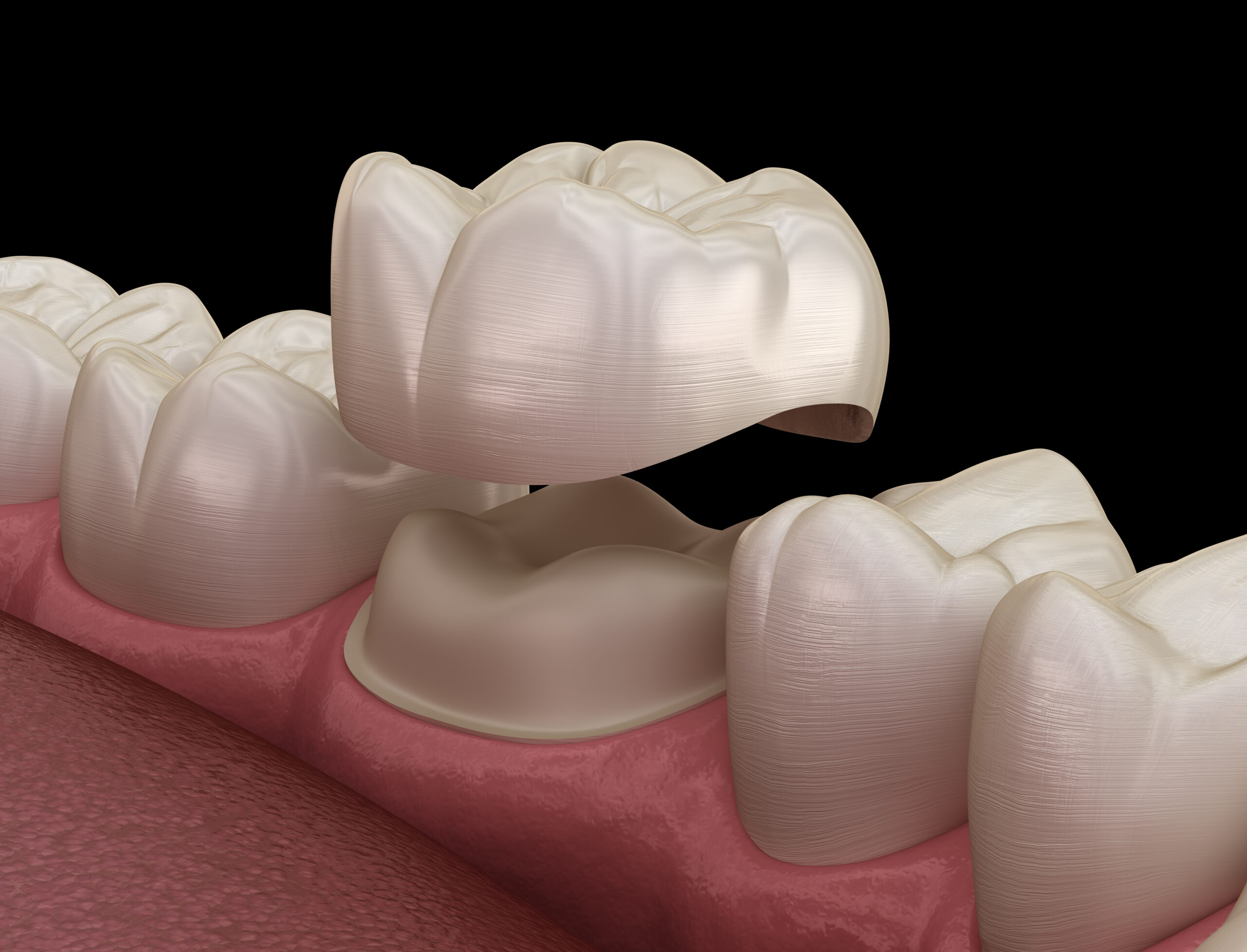
Dental veneers are thin shells made of porcelain or composite resin that cover the front surface of your teeth. They’re designed to improve color, shape, and overall aesthetics.
On the other hand, dental bonding involves applying a tooth-colored resin directly onto the tooth and shaping it to correct imperfections. It’s a quicker and less invasive procedure, often completed in a single visit.
Both treatments can correct:
- Chipped or cracked teeth
- Discoloration or stains
- Gaps between teeth
- Uneven tooth length
- Minor misalignments
While veneers offer a more permanent transformation, bonding provides a fast and affordable alternative.
How Dental Veneers Work
Dental veneers require precision and planning. The process usually involves two visits. During the first appointment, a small amount of enamel is removed to make space for the veneer. Your dentist then takes an impression or digital scan of your teeth to design a perfectly fitted veneer.
At your second visit, the veneer is bonded to your tooth using a special adhesive and light-cured to ensure durability. Porcelain veneers are especially popular because they resist stains and mimic the natural translucency of enamel.
At Dedicated Smiles, our team ensures that each veneer matches your natural teeth for a seamless, bright, and balanced smile.
How Dental Bonding Works

Dental bonding is often completed in one visit, making it ideal for those who want instant results. Your dentist will first roughen the tooth surface slightly and apply a conditioning liquid to help the resin adhere. Then, the composite material is shaped, hardened with a curing light, and polished to achieve a natural finish.
Bonding doesn’t require removing enamel, which means it’s reversible and minimally invasive. However, the material may stain over time, and the results typically last between 5 to 7 years, depending on your oral care routine.
Other Tips-: How to Care for Porcelain Veneers: Expert Aftercare Tips
Comparing Dental Veneers vs. Bonding: Key Differences
Understanding how Dental Veneers vs. Bonding differ can help you choose the right treatment for your smile goals.
Here’s a breakdown of the main differences:
| Feature | Dental Veneers | Dental Bonding |
| Material | Porcelain or composite | Composite resin |
| Durability | 10–15 years | 5–7 years |
| Stain Resistance | High (especially porcelain) | Moderate |
| Cost | Higher per tooth | More affordable |
| Procedure Time | 2 visits | 1 visit |
| Aesthetic Quality | Highly natural and long-lasting | Good but may discolor |
| Reversibility | Permanent | Reversible |
As you can see, veneers are more durable and resistant to discoloration, while bonding offers a cost-effective and quick cosmetic fix.
When to Choose Dental Veneers
You might want to choose veneers if:
- You want a long-term cosmetic solution.
- Your teeth are significantly stained or uneven.
- You’re seeking a flawless, bright smile.
- You’re okay with a small amount of enamel removal.
Veneers can last over a decade with proper care. They’re a worthwhile investment if you’re aiming for lasting perfection and minimal maintenance.
When to Choose Dental Bonding
Bonding is an excellent choice for:
- Minor chips or cracks.
- Small gaps between teeth.
- Patients who prefer a budget-friendly solution.
- Those looking for immediate results.
Bonding requires less preparation and preserves your natural enamel, making it ideal for those who want to improve their smile quickly without permanent alteration.
Durability and Maintenance
One of the biggest factors in choosing Dental Veneers vs. Bonding is how long the results last. Porcelain veneers are incredibly durable and can withstand daily wear for many years. Composite veneers and bonding materials are more prone to chipping or staining, but they can be easily repaired or replaced.
Maintenance for both treatments includes:
- Regular brushing and flossing
- Avoiding hard foods and nail-biting
- Using non-abrasive toothpaste
- Visiting your dentist for checkups and cleanings
Proper oral hygiene and professional care can extend the life of either option.
Cost Comparison: Veneers vs. Bonding
Cost often plays a big role in deciding between Dental Veneers vs. Bonding. Veneers are typically more expensive due to the materials used and the lab work involved. The price per veneer can vary depending on your dentist and the type of material, but the results are more long-lasting.
Bonding, by contrast, is more affordable and can be done on multiple teeth in one visit. While it might require touch-ups over time, it’s a great option for patients who want to enhance their smile without a large investment.
At Dedicated Smiles, we provide transparent treatment plans and discuss all available options to ensure you’re comfortable with your choice and budget.
Aesthetic Results: Which Looks More Natural?

Porcelain veneers are known for their natural translucency and shine, closely mimicking real tooth enamel. They are custom-crafted to match your face shape and desired look. Bonding also produces excellent results but may not have the same level of depth and light reflection.
If achieving a long-lasting, natural appearance is your main goal, veneers typically deliver superior aesthetics.
Procedure Time: How Long Does Each Take?
Bonding can be completed in just one visit—usually within 30 to 60 minutes per tooth. Veneers, however, take two or more appointments since they are custom-made in a dental lab.
So, if you need a quick cosmetic fix for an event or an upcoming occasion, bonding might be the better short-term choice. But if you want a lasting transformation, veneers are well worth the wait.
Longevity and Replacement
Porcelain veneers can last between 10 and 15 years with proper maintenance, while bonding usually lasts 5 to 7 years. The difference mainly lies in material strength and resistance to daily wear.
If you grind your teeth or have a habit of chewing on hard items, veneers will withstand these pressures better. Bonding may need touch-ups, especially if exposed to staining foods or beverages like coffee and wine.
Pain, Comfort, and Sensitivity
Both treatments are comfortable and virtually painless. Bonding doesn’t require anesthesia since it involves minimal tooth preparation. Veneers might require slight enamel removal, leading to temporary sensitivity, but this usually fades within a few days.
Your dentist at Dedicated Smiles ensures that your experience remains as comfortable and stress-free as possible.
Dental Veneers vs. Bonding: Pros and Cons Summary
Dental Veneers Pros:
- Long-lasting and durable
- Stain-resistant surface
- Highly aesthetic and natural-looking
Dental Veneers Cons:
- Higher cost
- Requires enamel removal
- Irreversible process
Dental Bonding Pros:
- Quick and affordable
- Reversible and non-invasive
- Excellent for small cosmetic fixes
Dental Bonding Cons:
- Prone to staining
- Less durable
- May need more maintenance
Understanding these pros and cons can make it easier to decide which treatment aligns best with your needs.
Which Option Is Right for You?
When it comes to Dental Veneers vs. Bonding, the right choice depends on your goals, budget, and long-term expectations. If you want a dramatic, lasting smile improvement, veneers offer superior quality and durability. However, if you prefer a faster, less costly option for minor imperfections, bonding can deliver great results.
Your dentist at Dedicated Smiles can help evaluate your teeth and recommend a solution that best fits your smile vision.
Maintaining Your New Smile
No matter which option you choose, maintenance plays a crucial role in keeping your smile bright. Follow these tips:
- Brush twice daily with fluoride toothpaste
- Floss every day to prevent plaque buildup
- Limit staining foods and drinks
- Schedule routine cleanings at your dental office
Consistent oral care and professional checkups ensure your results last longer and your smile remains beautiful.
Choosing between Dental Veneers vs. Bonding doesn’t have to be confusing. Both treatments can enhance your smile’s appearance and boost your confidence, but each serves a slightly different purpose. Veneers offer a long-term, high-quality finish, while bonding provides a quick and affordable way to correct imperfections.
At Dedicated Smiles, we focus on helping patients achieve natural, lasting results. Whether you’re considering veneers, bonding, or another cosmetic procedure, our dental professionals are ready to guide you toward the right path for your smile.
Ready to Transform Your Smile?
Your perfect smile begins with a single step. Visit Our Clinic to explore whether Dental Veneers vs. Bonding is right for you.
Book your consultation or contact us today to get started.