
Porcelain Dental veneers are one of the most effective cosmetic dentistry solutions for achieving a flawless, natural-looking smile. They can correct chipped, stained, or uneven teeth, giving you confidence and a lasting aesthetic improvement. However, the longevity of your veneers depends heavily on proper care. Without the right routine, even high-quality veneers can become damaged, discolored, or loose over time.
In this guide, we share expert aftercare tips for porcelain veneers, including daily hygiene, dietary habits, lifestyle considerations, and preventive maintenance, to ensure your investment continues to shine for years.
Understanding Porcelain Dental Veneers
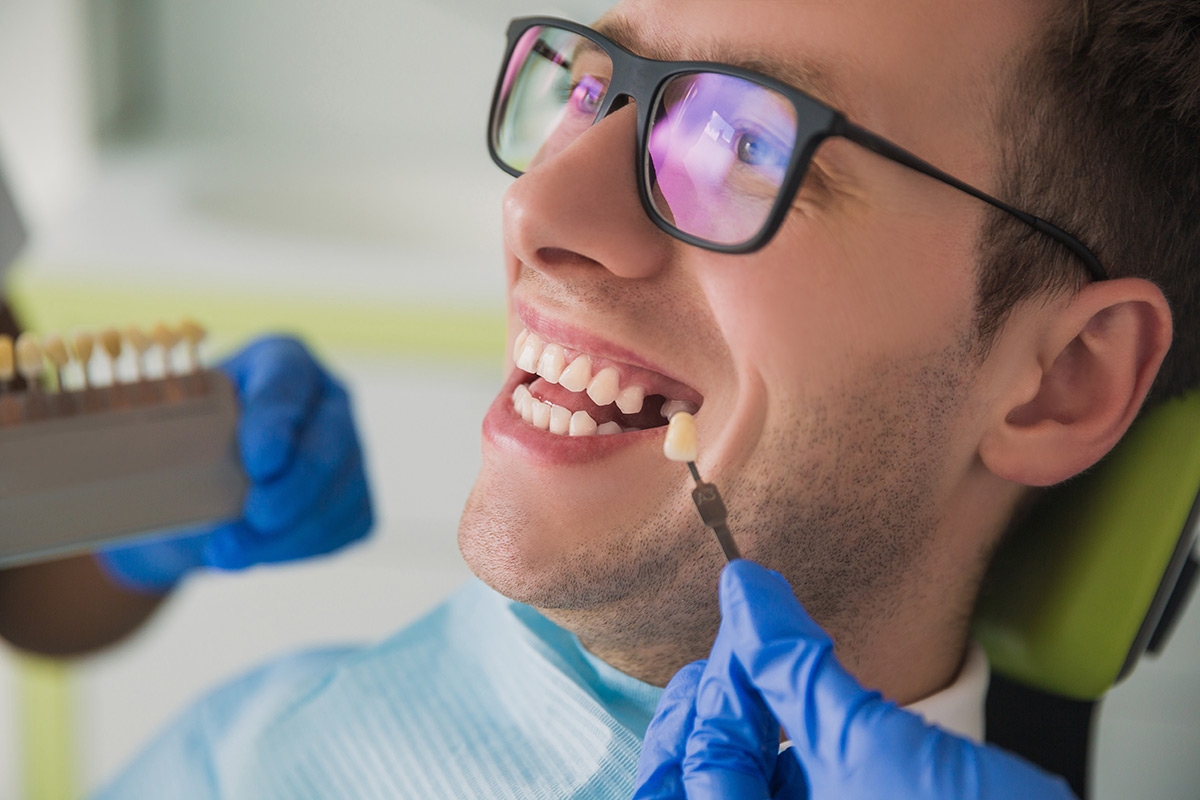
Porcelain veneers are ultra-thin shells made from durable dental ceramic, designed to cover the front surface of your teeth. They are custom-made to match the color, shape, and size of your natural teeth, allowing for a seamless, natural appearance. Unlike natural enamel, porcelain veneers cannot repair themselves, making it essential to take proactive steps to maintain their condition.
Porcelain veneers are resistant to staining and provide long-term benefits, but the supporting teeth and gums must remain healthy. Proper care not only protects your veneers but also maintains overall oral health.
Daily Oral Hygiene Practices
Maintaining a consistent oral hygiene routine is critical for protecting your veneers and natural teeth. Even though veneers are strong, they are attached to teeth that can develop decay or gum disease if neglected.
Key daily practices include:
- Brushing at least twice daily with a soft-bristled toothbrush
- Using non-abrasive toothpaste to avoid scratches on the porcelain
- Flossing once a day to remove plaque between teeth and along the gumline
- Rinsing with an alcohol-free mouthwash to reduce bacteria
Consistency is essential. Brushing and flossing regularly helps prevent gum inflammation and plaque buildup that could affect the adhesion of veneers over time.
Foods and Drinks to Approach with Caution
Although porcelain veneers are stain-resistant, certain foods and beverages can affect their longevity and appearance. Being mindful of what you consume helps maintain the veneers’ brightness.
Foods and drinks to limit include:
- Coffee, tea, and red wine
- Cola and other dark-colored soft drinks
- Citrus fruits and vinegar-based foods
- Sticky or hard candies and snacks
To further protect your veneers, try consuming staining beverages through a straw, and rinse your mouth with water afterward. Simple measures like this reduce the risk of discoloration and enamel erosion.
Also Read:- The Truth about Dental Implant Treatment Pain During Recovery
Habits That Can Damage Veneers
Certain habits, often unnoticed, can compromise the integrity of your veneers. Avoiding these behaviors preserves your investment.
Common habits to avoid:
- Biting fingernails or chewing on pens and pencils
- Using teeth to open packages or bottles
- Grinding or clenching teeth (especially during sleep)
- Chewing ice or very hard foods
If you have a tendency to grind your teeth, your dentist may recommend a custom night guard to protect both your veneers and natural teeth. Over time, breaking these habits can significantly extend the lifespan of your veneers.
Regular Dental Checkups

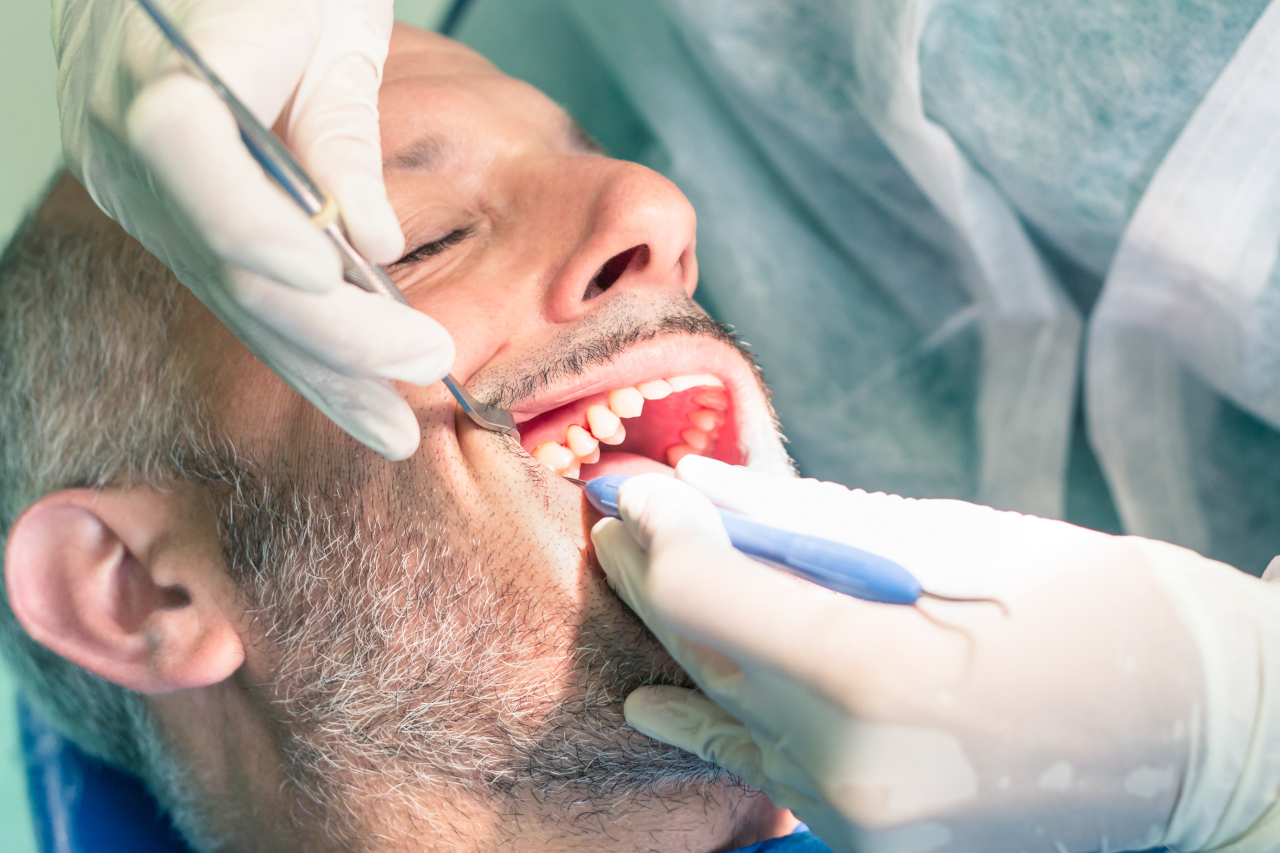
Routine dental visits are essential for monitoring the condition of porcelain veneers and overall oral health. Professional cleanings remove plaque and tartar that regular brushing might miss. Additionally, dentists can detect issues early, ensuring timely intervention.
During checkups, your dentist will:
- Examine the veneers for chips, cracks, or loosening
- Assess the health of gums and surrounding teeth
- Provide professional polishing to maintain the veneers’ shine
Scheduling appointments at least twice a year ensures that your veneers and teeth stay healthy while preserving a bright, natural smile.
Managing Sensitivity After Veneer Placement
Some patients notice temporary sensitivity to hot or cold foods after veneer placement. This sensitivity is typically mild and subsides within a few weeks.
Tips to manage sensitivity:
- Use toothpaste designed for sensitive teeth
- Avoid extreme temperatures in food and drinks initially
- Follow dentist-provided care instructions carefully
This adjustment period allows your teeth and gums to adapt, ensuring that you can enjoy a full range of foods without discomfort.
Choosing the Right Cleaning Tools
Proper dental tools play a vital role in maintaining porcelain dental veneers.
- Soft-bristled toothbrushes reduce the risk of scratches
- Non-abrasive toothpaste protects the porcelain surface
- Dental floss for delicate enamel helps clean between teeth
- Water flossers provide a gentle, effective cleaning option
Selecting the right tools not only preserves your veneers but also improves overall oral hygiene, keeping your smile healthy and polished.
Long-Term Maintenance Tips
Caring for porcelain dental veneers extends beyond daily cleaning. Long-term strategies help maintain their appearance and durability.
Key tips include:
- Wearing a mouthguard during sports or high-impact activities
- Avoiding prolonged exposure to staining agents
- Promptly addressing dental problems to prevent complications
- Maintaining a balanced diet to support overall oral health
Following these guidelines can help your veneers last 10–15 years or longer with minimal issues.
Lifestyle Considerations for Veneer Care
Certain lifestyle habits affect veneer longevity. Smoking, for example, can cause discoloration of both natural teeth and the edges of veneers. Similarly, excessive alcohol consumption and acidic diets may weaken tooth structure and gums.
Tips for a veneer-friendly lifestyle:
- Limit smoking and tobacco use
- Minimize alcohol intake to reduce enamel damage
- Maintain hydration and a balanced diet to support gum health
- Protect your teeth during sports and high-risk activities
By integrating these habits into your daily life, you enhance the lifespan and appearance of your veneers.
Travel and On-the-Go Veneer Care
Maintaining porcelain veneers while traveling requires a few extra precautions. Pack a dental kit containing:
- A soft-bristled toothbrush
- Travel-sized non-abrasive toothpaste
- Dental floss or floss picks
- Alcohol-free mouthwash
Rinsing after meals and avoiding sticky, hard, or staining foods while on the move ensures your veneers remain intact and beautiful.
Common Myths About Porcelain Dental Veneers
Many people have misconceptions about veneers, which can lead to improper care.
Common myths:
- Veneers never stain: While porcelain is resistant, improper care can lead to staining at the edges.
- They last forever: With proper care, veneers can last 10–15 years, but they may eventually need replacement.
- You don’t need regular dental visits: Skipping dental checkups can lead to gum disease or other issues that affect veneers.
Understanding these myths helps you take realistic expectations and maintain your veneers effectively.
Emergency Tips for Veneer Issues
Despite careful maintenance, emergencies can happen. Knowing how to respond can prevent further damage:
- Chipped or cracked veneer: Avoid chewing on hard foods and contact your dentist immediately.
- Loose veneer: Keep it in a safe container and see your dentist as soon as possible.
- Pain or sensitivity: Rinse with warm water and schedule a checkup promptly.
Prompt attention to these issues ensures that your veneers remain functional and your smile stays intact.
Conclusion
Porcelain veneers provide a transformative solution for enhancing your smile at Dedicated Smiles, but their longevity relies on careful maintenance and lifestyle choices. By following these expert aftercare tips, including proper oral hygiene, mindful eating, avoiding harmful habits, managing sensitivity, regular dental visits, and emergency preparedness, you can enjoy a long-lasting, radiant smile.
Your smile deserves the best care. Book a consultation with Dedicated Smiles today to learn more about protecting your veneers and ensuring your teeth remain healthy and beautiful.