
Dental tooth crowns are one of the most trusted restorative solutions in modern dentistry. They protect damaged teeth, restore function, and improve appearance. Patients often have questions about materials, durability, and pricing, which makes understanding crown options important before starting treatment.
At Dedicated Smiles, patients are guided through every stage of the process so they can make informed decisions that suit their dental health and lifestyle. This guide explains the most common crown types, their advantages, limitations, and cost considerations in clear, practical terms.
What Is a Dental Crown?
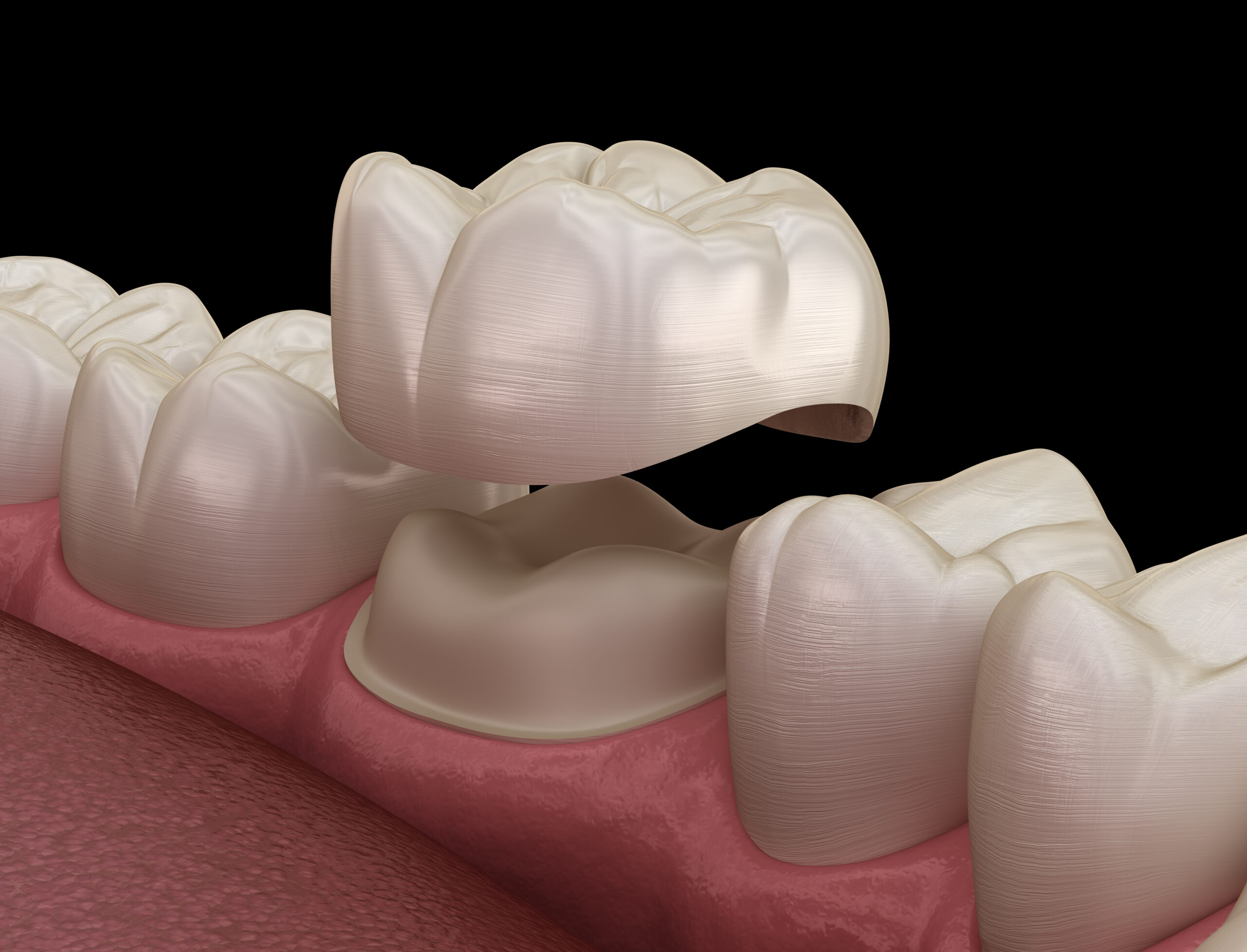
A dental crown is a custom-made cap placed over a tooth to restore its shape, strength, and function. Crowns are commonly used after large fillings, root canal therapy, fractures, or cosmetic damage. Once placed, the crown covers the visible portion of the tooth and blends with the surrounding smile.
Why Dental Crowns Are Commonly Recommended
Crowns serve both restorative and cosmetic purposes. Dentists may suggest a crown when a tooth is weak, cracked, worn down, or discolored. In many cases, a crown helps avoid extraction by preserving the natural tooth structure.
Common reasons for crown placement include:
- Protecting a tooth after root canal therapy
- Restoring a broken or severely worn tooth
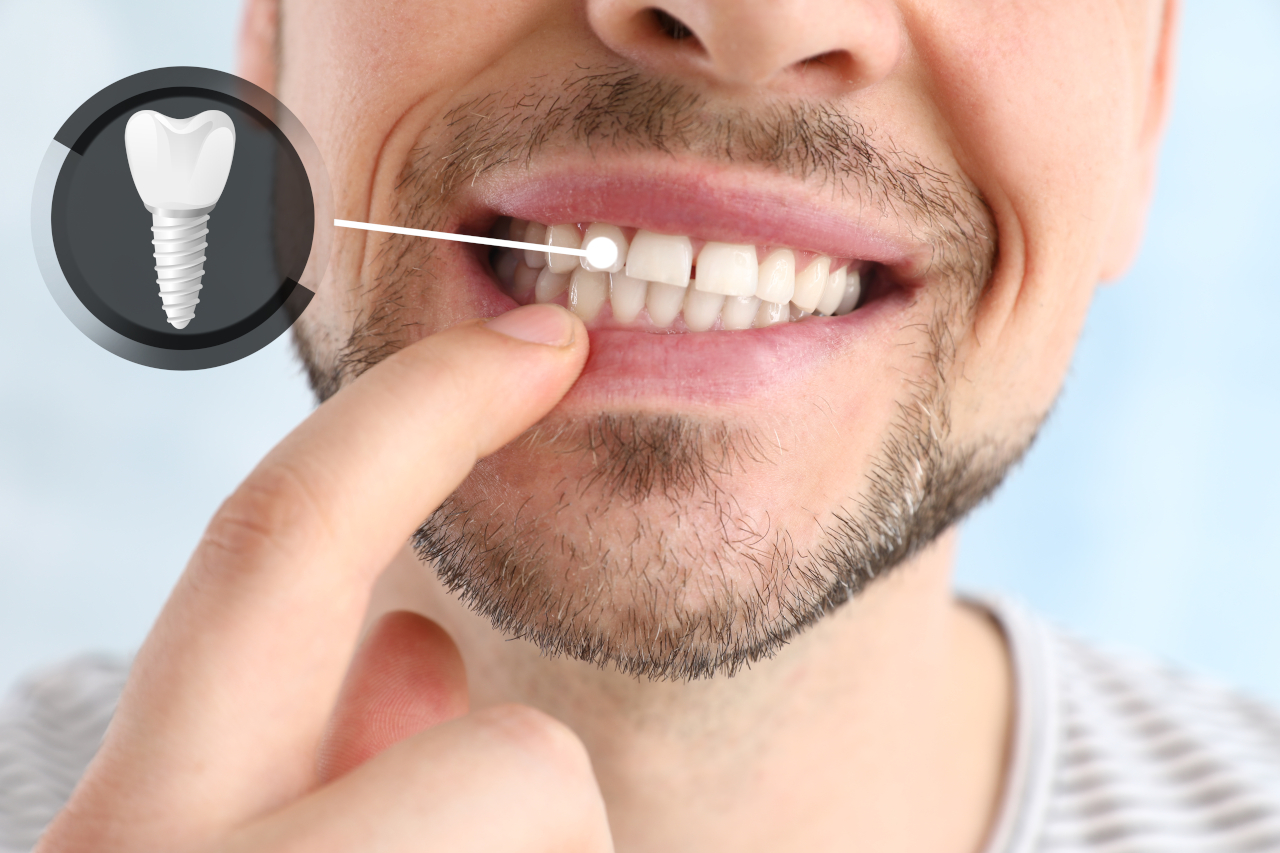
- Covering a dental implant
- Supporting a dental bridge
- Improving tooth appearance and alignment
Dental Tooth Crown is often chosen because it offers long-term stability when properly cared for.
Types of Dental Crowns Explained
Several crown materials are available today, each designed for specific needs. Understanding the differences helps patients choose the right option.
Porcelain Crowns
Porcelain crowns are known for their natural appearance. They closely match the color and translucency of natural teeth, making them popular for visible areas of the mouth.
Pros:
- Highly natural look
- Ideal for front teeth
- Stain resistant
Cons:
- Less durable than metal options
- Can chip under heavy biting force
Cost Range: Moderate to high, depending on customization and lab work.
Porcelain-Fused-to-Metal (PFM) Crowns
PFM crowns combine strength and aesthetics. A metal base provides durability, while a porcelain outer layer improves appearance.
Pros:
- Strong and reliable
- More affordable than all-porcelain
- Suitable for front and back teeth
Cons:
- Porcelain layer may wear over time
- Metal edge can become visible near the gumline
Cost Range: Moderate and commonly covered by insurance plans.
Related Guide:- Dental Veneers vs. Bonding: Which Option Is Right for You?
Zirconia Crowns
Zirconia crowns have become increasingly popular due to their strength and modern appearance. They are suitable for patients who need durability without sacrificing aesthetics.
Pros:
- Extremely strong and long-lasting
- Resistant to fractures
- Can be color-matched to natural teeth
Cons:
- Higher cost than traditional materials
- Requires precise placement
Cost Range: Higher, reflecting advanced material quality.
Dental crowns treatment using zirconia is often selected for molars or patients who grind their teeth.
Metal Crowns
Metal crowns, made from gold or other alloys, are the most durable option. They are often used for molars where appearance is less critical.
Pros:
- Longest lifespan
- Minimal tooth removal
- Rarely chip or break
Cons:
- Metallic appearance
- Less commonly chosen for visible teeth
Cost Range: Varies based on metal type and market value.
All-Resin Crowns
Resin crowns are typically used as temporary restorations. They are less expensive but do not offer the same durability as other materials.
Pros:
- Lower upfront cost
- Quick placement
Cons:
- Shorter lifespan
- More prone to wear and fracture
Cost Range: Lower, often used for short-term needs.
Dental Crown Cost Comparison Factors
The cost of dental tooth crown woodbridge can vary depending on several factors. Material choice is only one part of the overall pricing.
Cost is influenced by:
- Type of crown material
- Tooth location
- Complexity of preparation
- Laboratory fees
- Insurance coverage
Patients should discuss options openly to balance durability, appearance, and budget.
How Long Do Dental Tooth Crowns Last?
The lifespan of a crown depends on the material, oral hygiene, and daily habits. On average, crowns last between 10 to 15 years, though many last longer with proper care.
Maintaining good brushing habits, avoiding hard foods, and attending regular dental visits can extend crown longevity.
Dental Crown Procedure Step-by-Step

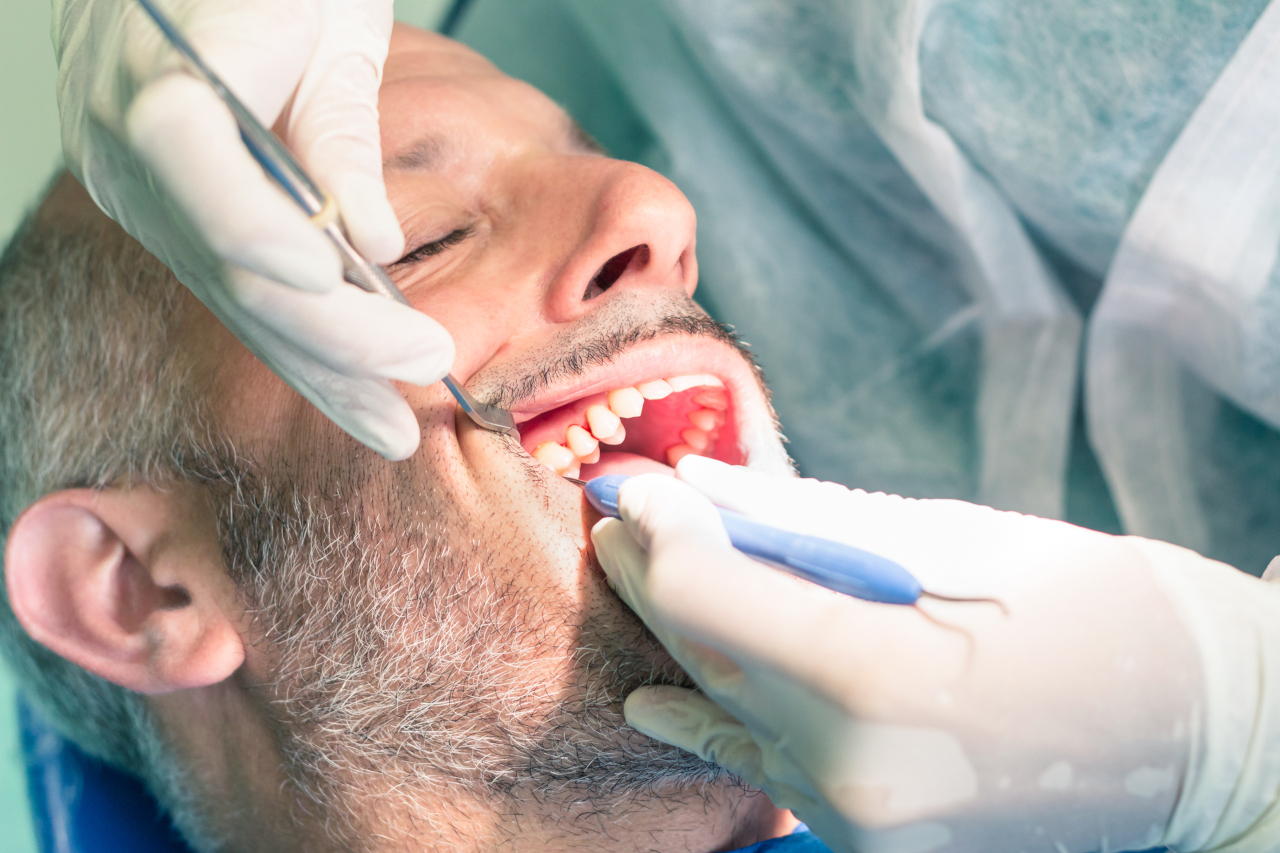
The crown process typically involves two visits. During the first appointment, the tooth is prepared and impressions are taken. A temporary crown may be placed while the final crown is crafted. At the second visit, the permanent crown is adjusted and cemented.
dental tooth crown woodbridge is usually comfortable, and most patients return to normal activities quickly.
Are Dental Crowns Safe?
Dental crowns are widely used and considered safe when placed by trained professionals. Modern materials are biocompatible and designed to integrate smoothly with surrounding teeth and gums.
At Dedicated Smiles, each crown is planned with patient comfort, function, and oral health as the top priorities.
Choosing the Right Crown for Your Needs
Every patient has unique dental needs. The best crown depends on tooth location, bite strength, cosmetic goals, and long-term expectations.
Dental crowns treatment is most successful when patients understand their options and participate in the decision-making process.
Care Tips After Crown Placement
Proper care helps crowns last longer and protects surrounding teeth.
Helpful care tips include:
- Brush twice daily with a soft-bristled toothbrush
- Floss gently around the crown
- Avoid chewing ice or hard objects
- Schedule regular dental checkups
Consistent care supports long-term oral health.
When to Consider Crown Replacement
Crowns may need replacement if they become loose, cracked, or worn. Gum recession can also expose crown edges, affecting appearance and comfort.
Regular dental visits help detect early signs of crown wear before problems develop.
Final Thoughts on Dental Tooth Crowns
Dental crowns play a vital role in restoring strength, appearance, and function to damaged teeth. With several material options available, patients can choose solutions that align with both health needs and personal preferences.
At Dedicated Smiles, every dental tooth crown woodbridget plan focuses on clarity, comfort, and long-term value, helping patients protect their smiles with confidence.
Thinking About Strengthening Your Smile?
A well-planned crown can restore comfort, confidence, and function. When the time feels right, exploring your options with a trusted dental team can help you move forward with clarity and peace of mind. You can learn more or contact us through the Dedicated Smiles website to understand the next steps. For patient experiences, updates, and clinic information, you may also visit our Google Business Profile to see how we support dental care decisions every day.