
Does the idea of a root canal make you nervous? You’re not alone. Root canal treatment has an intimidating reputation, but modern techniques and local anesthesia help make the procedure more manageable than many patients expect. In fact, the purpose of a root canal is to remove infected or inflamed tissue, relieve discomfort, and preserve a natural tooth whenever possible.
At Dedicated Smiles in Woodbridge, Virginia, we provide personalized root canal treatment for patients with damaged or infected teeth. Dr. Abu-Bakr El-Masry and our dental team focus on helping you understand your condition, feel comfortable during treatment, and make informed decisions about protecting your oral health.
If you’ve been told you may need a root canal, learning how the procedure works can help you approach your appointment with greater confidence.
What Is Root Canal Treatment?
Root canal treatment is a dental procedure that removes inflamed or infected tissue from inside a tooth. This tissue, called the pulp, contains nerves, blood vessels, and connective tissue that help a tooth develop.
Once a permanent tooth has fully developed, it can often continue functioning without its pulp because surrounding tissues provide nourishment and support.
During root canal treatment, the dentist accesses the inner chambers of the tooth, removes the affected pulp, cleans and shapes the root canals, and seals the space with a suitable filling material. The tooth is then restored to help protect it from future damage.
The objective is to preserve the natural tooth rather than remove it. However, whether root canal treatment is possible depends on the extent of infection, remaining tooth structure, and overall condition of the tooth.
Why Would Someone Need a Root Canal?
The pulp inside a tooth can become inflamed or infected when bacteria enter through deep decay, a crack, repeated dental procedures, or an injury.
Because the pulp sits within a confined space, inflammation can create pressure and significant discomfort. If bacteria spread beyond the root, an infection may develop in the surrounding tissues.
In some cases, the affected tooth may cause intense pain. However, other patients experience only mild symptoms or no noticeable discomfort. This is why a dental examination and appropriate imaging are important for diagnosis.
Common Signs That May Indicate a Root Canal Is Needed
- Persistent tooth pain or throbbing discomfort.
- Lingering sensitivity to hot or cold temperatures.
- Pain or tenderness when biting or chewing.
- Swelling around the affected tooth or gums.
- A small pimple-like bump on the gum near the tooth.
- Darkening or discoloration of a tooth following injury.
- Deep decay or a fracture that exposes the tooth’s inner tissues.
These symptoms do not always mean you need root canal treatment. For example, temperature sensitivity can have several causes, including exposed roots, decay, or a cracked restoration.
Therefore, professional evaluation is the most reliable way to identify the problem and determine which treatment is appropriate.
What Happens Before Root Canal Treatment?
Your appointment begins with an examination of the affected tooth. Dr. El-Masry will ask about your symptoms, evaluate the surrounding tissues, and may recommend dental X-rays to examine the roots and nearby bone.
Additional tests may help assess how the tooth responds to temperature, pressure, or other stimulation. These findings support an accurate diagnosis and help determine whether root canal treatment is recommended.
Next, your dentist will explain the proposed procedure, discuss the expected restoration, and answer your questions. If the tooth is too severely damaged to restore predictably, other options may need to be considered.
If you feel anxious about dental procedures, let our team know. Clear communication about your concerns can help us plan an experience that feels more comfortable and supportive.
Step-by-Step: What Happens During a Root Canal?
Although the exact procedure varies depending on the tooth and its root anatomy, root canal treatment generally follows several important stages.
Step 1: Numbing the Area
Local anesthetic is used to numb the tooth and surrounding tissues. Your dentist will allow time for the anesthetic to take effect before beginning treatment.
Some teeth with significant inflammation can be more difficult to numb completely. If you experience discomfort during the procedure, tell your dentist so additional measures can be considered.
Step 2: Isolating the Tooth
A protective dental dam is typically placed around the tooth. This thin barrier helps keep the treatment area dry and reduces exposure to saliva and bacteria.
Isolation is an important part of maintaining a clean working environment while the inside of the tooth is treated.
Step 3: Accessing the Root Canals
Your dentist creates a small opening in the tooth to reach the pulp chamber and root canals. Specialized instruments are then used to remove the affected tissue from inside the tooth.
The number and shape of the root canals vary. Front teeth often have simpler root anatomy, while molars may contain several canals requiring more detailed treatment.
Step 4: Cleaning and Shaping
Once the inflamed or infected pulp is removed, the canals are carefully cleaned and shaped. Antimicrobial rinses help reduce bacteria and remove debris from the internal spaces.
This stage is essential because the goal is to create a clean, properly prepared space that can be sealed effectively.
Step 5: Filling the Canals
After cleaning, the root canals are filled with a biocompatible material designed to seal the internal spaces. The access opening is then closed with a temporary or permanent restorative material, depending on the treatment plan.
In certain situations, treatment may require more than one appointment, particularly when the anatomy is complex or additional infection management is needed.
Step 6: Restoring the Tooth
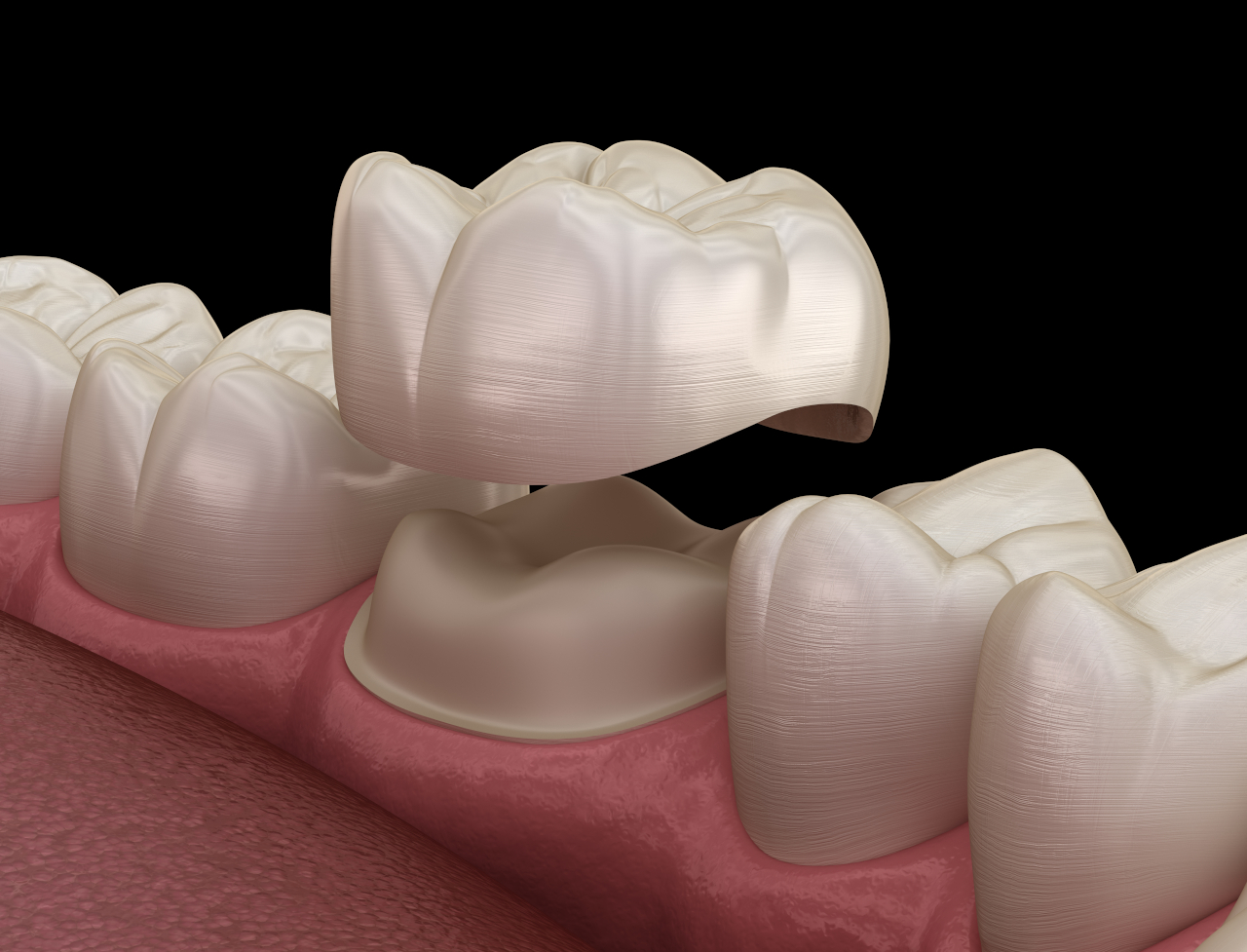
After root canal treatment, the tooth needs an appropriate final restoration. This may involve a filling or a custom dental crown, depending on the amount of healthy tooth structure remaining.
Back teeth commonly need additional protection because they handle substantial chewing pressure. Your dentist will recommend a restoration based on the condition and function of your specific tooth.
Benefits of Root Canal Treatment
Root canal treatment is primarily designed to address problems within an affected tooth while preserving as much natural structure as possible. When the tooth can be restored successfully, this approach offers several important advantages.
- Preserves your natural tooth: Root canal treatment can help avoid extraction when the tooth remains restorable.
- Addresses the source of infection: Removing infected or inflamed pulp helps treat the underlying problem inside the tooth.
- Relieves tooth-related discomfort: Treating the damaged pulp can help resolve pain caused by inflammation or infection.
- Maintains chewing function: A properly restored tooth can continue supporting everyday biting and chewing.
- Supports neighboring teeth: Keeping your natural tooth helps preserve its position in the dental arch.
- May avoid tooth replacement: Successful treatment can reduce the need for a bridge, implant, or removable prosthesis.
While root canal treatment has a strong record of success, outcomes vary. Factors such as the tooth’s original condition, root anatomy, restoration quality, and ongoing oral hygiene can influence its long-term function.
Does Root Canal Treatment Hurt?
Many patients associate root canals with pain, but much of that reputation comes from the dental problems that make treatment necessary rather than the procedure itself.
Modern local anesthesia is intended to keep the tooth and surrounding tissues numb during treatment. You may feel pressure or vibration, but sharp pain should be reported immediately.
After the anesthetic wears off, mild tenderness or sensitivity when chewing is common for a few days. This is usually related to inflammation in the tissues surrounding the tooth.
Your dentist will provide instructions for managing discomfort and explain which symptoms should prompt a follow-up call.
Severe or worsening pain, new swelling, fever, or difficulty swallowing should never be ignored. If swelling affects breathing or swallowing, seek emergency medical attention.
How Long Does a Root Canal Take?
Appointment length depends on the tooth, the number of root canals, and the complexity of the infection or damage. Some procedures can be completed during one visit, while others require additional appointments.
For example, a front tooth with one canal may be more straightforward than a molar with several curved canals. Previous restorative work or unusual anatomy can also affect treatment time.
Rather than relying on a universal time estimate, ask your dental team what to expect for your specific tooth. Your dentist can explain the anticipated stages after completing the examination.
What Should You Expect After a Root Canal?
Following treatment, you may notice temporary tenderness around the tooth. Avoid chewing while your mouth remains numb, and follow any recommendations about eating or using the treated side.
If a temporary filling or crown has been placed, protect it until your final restoration is completed. Avoid hard or sticky foods that could loosen the temporary material.
Continue brushing and flossing carefully unless your dentist provides different instructions. Keeping the surrounding gums healthy is important during recovery.
Also, attend all recommended follow-up appointments. Completing the final restoration is an important part of protecting the treated tooth from fracture and reinfection.
Root Canal vs. Tooth Extraction: Which Is Better?
When a natural tooth can be saved predictably, root canal treatment may offer the advantage of preserving its original position and function. However, not every tooth can be restored successfully.
A tooth with a severe fracture extending below the gumline, inadequate supporting bone, or extensive structural loss may require extraction instead.
If extraction is necessary, replacement options may include a bridge or dental implants. Each option has different costs, treatment requirements, and maintenance considerations.
At Dedicated Smiles, we’ll help you understand the condition of your tooth and discuss reasonable treatment alternatives before you make a decision.
How to Help Prevent Future Root Canal Problems
Although not every root canal can be prevented, maintaining good oral hygiene reduces the likelihood of decay and certain infections.
Brush twice daily with fluoride toothpaste, clean between your teeth, and limit frequent sugary snacks and drinks. Regular dental examinations also allow small problems to be identified before they become more extensive.
Additionally, protect your teeth during sports and avoid chewing hard objects that could cause fractures. If you grind your teeth, ask whether a night guard may help reduce excessive pressure.
Seeking dental evaluation when discomfort first appears can also make a difference. Waiting for a toothache to become severe may allow an existing problem to progress.
Frequently Asked Questions About Root Canal Treatment
Is a root canal better than having a tooth pulled?
Saving a natural tooth can preserve its position and function. However, extraction may be necessary when the tooth is too damaged to restore successfully.
How long does a root canal-treated tooth last?
A properly treated and restored tooth may function for many years. Its lifespan depends on the amount of remaining tooth structure, restoration quality, oral hygiene, and other factors.
Do I always need a crown after a root canal?
Not always. Many back teeth benefit from crown protection, while some front teeth can be restored with a filling. Your dentist will assess the tooth’s individual needs.
Can a tooth become infected again after root canal treatment?
Yes. Although root canal treatment is designed to remove infected tissue and seal the canals, reinfection can sometimes occur. Additional treatment may be necessary.
Can I return to normal activities after a root canal?
Many patients resume usual daily activities relatively quickly. Follow your dentist’s instructions about eating, medication, and protecting the treated tooth.
Get Comfortable, Personalized Root Canal Care in Woodbridge, VA
Root canal treatment is designed to address problems inside a damaged or infected tooth while preserving its natural function whenever possible. With modern dental techniques, personalized treatment planning, and an appropriate final restoration, many patients can keep their treated teeth for years. Understanding the procedure can help you feel more prepared for your appointment.
At Dedicated Smiles in Woodbridge, VA, Dr. Abu-Bakr El-Masry and our team are here to answer your questions and evaluate your dental concerns. Book an Appointment or Call Us Today at 703-583-7720 to learn more about root canal treatment.