Porcelain Veneers vs. Dental Bonding: Which Cosmetic Treatment Fits Your Smile Goals?
Have you been considering a cosmetic dental treatment but aren’t sure whether veneers or bonding would be a better fit? Both options can improve the appearance of certain teeth, yet they differ in materials, preparation, cost, and longevity. Understanding porcelain veneers vs. dental bonding can help you choose a treatment that matches your goals without making unnecessary changes to your natural smile.
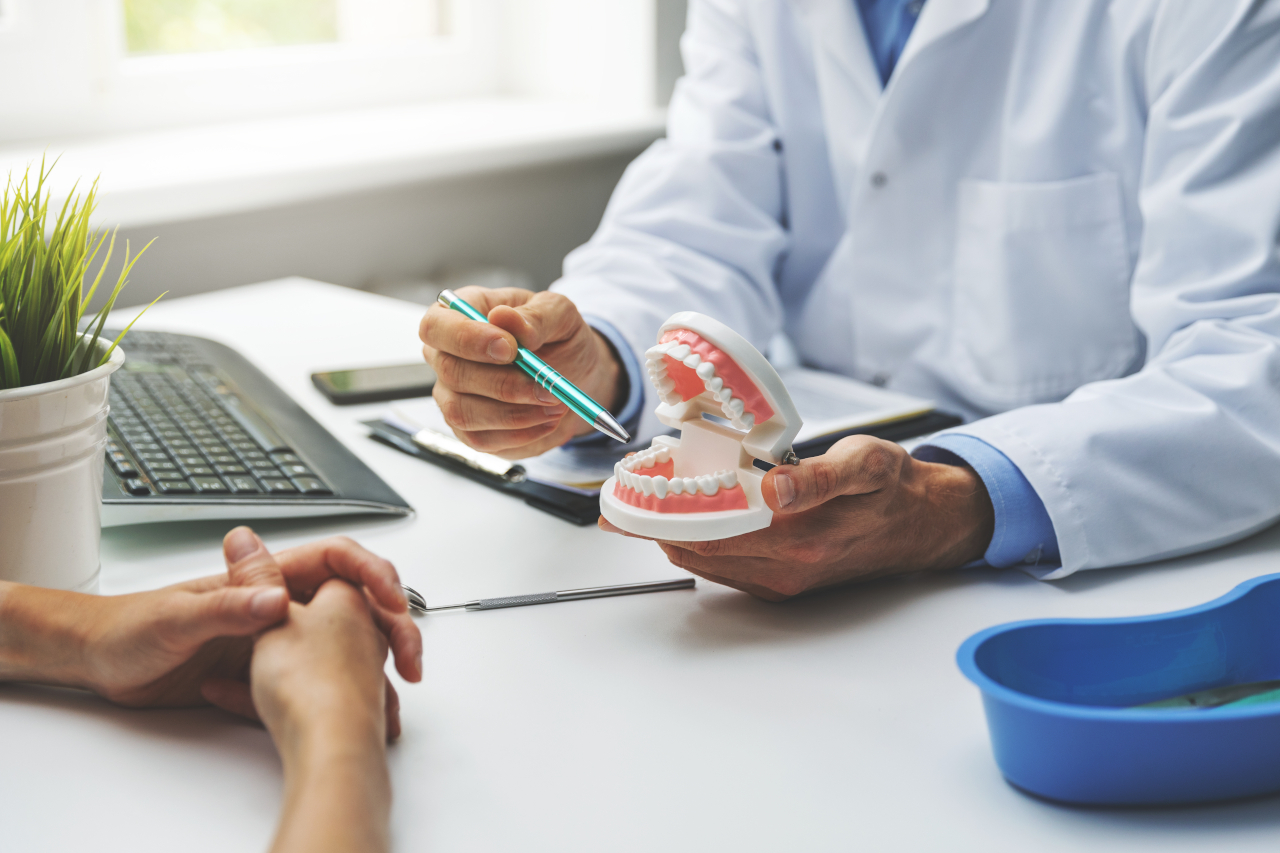
At Dedicated Smiles in Woodbridge, Virginia, we offer personalized porcelain dental veneers and dental bonding as part of our cosmetic dentistry services. Dr. Abu-Bakr El-Masry takes time to evaluate your teeth, discuss your preferences, and recommend appropriate treatment options based on your dental health.
Whether you’re interested in improving a small chip, addressing discoloration, or creating a more balanced smile, learning what these treatments involve is the first step toward making a confident decision.
What Are Porcelain Dental Veneers?
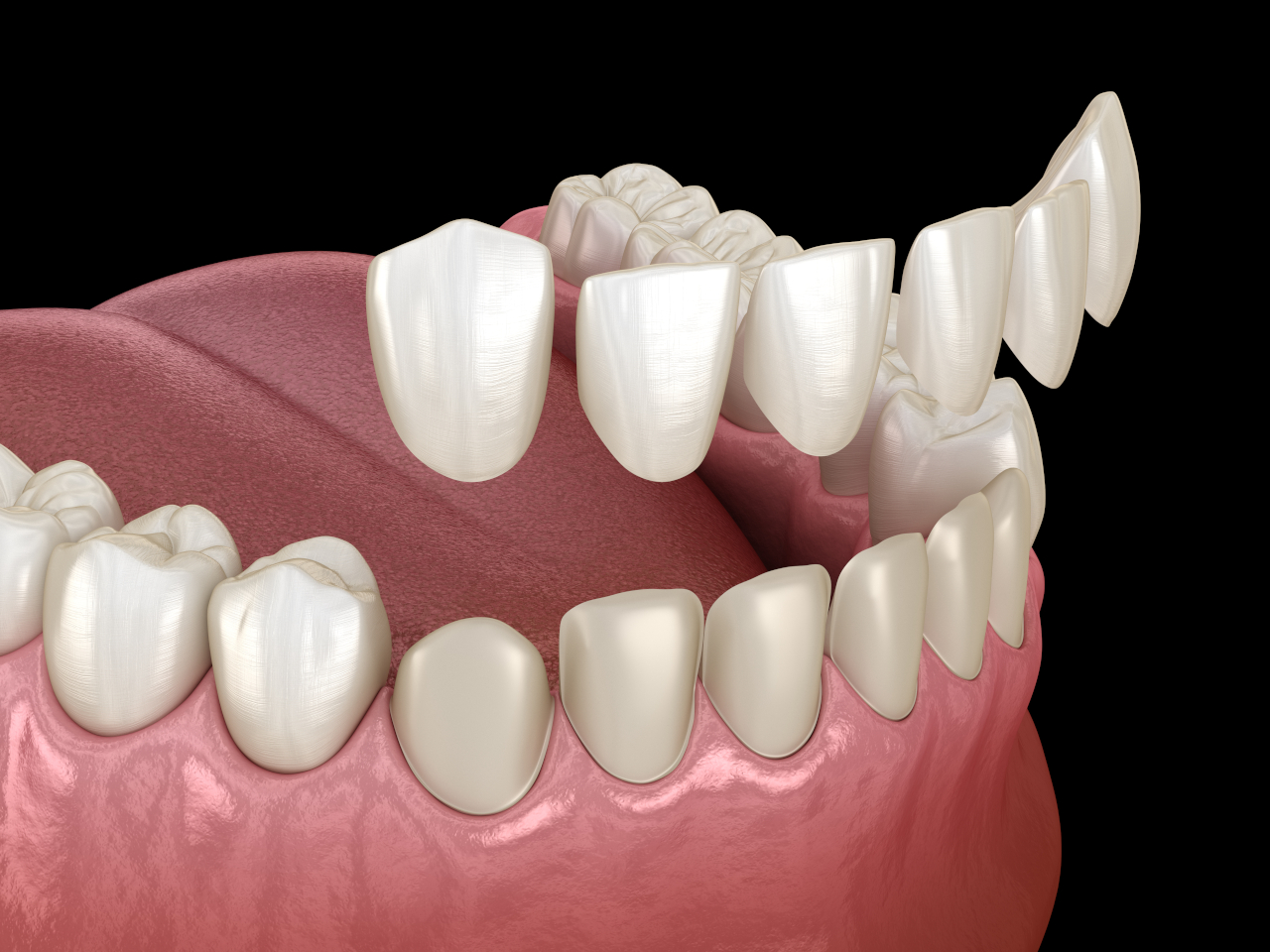
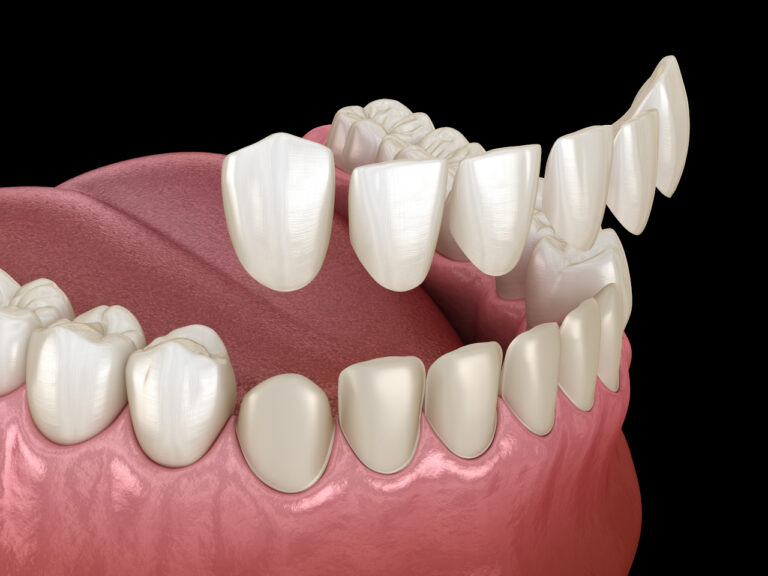
Porcelain veneers are thin, custom-made shells that cover the front surfaces of teeth. They are designed to improve the appearance of teeth affected by certain stains, minor irregularities, chips, or uneven proportions.
Veneers are typically crafted from dental porcelain, a material valued for its natural appearance and resistance to common surface stains. Because each veneer is custom-made, your dentist can consider factors such as tooth shape, color, and overall smile balance.
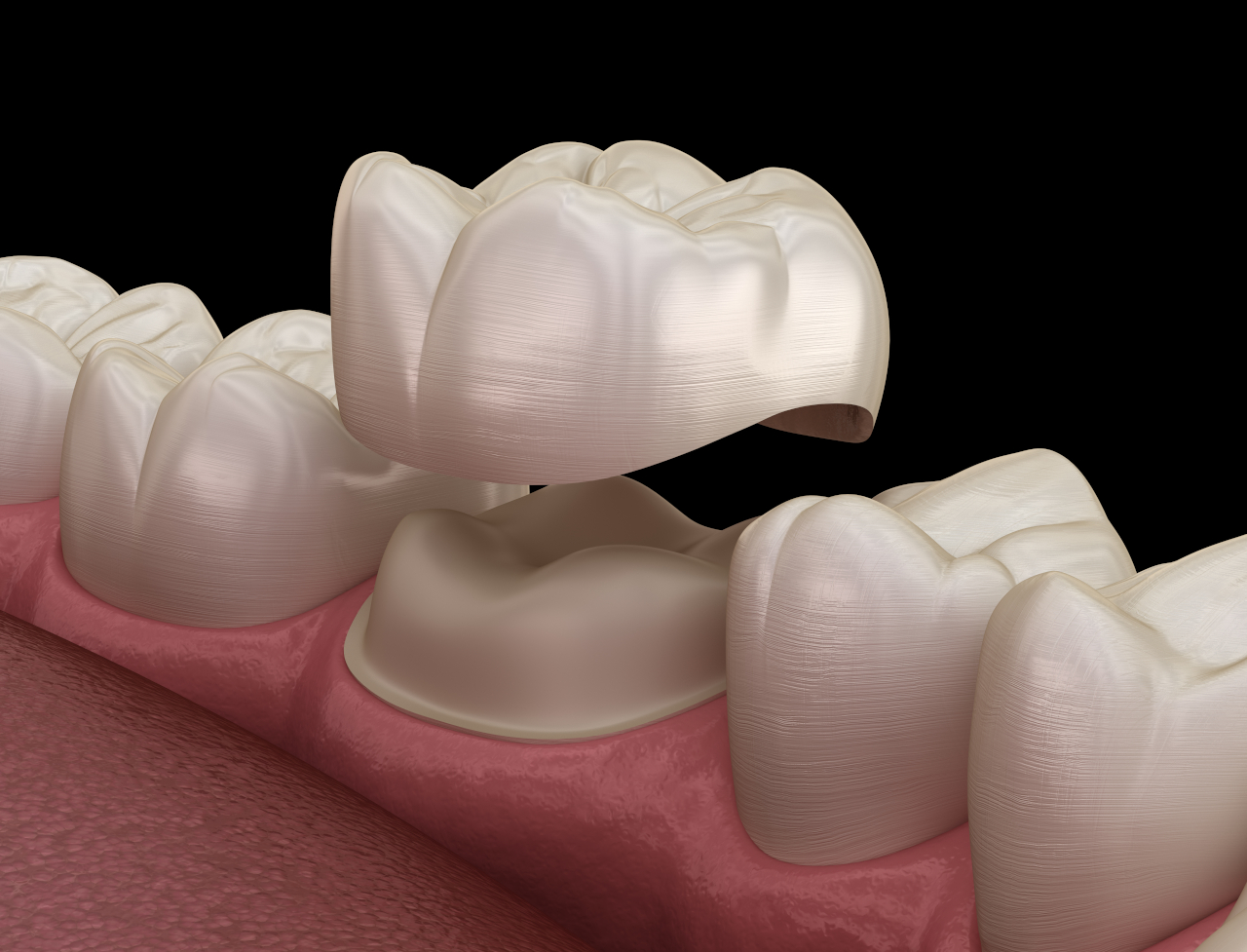
In many cases, placing traditional porcelain veneers requires removing a small amount of enamel from the front surface of the teeth. This helps create space for the restoration and allows it to fit naturally. Since enamel removal is generally irreversible, veneers should be considered a meaningful long-term treatment decision.
At Dedicated Smiles, we discuss the preparation process, expected appearance, and maintenance requirements before recommending porcelain veneers.
What Is Dental Bonding?
Dental bonding is a cosmetic treatment that uses tooth-colored composite resin to improve the shape or appearance of a tooth. The material is applied directly to the tooth, carefully shaped, and hardened with a special curing light.
Bonding can be useful for small chips, slight gaps, uneven edges, and certain localized discolorations. It may also help improve the proportions of an individual tooth without requiring a more extensive restoration.
One of the main advantages of dental bonding is that it often requires little or no removal of healthy enamel. Additionally, many bonding treatments can be completed during a single appointment.
However, composite resin is generally more susceptible to staining, wear, and chipping than porcelain. For this reason, bonding may require occasional polishing, repair, or replacement.
Porcelain Veneers vs. Dental Bonding: Key Differences
Although both treatments can enhance the appearance of your smile, their differences become more important when considering the extent of the desired change and your long-term expectations.
Materials and Appearance
Porcelain veneers are made from a durable ceramic material designed to resemble natural tooth enamel. Their translucency and smooth surface can help create a realistic appearance when the restoration is properly planned and fabricated.
Dental bonding uses composite resin that your dentist shapes directly onto the tooth. Modern composites are available in multiple shades and can provide attractive results, particularly when addressing smaller cosmetic concerns.
Both materials can be matched to the surrounding teeth. However, porcelain is often preferred when a patient wants a more extensive change to tooth shape or appearance across several teeth.
Treatment Time
Dental bonding can often be completed in one visit because the composite material is applied and shaped directly in the dental office.
Traditional porcelain veneers usually require more than one appointment. After planning and tooth preparation, impressions or scans are used to create the custom restorations. The veneers are then evaluated and bonded into place at a later visit.
The exact appointment schedule depends on the number of teeth involved and the complexity of the treatment.
Enamel Preservation
Preserving healthy tooth structure is an important consideration in cosmetic dentistry. Bonding often requires minimal preparation, while conventional porcelain veneers generally involve some enamel removal.
Because veneer preparation is not usually reversible, patients should understand what is being changed before proceeding. Your dentist can explain whether a more conservative option could accomplish a similar goal.
Durability and Maintenance
Porcelain veneers can provide many years of service with proper maintenance. However, they can still chip, loosen, or require replacement over time.
Dental bonding may also last for years, but the resin can become stained, worn, or damaged, particularly around biting edges. Small repairs are sometimes possible without replacing the entire bonded area.
Your chewing habits, oral hygiene, bite alignment, and any teeth grinding can influence the lifespan of either treatment.
Benefits of Porcelain Veneers
Porcelain veneers may be especially appealing to patients who want to address several cosmetic concerns at once. When planned appropriately, they can provide a coordinated improvement in tooth color, shape, and visible proportions.
- Natural-looking appearance: Dental porcelain can closely resemble the light-reflecting qualities of natural enamel.
- Customized smile design: Veneers can be made to suit your tooth shape, facial features, and cosmetic preferences.
- Stain resistance: Porcelain generally resists common surface stains better than composite resin.
- Versatile cosmetic improvement: Veneers may address multiple concerns such as chips, uneven edges, and certain discolorations.
- Long-term performance: Properly maintained veneers can remain functional and attractive for many years.
- Smooth finish: Custom porcelain restorations can provide a consistent surface texture and appearance.
Even with these advantages, veneers are not ideal for everyone. Patients with active gum disease, untreated decay, or significant grinding may need additional evaluation or treatment before considering veneers.
Benefits of Dental Bonding
Dental bonding offers a more conservative approach for many smaller cosmetic changes. It is often recommended when a patient wants to improve a limited area without the preparation required for traditional veneers.
- Minimal tooth preparation: Bonding often preserves most or all of the existing enamel.
- Convenient appointments: Many bonding procedures can be completed in a single visit.
- Natural-looking color: Composite resin can be selected to complement neighboring teeth.
- Localized improvements: Bonding works well for small chips, uneven edges, and minor cosmetic concerns.
- Repair potential: Certain chipped or worn bonded areas can be repaired with additional composite material.
- Lower initial cost: Bonding generally costs less than custom porcelain veneers.
Although bonding is a useful option for many patients, it may not achieve the same durability or extensive cosmetic transformation as porcelain veneers. The best treatment is one that fits both the condition of your teeth and your expectations.
Which Cosmetic Dental Treatment Costs More?
Porcelain veneers generally involve a higher initial investment than dental bonding. This difference reflects the custom fabrication process, materials, and additional treatment stages commonly involved with veneers.
Bonding is often more affordable initially because composite resin is placed directly on the tooth. However, bonding may require maintenance or replacement sooner than porcelain, depending on the location and amount of material used.
When comparing costs, it’s helpful to consider how many teeth will be treated, whether preparatory care is needed, and how long the treatment is expected to function.
Cosmetic procedures are not always covered by dental insurance. Therefore, ask your dental team for an individualized estimate and information about available payment arrangements before committing to treatment.
How to Decide Which Option Is Right for You
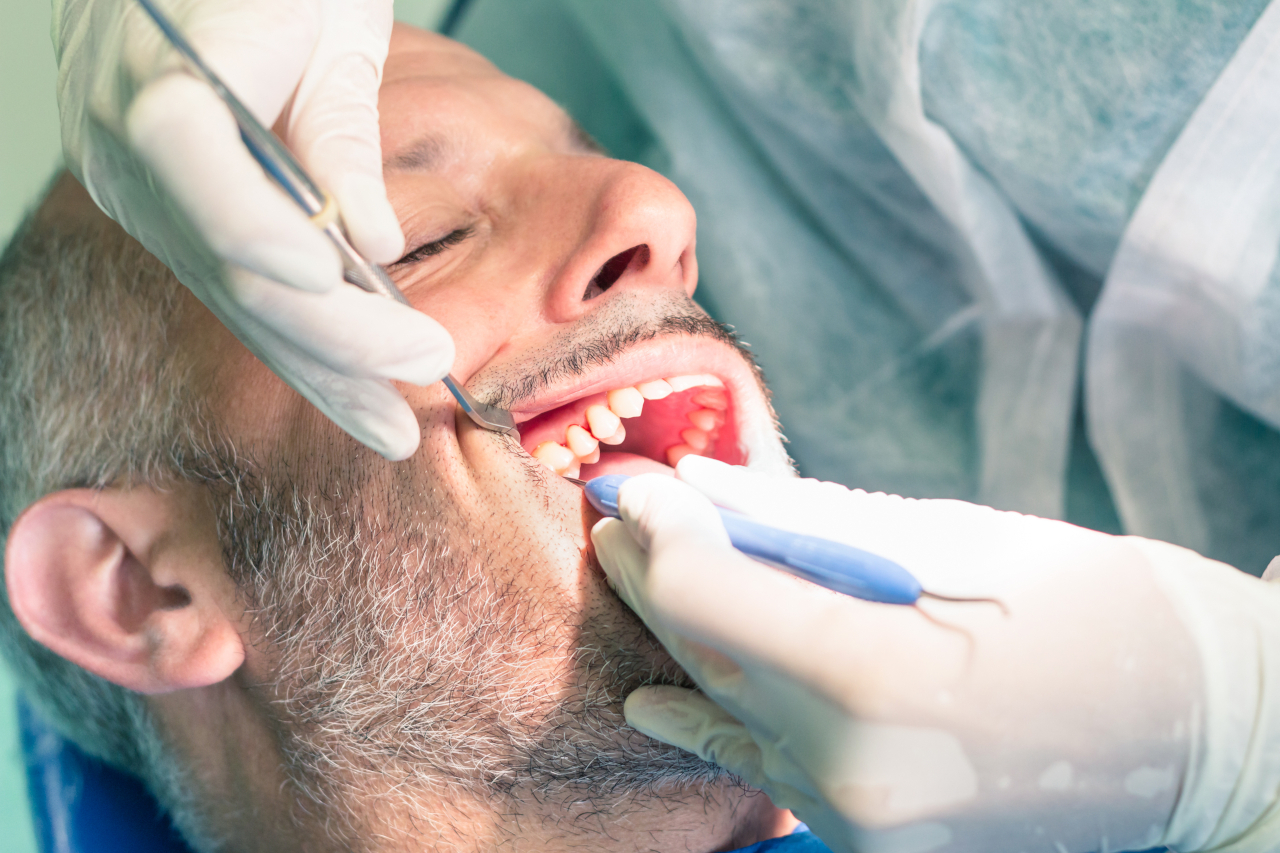
Choosing between veneers and bonding starts with a dental examination and a conversation about what you would like to change. For example, one small chipped edge may be suitable for bonding, while several teeth with significant differences in shape or color may call for a more comprehensive cosmetic treatment plan.
It’s also important to consider your natural bite. Teeth that experience heavy pressure or grinding may be at greater risk of restoration damage. In some situations, protective treatment or bite management may be recommended before cosmetic work.
Another consideration is tooth color. If you’re planning to have your teeth whitened, your dentist may recommend completing whitening before selecting the final shade of bonding or veneers. Unlike natural enamel, restorative materials do not whiten in the same way.
At Dedicated Smiles, our cosmetic dentistry consultations are focused on understanding what matters to you, explaining realistic options, and creating a plan that respects your natural smile.
What Happens During a Porcelain Veneer Consultation?
During a veneer consultation, your dentist evaluates your teeth, gums, bite, and existing restorations. You’ll discuss which features you would like to address and what appearance feels natural to you.
If veneers are suitable, the planning process may include photographs, dental impressions, or digital scans. These records help guide the shape and fit of the proposed restorations.
Next, your dentist will explain the amount of tooth preparation required, the anticipated number of visits, and how to maintain your veneers after placement.
Patients should also feel comfortable asking questions about alternatives. Veneers are one option among several, and a more conservative treatment may sometimes provide a satisfactory result.
How Should You Care for Veneers or Bonding?
Both veneers and bonding need regular home care. Brush twice daily with fluoride toothpaste, floss carefully, and maintain professional dental visits as recommended.
In addition, avoid using your teeth to open packaging or bite hard objects. These habits can chip restorations just as they can damage natural enamel.
If you drink coffee, tea, or other dark beverages regularly, remember that bonding material may gradually discolor. Good hygiene and professional polishing can help maintain its appearance, although some stained restorations may require repair or replacement.
If you grind your teeth at night, ask whether a custom night guard would be appropriate. Protecting cosmetic restorations from excessive pressure may help extend their useful life.
Frequently Asked Questions About Veneers and Bonding
Are porcelain veneers better than dental bonding?
Neither treatment is universally better. Veneers may be preferred for more extensive cosmetic changes, while bonding can be a conservative choice for smaller improvements.
Does dental bonding damage natural teeth?
Dental bonding generally requires little or no enamel removal. However, the amount of preparation needed depends on the tooth and the intended result.
Can veneers or bonding fix gaps between teeth?
Both treatments may improve the appearance of certain spaces. However, larger gaps or bite-related concerns may be better addressed with orthodontic treatment.
Will dental bonding stain over time?
Composite resin can gradually stain, particularly with frequent exposure to certain foods, beverages, and tobacco. Porcelain generally offers greater resistance to surface staining.
Can I switch from bonding to veneers later?
Some patients can transition from bonding to veneers after evaluation. The decision depends on the condition of the tooth, the amount of existing restorative material, and the desired result.
Explore Your Cosmetic Dentistry Options in Woodbridge, VA
Porcelain veneers and dental bonding can both improve the appearance of selected teeth, but they offer different levels of preparation, durability, and customization. The right choice depends on your oral health, the changes you want to make, and your long-term expectations. A personalized consultation can help clarify which treatment is appropriate.
At Dedicated Smiles in Woodbridge, VA, Dr. Abu-Bakr El-Masry and our dental team are here to help you explore your options. Schedule a Consultation or Call Us Today at 703-583-7720 to learn more about veneers, bonding, and personalized cosmetic dental care.