Dental Crown vs. Filling: How to Choose the Right Treatment for Your Tooth
Have you ever gone to the dentist expecting a simple filling, only to learn that a dental crown might be a better option? Both treatments can repair damaged teeth, but they serve different purposes. Understanding the difference between a dental crown vs. filling can help you feel more comfortable making decisions about your oral health.
At Dedicated Smiles in Woodbridge, VA, we offer both custom dental crowns and dental fillings to help patients restore damaged teeth. Dr. Abu-Bakr El-Masry evaluates the condition of each tooth before recommending a treatment that supports its strength, appearance, and long-term function.
Whether you’re dealing with a new cavity, an older filling that needs replacement, or a tooth weakened by a fracture, knowing what each restoration can accomplish is a great place to start.
What Is the Difference Between a Dental Crown and a Filling?
A dental filling repairs a specific area of a tooth that has been damaged by decay or a small fracture. After removing the damaged portion, the dentist places a restorative material into the prepared area. The filling restores the tooth’s shape and helps protect the exposed structure.
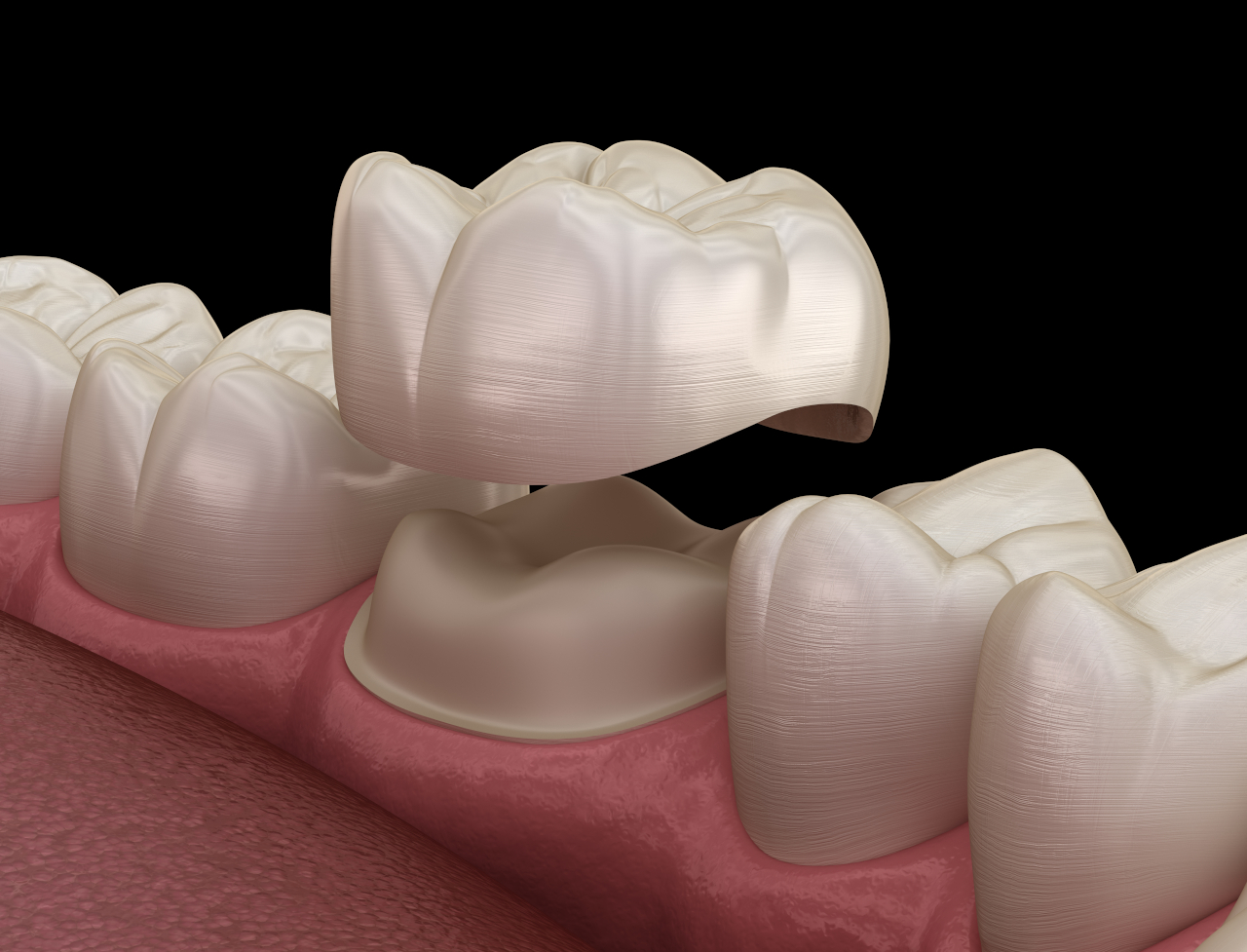
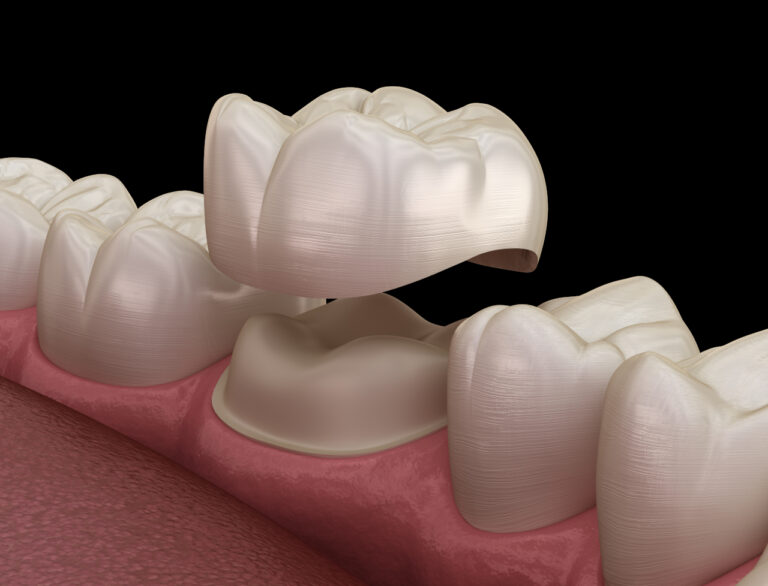
A dental crown, on the other hand, covers the visible portion of a tooth above the gumline. It is designed to protect and reinforce a tooth that may not have enough healthy structure remaining to support a conventional filling.
In simple terms, a filling repairs part of your tooth, while a crown provides coverage around most or all of its visible surface. Neither option is automatically better. The right choice depends on how much damage is present, the location of the affected tooth, and how much healthy tooth structure remains.
When Is a Dental Filling the Right Choice?
Dental fillings are commonly recommended for small to moderate cavities and certain minor tooth defects. If decay is discovered before it spreads extensively, a filling may restore the affected area without requiring more comprehensive treatment.
To place a filling, your dentist removes the damaged or decayed material and cleans the area. The prepared space is then filled with a suitable restorative material. Tooth-colored composite fillings are commonly selected because they can blend with the surrounding enamel.
Additionally, fillings generally preserve more of the original tooth structure than crowns. This makes them an important part of minimally invasive restorative dentistry when enough healthy tooth remains.
Signs You May Need a Dental Filling
- A small cavity has been identified during a dental examination.
- You experience sensitivity related to a localized area of decay.
- A minor chip or defect needs repair.
- An existing filling is worn, damaged, or no longer sealing properly.
- The affected tooth has enough healthy structure to support a filling.
Not all cavities produce noticeable symptoms. In fact, early decay is often detected during routine examinations or dental X-rays. Therefore, maintaining regular preventive appointments can help your dental team identify problems while more conservative treatments remain possible.
When Might a Dental Crown Be Necessary?
A dental crown may be recommended when a tooth has significant damage, a large existing restoration, or weakened walls that could fracture under normal chewing pressure. Because a crown covers the tooth, it can help distribute biting forces and protect vulnerable areas.
For example, a tooth with a very large filling may have relatively little natural enamel and dentin remaining. Placing another filling may not provide adequate support. In this situation, a custom crown could offer more reliable protection.
Crowns are also frequently considered after root canal treatment, especially for back teeth that experience substantial chewing forces. However, whether a crown is needed depends on the tooth’s condition and function.
Common Reasons for a Dental Crown
- Extensive tooth decay that cannot be predictably restored with a filling.
- A large fracture or a weakened chewing surface.
- A tooth with a substantial existing filling.
- Protection after certain root canal procedures.
- Restoration of a severely worn or misshapen tooth.
- Support for certain dental bridges or implant restorations.
At Dedicated Smiles, the recommendation is based on your dental examination rather than a one-size-fits-all rule. Our goal is to help preserve your natural teeth whenever possible while selecting a restoration that suits your needs.
Benefits of Dental Crowns and Fillings
Both dental crowns and fillings play valuable roles in restorative dentistry. Although they offer different levels of coverage, each treatment can support oral health when used appropriately.
- Preservation of natural teeth: Both options can help repair damage and reduce the need for more extensive treatment.
- Improved chewing: Properly restored teeth can make everyday eating more comfortable.
- Protection from additional damage: Fillings seal repaired areas, while crowns offer broader coverage for compromised teeth.
- Natural-looking results: Tooth-colored materials can help restorations blend with neighboring teeth.
- Personalized treatment: The restoration can be selected according to the amount and location of damage.
- Long-term oral health: Addressing decay and fractures promptly may help prevent further complications.
Furthermore, restoring a damaged tooth can make brushing and flossing easier when its original shape and function are properly reestablished. However, neither treatment prevents future decay on its own. Consistent oral hygiene and regular dental visits remain essential.
Dental Crown vs. Filling: Which Lasts Longer?
Patients often ask whether a crown will last longer than a filling. The answer depends on several factors, including the restorative material, the location of the tooth, the size of the restoration, and your daily habits.
Some fillings remain functional for many years, particularly when they are relatively small and surrounded by healthy tooth structure. Crowns can also provide many years of service, but they may eventually require replacement because of wear, damage, or changes affecting the underlying tooth.
Grinding your teeth, chewing ice, using your teeth to open packages, and neglecting oral hygiene can shorten the useful life of either restoration. Additionally, decay can develop around the edges of crowns and fillings if plaque is allowed to accumulate.
Rather than choosing a treatment based only on its expected lifespan, it is important to consider which restoration will adequately support the tooth in its current condition.
What About the Cost of a Dental Crown vs. Filling?
A dental filling usually costs less than a crown because it generally involves less extensive preparation and restorative work. Crowns often require additional treatment steps, customized fabrication, and more material.
However, choosing the least expensive option initially may not be the most practical decision if it cannot adequately protect the tooth. A large filling placed in a severely weakened tooth may need replacement or further treatment if the tooth fractures.
Dental insurance coverage also varies according to the plan, treatment reason, and specific benefit limitations. Before proceeding, ask for an explanation of your recommended care and the anticipated out-of-pocket expense.
For patients without traditional dental insurance, Dedicated Smiles also provides information about its dental membership plans. Our team can help you understand available options before scheduling treatment.
What Happens During a Filling Appointment?
Most routine dental fillings can be completed during a single visit. First, your dentist evaluates the affected tooth and determines the appropriate treatment. Local anesthetic may be used to keep the area comfortable during the procedure.
Next, the damaged material is removed, and the area is prepared for restoration. With a composite filling, the restorative material is applied, shaped, and hardened using a curing light. Finally, the dentist checks your bite and makes adjustments when necessary.
Temporary sensitivity can occur afterward, particularly when the original cavity was deep. However, persistent pain, increasing sensitivity, or a bite that feels uneven should be discussed with your dental office.
What Happens During a Dental Crown Appointment?
Receiving a crown usually involves additional steps because the restoration must fit the shape of your tooth and work comfortably with your bite.
After evaluating the tooth, your dentist removes decay or damaged material and prepares the remaining structure. An impression or digital scan is then used to create a custom-fitting crown. Depending on the treatment process, a temporary crown may protect the prepared tooth while the final restoration is made.
When the permanent crown is ready, its fit, contact points, and bite are checked before it is secured. You may experience temporary sensitivity or gum tenderness during recovery.
Although the treatment process differs from a filling, the objective is similar: restore a tooth that feels comfortable and functions reliably.
How to Protect Your Restored Tooth
Once your dental work is complete, consistent home care can help protect your restoration and surrounding teeth. Brush twice daily using fluoride toothpaste, clean between your teeth, and attend recommended dental examinations.
Also, avoid chewing on extremely hard objects that could fracture natural teeth or restorative materials. If you regularly clench or grind your teeth, ask whether a protective night guard may be appropriate.
Remember that a crown or filling is not a substitute for preventive care. Even well-made restorations can develop problems if the surrounding tooth structure or gums become unhealthy.
Regular visits allow your dentist to evaluate existing dental work and identify changes before they cause substantial discomfort.
Frequently Asked Questions About Dental Crowns and Fillings
Is a crown stronger than a filling?
A crown provides broader coverage and can reinforce a weakened tooth. However, a filling may be the better option when damage is limited and enough healthy tooth structure remains.
Can a large filling be replaced with a crown?
Yes. If a tooth with a large filling becomes cracked, weakened, or repeatedly damaged, a crown may be recommended to provide additional protection.
Do dental crowns and fillings hurt?
Local anesthesia is commonly used when needed to minimize discomfort. Some temporary sensitivity or tenderness may occur after treatment.
Can a cavity be too large for a filling?
Yes. Extensive decay may leave insufficient healthy tooth structure for a filling. Depending on the condition of the tooth, a crown or another treatment may be necessary.
How do I know which restoration I need?
A dental examination, and sometimes X-rays, helps your dentist evaluate the extent of the damage and recommend an appropriate restoration.
Find the Right Restorative Dental Treatment in Woodbridge, VA
Choosing between a dental crown and a filling starts with understanding what your tooth needs. A filling may be appropriate for smaller areas of damage, while a crown may offer better protection when a tooth has lost significant strength. A personalized dental examination is the best way to determine which treatment fits your situation.
At Dedicated Smiles in Woodbridge, VA, Dr. Abu-Bakr El-Masry and our team are here to help you protect your natural smile. Book an Appointment or Call Us Today at 703-583-7720 to discuss your restorative dentistry options.