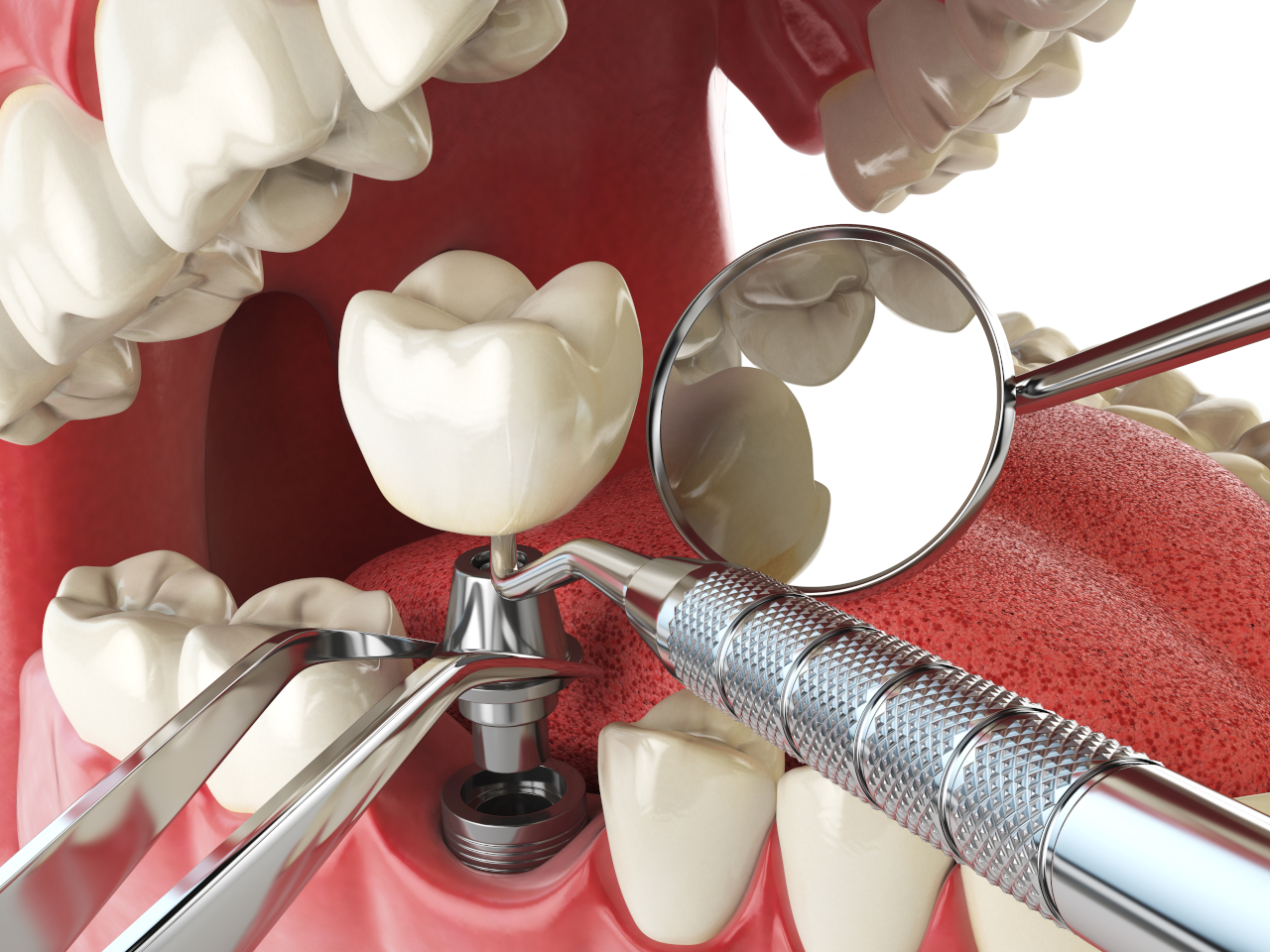

Do I Need a Dental Filling? 8 Signs a Cavity May Need Treatment
A small cavity can be surprisingly easy to overlook. In fact, tooth decay does not always cause immediate pain, which means a tooth may need attention long before it becomes uncomfortable. However, when decay continues to spread, it can weaken more of the tooth and eventually lead to sensitivity, infection, or the need for more extensive dental treatment.
If you suspect you have a cavity, dental fillings in Woodbridge, VA can help repair areas damaged by tooth decay while preserving healthy portions of the natural tooth. At Dedicated Smiles, dental fillings are used as part of restorative care to rebuild damaged teeth, restore comfortable function, and help prevent a relatively small dental concern from becoming a larger one.
What Is a Dental Filling?
A dental filling is a restoration used to repair a tooth after an area of decay or damage has been removed. The filling material replaces the missing portion of the tooth, helping restore its shape and function.
Cavities develop when acids produced by bacteria contribute to the breakdown of tooth structure. At first, the changes may be limited to the outer enamel. However, as decay progresses deeper into the tooth, treatment becomes increasingly important.
When a cavity is still small enough to be treated conservatively, a dental filling can remove the damaged portion and restore the area without covering the entire tooth. Therefore, dental fillings often play an important role in preserving as much healthy tooth structure as possible.
However, not every damaged tooth can be repaired with a filling. If a cavity is very large, the tooth is significantly fractured, or substantial structure has already been lost, another restoration such as a dental crown may be more appropriate.
8 Signs You May Need a Dental Filling
1. Your Tooth Feels Sensitive to Cold
Does a sip of ice water suddenly make one tooth stand out from the rest? Sensitivity to cold can have several causes, but tooth decay is one possibility.
As enamel becomes damaged, the more sensitive layers underneath may become exposed to temperature changes. Therefore, a tooth that consistently reacts to cold drinks, ice cream, or other chilled foods should be evaluated.
Temporary sensitivity does not automatically mean you have a cavity. Gum recession, worn enamel, grinding, and other dental conditions can cause similar symptoms. Nevertheless, an examination can help determine whether dental fillings are needed.
2. Sweet Foods Cause Sensitivity or Discomfort
A tooth that becomes uncomfortable after eating candy, desserts, or other sweet foods may have an area that needs attention. Cavities can create changes in the tooth that make certain foods more noticeable.
If the same tooth repeatedly reacts to sweets, do not assume that brushing more thoroughly for a few days will reverse an established cavity. Once tooth structure has been physically damaged by decay, restorative treatment may be needed.
Dental fillings in Woodbridge, VA can repair cavities after the decayed portion has been removed, helping restore the tooth before additional structure becomes involved.
3. You Notice a Dark Spot or Visible Hole
Some cavities can eventually become visible. You might notice a darkened area, a small pit, or an opening in the surface of a tooth.
However, appearances can be misleading. Not every dark spot is active decay, and many cavities develop in places that are impossible to see clearly at home. For example, decay can form between neighboring teeth where a mirror cannot provide a useful view.
Therefore, visible changes are worth mentioning to your dentist, but the absence of a visible hole does not guarantee that every tooth is cavity-free.
4. Food Keeps Getting Stuck in the Same Place
Occasionally getting food between teeth is common. However, if food repeatedly packs into the same area, there may be a change in the tooth surface, contact between neighboring teeth, or an existing restoration.
A cavity between teeth can alter the shape of the contact area and create a place where food collects more easily. Over time, trapped food and plaque can also make the gums in that area irritated or tender.
Because several dental problems can cause food trapping, an examination is the best way to determine whether a dental filling or another type of care is appropriate.
5. Floss Tears or Catches Around One Tooth
Floss should generally move between teeth and along their surfaces without repeatedly shredding in the same location. If floss frequently catches, tears, or frays around a particular tooth, a rough edge may be present.
That roughness could come from tartar, a damaged filling, a chipped tooth, or decay. Consequently, it is helpful to tell your dental team exactly where the problem occurs.
If tooth decay is responsible, dental fillings can rebuild the damaged area and restore a smoother tooth contour.
6. You Have a Mild Toothache That Keeps Returning
Dental pain does not always begin as an intense toothache. A cavity may initially create mild discomfort that comes and goes. For example, you might notice a dull ache after eating or a tooth that simply feels different from the surrounding teeth.
Waiting until pain becomes severe can allow the underlying problem to progress. Therefore, recurring discomfort is a good reason to schedule an examination even if the tooth feels normal between episodes.
When decay is identified before it reaches the inner pulp of the tooth, a filling may be enough to restore the damaged area. However, deeper decay may require more extensive treatment.
7. An Existing Filling Feels Rough, Loose, or Broken
Dental fillings are designed for long-term function, but no restoration lasts forever. Years of chewing, grinding, temperature changes, and normal wear can affect restorative materials.
You may notice that part of an older filling feels rough or appears to be missing. In other cases, the tooth may suddenly become sensitive when the filling no longer seals or protects the area as intended.
A damaged filling should be evaluated promptly because the natural tooth around or underneath it may be vulnerable to additional damage or decay.
Sometimes the solution is simply replacing the filling. However, if significant tooth structure has been lost, a larger restoration may be recommended.
8. Your Dentist Finds a Cavity Before You Have Symptoms
One of the most important things to understand about cavities is that they can exist without causing noticeable symptoms. This is why routine dental examinations remain valuable even when your teeth feel completely comfortable.
Your dentist can examine areas that are difficult to see at home and may use dental imaging when appropriate to evaluate surfaces between teeth or beneath existing restorations.
Finding decay earlier may allow treatment to remain more conservative. Therefore, needing a dental filling before you experience pain is not unusual. In many cases, that is exactly when you would prefer the problem to be identified.
Benefits of Dental Fillings
Dental fillings offer a conservative way to repair many teeth affected by cavities or minor structural damage. When a filling is appropriate for the condition of the tooth, potential advantages include:
- Removes damaged tooth structure: Decayed material is removed before the tooth is restored.
- Helps stop a cavity from progressing: Treating the affected area can prevent decay from continuing deeper into that portion of the tooth.
- Preserves healthy tooth structure: A filling repairs the damaged area without necessarily covering the entire tooth.
- Restores chewing function: Rebuilding the shape of the tooth can make normal biting and chewing more comfortable.
- Can reduce cavity-related sensitivity: Restoring an affected area may help protect sensitive internal tooth structure.
- Rebuilds damaged areas: Dental fillings can repair selected small chips, worn areas, or cavities depending on the condition of the tooth.
- Offers tooth-colored options: Modern filling materials can be selected to blend more naturally with surrounding tooth structure.
- May prevent more extensive treatment: Repairing a cavity while it remains relatively small may reduce the chance that the tooth later requires a larger restoration.
What Happens If You Ignore a Cavity?
A cavity does not remain the same size indefinitely. Once decay has created physical damage to the tooth, brushing and flossing can help control plaque but cannot rebuild the missing tooth structure.
Instead, decay may continue through the enamel and into the underlying dentin. At that point, sensitivity may become more noticeable because dentin is less protective than enamel.
If bacteria eventually reach the pulp at the center of the tooth, inflammation or infection can develop. Consequently, a cavity that might once have required a dental filling may later need root canal treatment and a crown.
In particularly advanced cases, the tooth may become too damaged to restore predictably and may require extraction.
Therefore, dental fillings are most conservative when decay is discovered and treated before extensive portions of the tooth are affected.
Are Tooth-Colored Dental Fillings Available?
Many dental fillings today can be created using tooth-colored restorative materials. Composite resin can be matched to the general shade of the surrounding tooth, allowing the restoration to blend into the smile more naturally than traditional silver-colored materials.
Tooth-colored dental fillings can be used in many front and back teeth. However, the best material depends on the location and size of the cavity, chewing forces, moisture control, existing restorations, and other individual considerations.
Therefore, patients should not assume that one filling material is automatically best for every tooth. Your dentist can explain the available options and recommend an approach based on function as well as appearance.
Dental Filling or Dental Crown: What Is the Difference?
Both dental fillings and dental crowns restore damaged teeth, but they cover different amounts of tooth structure.
A filling replaces a localized portion of the tooth. Therefore, it is generally considered when enough healthy natural structure remains to support the restoration.
A dental crown covers the visible portion of the tooth above the gumline and provides more extensive reinforcement. Crowns may be considered when a cavity or fracture has weakened a larger percentage of the tooth.
For example, repeatedly replacing a very large filling may not always be the most predictable approach if only thin walls of natural enamel remain. In that situation, a crown may distribute chewing forces more effectively.
The purpose of the examination is to determine how much healthy tooth remains and choose a restoration appropriate for that specific situation.
What Can You Expect When Getting a Dental Filling?
The appointment begins by identifying the area that requires treatment and determining the appropriate restorative approach. When necessary, the tooth is numbed to keep the procedure comfortable.
Next, the damaged or decayed portion of the tooth is carefully removed. The area is cleaned and prepared for the restorative material.
The dental filling is then placed and shaped to rebuild the missing portion of the tooth. With tooth-colored composite fillings, the material is typically added and hardened in controlled stages.
Finally, your dentist adjusts the restoration so the tooth fits comfortably with the opposing teeth when you bite. The filling is also shaped and polished so the repaired area feels as smooth and natural as possible.
After the appointment, temporary sensitivity can occur in some cases. However, if your bite feels noticeably uneven, discomfort becomes more intense, or the tooth continues to feel unusual, contact the dental office for guidance.
How Long Do Dental Fillings Last?
The lifespan of dental fillings varies. Factors such as the filling material, size of the restoration, location of the tooth, oral hygiene, diet, and bite forces all influence how a restoration wears over time.
For example, a small filling may experience different forces than a large restoration covering much of the chewing surface of a molar. Likewise, patients who grind or clench their teeth can place additional pressure on fillings and natural tooth structure.
Regular dental examinations allow your dentist to monitor existing dental fillings for cracks, wear, leakage, or changes around their edges. As a result, a worn restoration can often be identified before it develops into an urgent problem.
Can You Prevent Future Cavities?
No preventive routine can guarantee that a person will never develop a cavity. However, consistent oral hygiene can significantly improve your ability to control the plaque and bacteria associated with tooth decay.
Brush your teeth thoroughly twice each day using fluoride toothpaste. In addition, clean between your teeth every day because toothbrush bristles cannot effectively reach every contact area.
Routine professional cleanings and dental exams also matter. They give your dental team an opportunity to remove deposits that home brushing misses and identify areas that may require closer attention.
Dietary habits can also influence cavity risk. Frequent exposure to sugary or acidic foods and beverages gives oral bacteria more opportunities to produce acids. Therefore, limiting repeated snacking and sipping throughout the day can be helpful.
Most importantly, do not wait for severe pain before having a suspicious tooth examined. Cavities are often easier to manage when they are smaller.
When Should You Schedule an Appointment?
Consider scheduling a dental evaluation if you notice recurring sensitivity, pain while eating, a visible spot or opening, floss that repeatedly catches, a broken filling, or any other unexplained change in a tooth.
However, you do not need to wait for symptoms. Routine examinations can identify some cavities before they become uncomfortable.
If you develop significant swelling, severe pain, fever, facial swelling, or another rapidly worsening dental concern, seek prompt dental attention rather than waiting for a routine appointment.
Repair a Small Problem Before It Becomes a Bigger One
A cavity may start small, but leaving tooth decay untreated gives it more opportunity to involve deeper layers of the tooth. Dental fillings provide a conservative way to remove damaged structure, rebuild the affected area, and help preserve the natural tooth when a filling is still an appropriate treatment option.
If you think you may need dental fillings in Woodbridge, VA, visit Dedicated Smiles at 2970 Prince William Pkwy, Woodbridge, VA 22192. Call Us Today at (703) 583-7720 to book an appointment and have the tooth evaluated before a small cavity has the opportunity to become a larger dental problem.