A damaged tooth does not always need to be removed. In many cases, the better question is whether enough healthy tooth structure remains to protect and restore. Dental crowns can strengthen teeth that have become weakened by decay, fractures, large fillings, or previous treatment, allowing patients to preserve natural teeth while restoring comfortable function.
At Dedicated Smiles, dental crowns in Woodbridge, VA are customized to cover and reinforce teeth that need more protection than a filling can provide. Because every damaged tooth is different, the decision to recommend a crown depends on the amount of remaining tooth structure, the location of the damage, your bite, and the long-term needs of your smile.
What Is a Dental Crown?
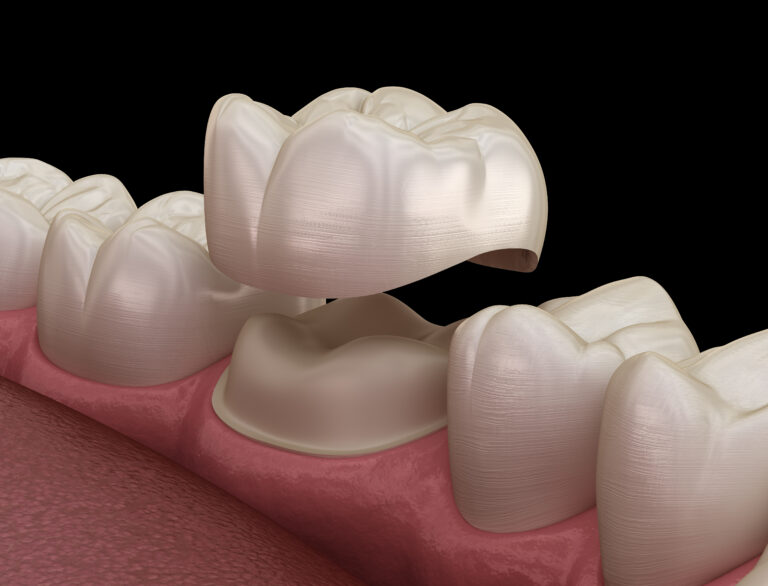
A dental crown is a restoration that covers the visible portion of a tooth above the gumline. You may also hear it called a dental cap. Instead of filling only one small area, a crown surrounds the tooth to restore its shape, strength, size, and chewing surface.
Dental crowns are highly versatile. For example, they can strengthen a tooth weakened by a large cavity, protect a tooth after root canal treatment, restore a fractured tooth, support a bridge, or complete a dental implant. In addition, tooth-colored crown materials can be selected to blend naturally with neighboring teeth.
Therefore, dental crowns are not used for only one type of problem. They are part of restorative dentistry because they can address both structural and functional concerns while also considering appearance.
When Is a Dental Crown Better Than a Filling?
A filling repairs a specific area of a tooth after decay or damaged material has been removed. When the remaining tooth structure is strong enough, a filling may provide an excellent solution. However, larger areas of damage can leave the tooth vulnerable to cracking under normal chewing pressure.
At that point, a dental crown may provide more comprehensive protection because it surrounds the weakened tooth rather than replacing only the missing section. Your dentist considers factors such as how much healthy enamel remains, where the damaged area is located, whether the tooth has already been restored several times, and how much force it receives during chewing.
In other words, the goal is not to place the largest restoration possible. Instead, the goal is to select an appropriate restoration that protects as much healthy tooth structure as possible while creating reliable function.
Common Reasons You May Need Dental Crowns
A Large Cavity Has Weakened the Tooth
Small and moderate cavities can often be repaired with fillings. However, when decay affects a substantial portion of a tooth, there may not be enough strong structure left to reliably support a large filling. A dental crown can surround the weakened tooth and help distribute biting pressure over a broader area.
A Tooth Is Cracked or Fractured
Cracks can occur after trauma, biting something unexpectedly hard, or years of accumulated stress. In addition, teeth with large older fillings may become more vulnerable because less natural tooth structure remains.
Depending on the location and depth of a crack, dental crowns can help hold the remaining tooth together and protect it during chewing. However, some fractures extend too far beneath the gumline or into the root to be predictably restored. Therefore, a dental examination is necessary to determine whether a crown is appropriate.
You Have Completed Root Canal Treatment
Root canal treatment is designed to preserve a tooth when the pulp inside becomes infected or severely inflamed. After treatment, certain teeth may require additional protection because the remaining structure can be more susceptible to fracture.
Dental crowns are commonly used to restore strength and chewing function after root canal therapy, particularly on back teeth that absorb substantial biting forces. The specific recommendation depends on the tooth and how much structure remains.
An Existing Filling Is Very Large
Fillings do not last forever, and teeth with extensive fillings sometimes have only thin walls of natural enamel remaining. If one of those walls begins to crack or the filling requires replacement, another filling may no longer provide adequate reinforcement. In that situation, a dental crown may offer more complete coverage.
A Tooth Is Severely Worn
Grinding, clenching, bite patterns, and other factors can gradually wear down enamel. If a tooth loses significant structure, its shape and ability to function comfortably may change. Dental crowns can sometimes rebuild severely worn teeth as part of a carefully planned restorative approach.
A Dental Implant Needs Its Visible Restoration
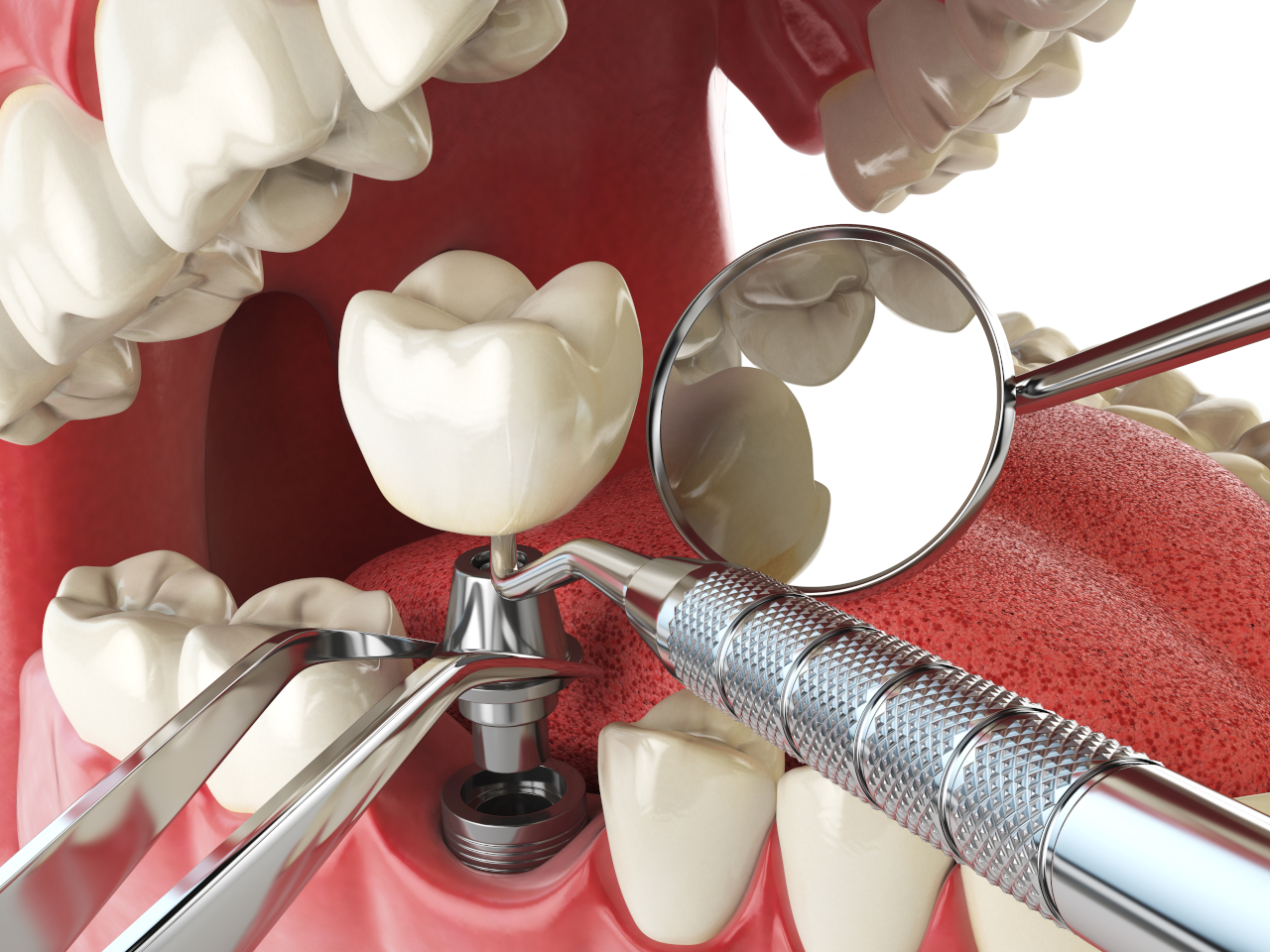
A dental implant replaces the root portion of a missing tooth. Once the implant is ready to be restored, a crown can be attached above it to create the visible tooth replacement. Although an implant crown does not cover a natural tooth, it serves as the functional and cosmetic portion you see when smiling and use when chewing.
A Dental Bridge Needs Support
Traditional dental bridges can use crowns on neighboring teeth to support a replacement tooth. Therefore, crowns can play an important role not only in repairing individual teeth but also in replacing teeth that are already missing.
Benefits of Dental Crowns
When properly selected for the situation, dental crowns can offer several important advantages:
- Strengthens weakened teeth: A crown surrounds compromised tooth structure and provides reinforcement during normal biting and chewing.
- Restores function: Rebuilding the shape of a damaged tooth can make eating more comfortable and predictable.
- Protects after certain treatments: Dental crowns can provide additional coverage after root canal treatment or extensive restorative work.
- Repairs visible damage: Crowns can restore teeth that have lost substantial structure because of fractures, wear, or decay.
- Complements natural teeth: Tooth-colored materials can be selected with the goal of creating a natural appearance within the surrounding smile.
- Supports other restorations: Crowns may be used with dental bridges and dental implants as part of broader tooth replacement treatment.
- Helps preserve natural teeth: When a damaged tooth is still restorable, a crown may allow it to remain functional rather than being removed.
What Happens During the Dental Crown Process?
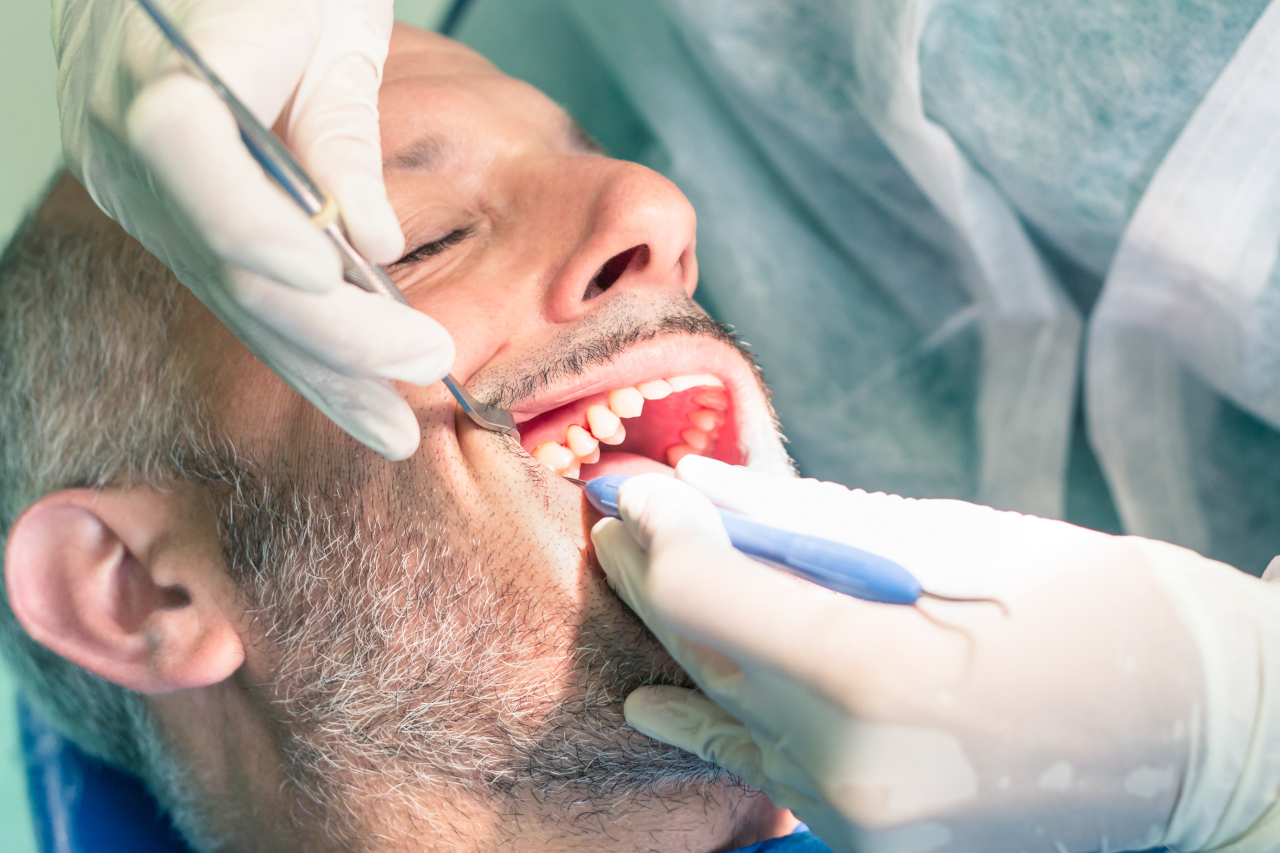
The process starts with a dental examination. Your dentist evaluates the tooth, surrounding gums, bite, and any existing restorations. Dental images may also be used when additional information is needed about the roots or internal tooth structure.
If a dental crown is recommended, damaged or decayed material is removed and the tooth is shaped to create space for the restoration. Measurements or impressions are then taken so the crown can be made to fit the prepared tooth and coordinate with your bite.
Depending on the crown process being used, a temporary restoration may protect the tooth while the final crown is prepared. Once the custom crown is ready, your dentist checks its fit, contact with neighboring teeth, bite, and appearance before securing it in place.
Afterward, the restored tooth should be treated much like your other teeth. Regular brushing, flossing, professional cleanings, and examinations remain essential because the natural tooth underneath the crown still requires care.
What Are Dental Crowns Made From?
Different materials can be used to create dental crowns. The best choice depends on the location of the tooth, the forces it receives, aesthetic preferences, and other individual factors.
Porcelain and other tooth-colored materials are popular because they can mimic the appearance of natural enamel. Meanwhile, some crowns combine ceramic appearance with a metal substructure. Metal alloys may also be considered in selected situations where durability and function are priorities.
Your dentist can explain the advantages and limitations of available options. Therefore, choosing a crown material is not simply about selecting the strongest or brightest material. It involves balancing appearance, function, remaining tooth structure, bite forces, and long-term treatment goals.
Will a Dental Crown Look Natural?
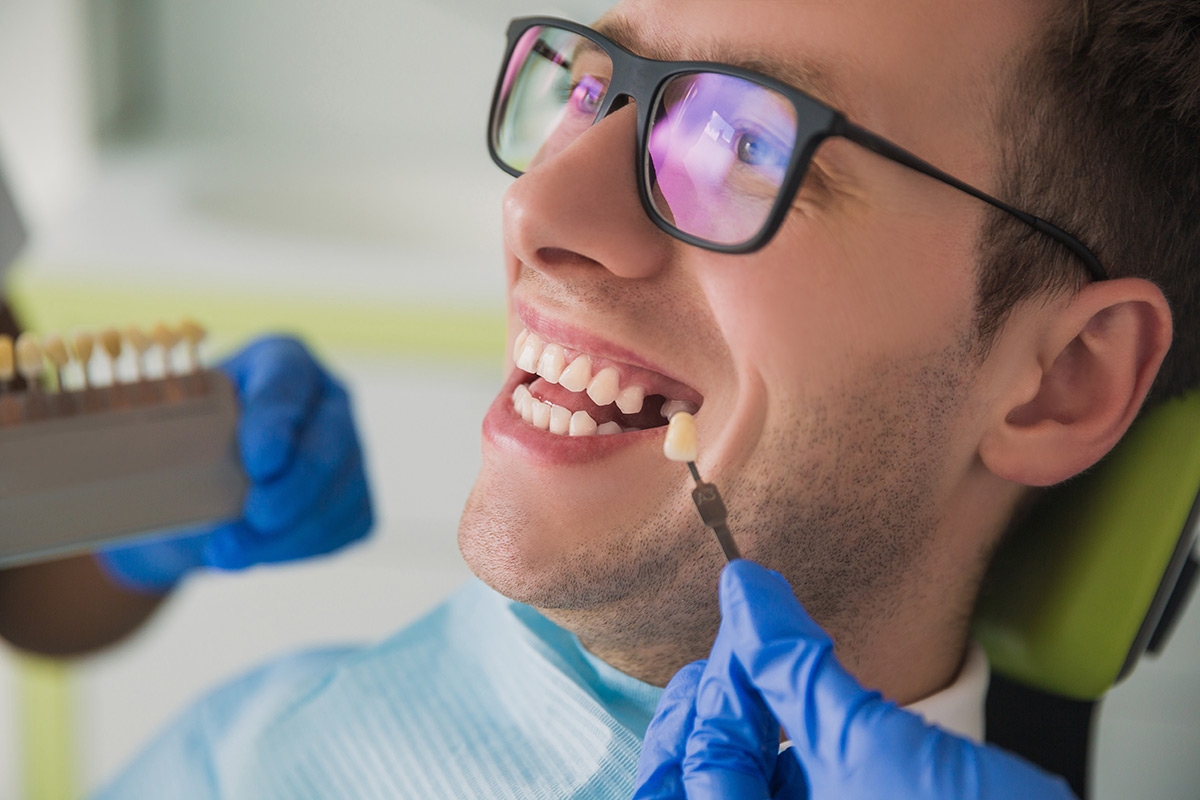
Modern dental crowns can be designed to coordinate with the color, proportions, and shape of neighboring teeth. However, creating a natural-looking result involves more than selecting a shade.
The contour of the crown, its relationship with the gumline, how light reflects from the surface, and its alignment with nearby teeth all influence the overall appearance. As a result, careful planning is particularly important for crowns placed toward the front of the smile.
Patients considering broader improvements can also explore Dedicated Smiles’ restorative and cosmetic services. Nevertheless, the aim of a crown is generally to restore a tooth in a way that feels appropriate for that individual’s smile rather than creating an artificial or overly uniform appearance.
How Long Do Dental Crowns Last?
No dental restoration has a guaranteed lifespan. However, good oral hygiene and routine dental care can help dental crowns remain functional for many years. Longevity depends on factors such as crown material, bite forces, grinding habits, oral hygiene, diet, and the health of the underlying tooth.
For example, someone who clenches or grinds during sleep may place greater stress on a crown. In such cases, the dentist may discuss protective options such as a night guard. Similarly, recurrent decay near the crown margin can affect the natural tooth beneath the restoration, which is why brushing and flossing continue to matter.
How Do You Care for a Dental Crown?
Brush crowned teeth thoroughly twice each day using a fluoride toothpaste, and clean between teeth consistently. Flossing around the crown helps remove plaque near the gumline and between adjacent teeth, areas a toothbrush cannot clean effectively on its own.
In addition, avoid routinely using teeth as tools to open packages, bite fingernails, or chew hard nonfood objects. These habits can damage natural teeth as well as restorations.
If a crown feels loose, breaks, or suddenly changes the way your bite comes together, contact your dentist rather than waiting for the problem to resolve on its own. Likewise, persistent pain or swelling deserves professional attention.
Does Every Cracked or Damaged Tooth Need a Crown?
No. Dental treatment should be based on the condition of the individual tooth. Some teeth can be repaired conservatively with bonding or fillings. Others require a crown because the remaining structure needs greater reinforcement. In more severe situations, damage may extend too deeply for a crown to provide a predictable restoration.
Therefore, an examination is the most useful way to determine what a particular tooth needs. The dentist can assess the extent of damage and explain available treatment options, including why one approach may provide better long-term protection than another.
Restore Strength and Function to a Damaged Tooth
A cracked, heavily filled, decayed, or weakened tooth does not necessarily have to become a larger problem. Dental crowns can protect vulnerable teeth, rebuild chewing surfaces, and help preserve natural tooth structure when more coverage is needed than a filling can provide.
If you think you may need dental crowns in Woodbridge, VA, visit Dedicated Smiles at 2970 Prince William Pkwy, Woodbridge, VA 22192. Call Us Today at (703) 583-7720 or contact Dedicated Smiles to book an appointment and learn which restorative option may be appropriate for your tooth.