
Dental braces are an essential tool for achieving a straight, healthy smile. At Dedicated Smiles, we understand that while braces improve teeth alignment over time, maintaining proper oral hygiene during treatment is crucial. Without proper care, braces can trap food and bacteria, increasing the risk of cavities, gum disease, and staining. In this guide, we’ll explain practical ways to keep your braces clean and ensure a smooth orthodontic journey, while subtly mentioning treatments that support long-term oral health.
Why Maintaining Dental Braces Hygiene Matters
Keeping dental braces clean is not just about aesthetics; it’s about oral health. Plaque and food particles can get stuck in brackets and wires, leading to:
- Tooth decay and cavities
- Gum inflammation or gum disease
- Bad breath
- White spots or staining on teeth
Proper care can prevent these issues and make the entire dental braces experience more comfortable.
Daily Brushing Techniques for Dental Braces
Brushing your teeth with dental braces requires special attention. Follow these tips to maintain optimal hygiene:
- Use a soft-bristled toothbrush: Soft bristles prevent damage to wires and gums.
- Brush at a 45-degree angle: Angle the brush toward the gum line to remove trapped food particles.
- Brush after every meal: This prevents plaque buildup and staining.
- Focus on each tooth individually: Move slowly to clean around brackets and wires thoroughly.
- Use a fluoride toothpaste: Fluoride strengthens enamel and protects teeth from cavities.
Keeping your teeth healthy during braces treatment also ensures your gums and bone structure remain strong, which may be beneficial for procedures like bone grafting later in life.
Flossing with Dental Braces
Flossing is more challenging with braces but essential for preventing gum disease. Consider these methods:
- Floss threaders: Guide floss under wires to clean between teeth.
- Special orthodontic floss: Designed for easier maneuvering around braces.
- Water flossers: Use a stream of water to remove plaque and debris effectively.
Regular flossing keeps gums healthy and reduces the risk of inflammation or infection.
Using Interdental Brushes
Interdental brushes are small, cone-shaped brushes that clean the spaces between brackets and wires. They are ideal for removing stubborn food particles and plaque that regular brushing may miss. Tips for using them:
- Insert gently between braces and teeth.
- Move in a circular motion to dislodge debris.
- Use daily as a supplement to brushing and flossing.
Mouth Rinses for Braces Care
Mouth rinses can enhance oral hygiene while wearing dental braces. Antiseptic or fluoride rinses help:
- Reduce plaque and bacteria
- Strengthen tooth enamel
- Keep breath fresh
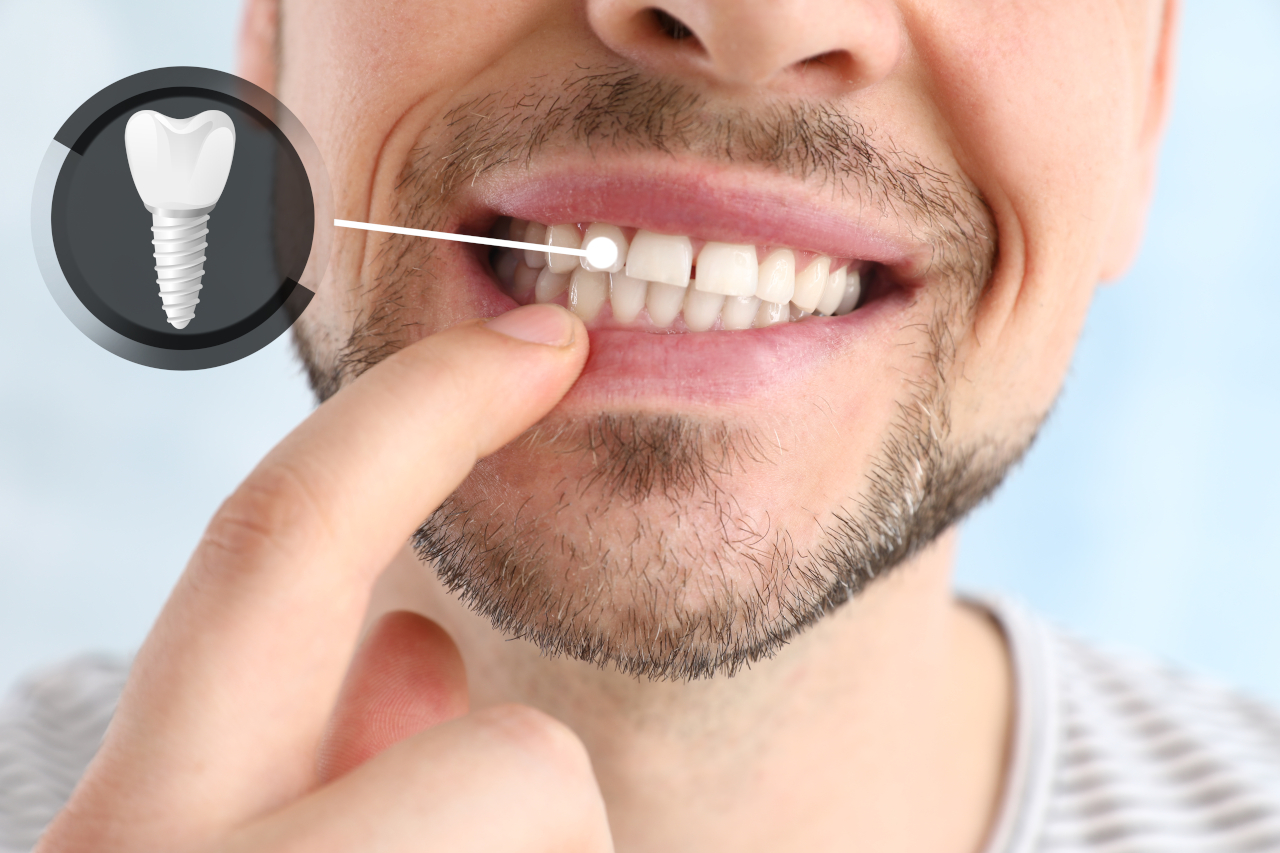
Rinsing after brushing or meals ensures areas that are hard to reach with a toothbrush or floss are cleaned. Maintaining proper oral hygiene now also supports a healthy foundation for treatments like dental implants in the future.
Foods to Avoid With Dental Braces
Certain foods can damage dental braces or make cleaning more difficult. Avoid:
- Sticky foods like caramel or chewing gum
- Hard foods like nuts, ice, or hard candies
- Crunchy snacks like popcorn
- Sugary foods that contribute to cavities
Safe Foods for Braces
- Soft fruits and vegetables
- Dairy products like yogurt and cheese
- Cooked grains and pasta
- Tender meats
Quick Tips for Eating With Braces
- Cut hard foods into smaller pieces
- Chew slowly and carefully
- Rinse your mouth after snacking
Managing Discomfort and Irritation
Dental braces may cause soreness or irritation in the early stages or after adjustments. Ways to manage discomfort:
- Rinse with warm salt water to soothe gums
- Use orthodontic wax to cover sharp brackets
- Take over-the-counter pain relief if necessary (consult your dentist)
Proper care reduces inflammation and helps maintain healthy teeth that may be enhanced with cosmetic dentistry after braces removal.
Regular Dental Checkups and Orthodontist Visits
Routine visits to your dentist and orthodontist are essential while wearing dental braces. These visits help to:
- Monitor the progress of teeth alignment
- Adjust wires and brackets as needed
- Detect early signs of cavities or gum issues
These checkups also prepare your mouth for future treatments such as overdentures if needed, ensuring proper alignment and oral health.
Common Mistakes to Avoid With Dental Braces
Many people unintentionally harm their dental braces or oral health by:
- Skipping brushing or flossing
- Eating forbidden foods
- Using hard brushes or applying too much pressure
- Missing orthodontic appointments
Avoiding these mistakes ensures a smoother and faster treatment experience and preserves teeth for any restorative treatments like dental implants in the future.
Also Read: – Professional Teeth Whitening and Its Key Benefits Explained
Travel and Braces Care

Even while traveling, dental braces need proper care. Essentials to carry:
- Travel-sized toothbrush and toothpaste
- Floss threaders or orthodontic floss
- Interdental brushes
- Orthodontic wax for emergencies
Maintaining oral hygiene on the go prevents complications and keeps your treatment on track.
Benefits of Proper Braces Maintenance
Maintaining dental braces cleanliness not only prevents oral health problems but also:
- Reduces treatment time
- Improves final smile aesthetics
- Minimizes dental complications
- Ensures a more comfortable orthodontic experience
Proper braces care also ensures your teeth remain healthy for any future procedures by Dedicated Smiles,
Hidden CTA
If you want expert guidance on maintaining your Dental Braces and advice for future treatments, schedule a consultation with Dedicated Smiles today or Visit Our Clinic to protect your smile and oral health.
Conclusion
Caring for dental braces involves daily brushing, flossing, mindful eating, and regular professional checkups. Maintaining this routine ensures your teeth remain healthy, supporting additional treatments. Following these steps guarantees a smooth orthodontic journey and a strong, confident smile for years to come.