
When patients hear about dental implant treatment, one of the first concerns that comes to mind is the pain involved—both during the procedure and throughout recovery. While the thought of surgery may sound intimidating, modern dentistry has advanced in ways that make this process much smoother than many expect. Understanding what level of discomfort is normal, how long it lasts, and the best ways to manage it can give patients peace of mind before moving forward with implants.
This article provides an in-depth guide on what to expect during the healing journey, how pain compares to other dental procedures, and what dentists do to ensure comfort.
What Is Dental Implant Treatment?
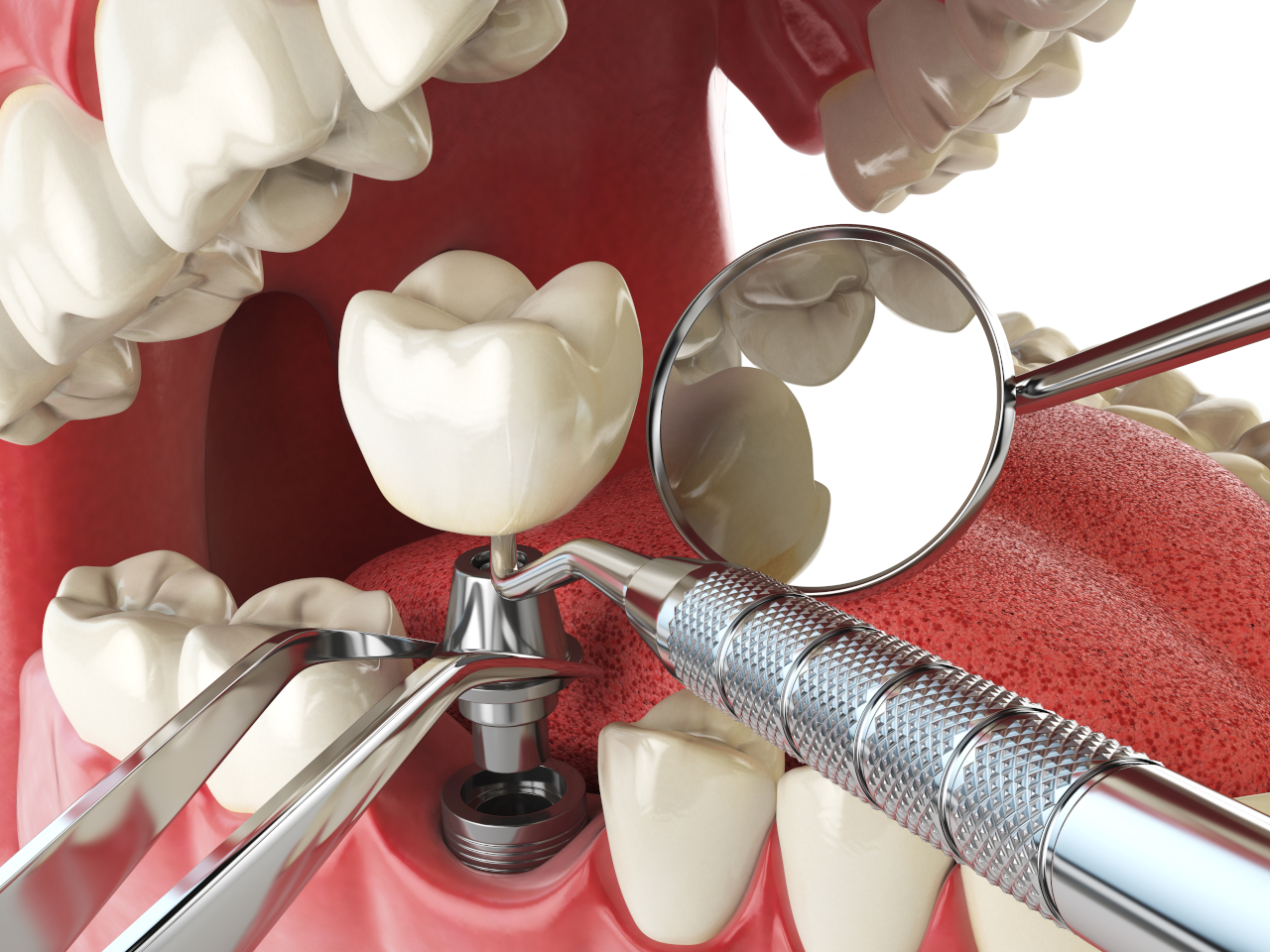
Dental implant treatment is a long-term solution for missing teeth. It involves placing a titanium post into the jawbone, which serves as an artificial root. Once healed, a crown, bridge, or denture is attached to restore function and appearance.
Patients often choose implants because they provide stability, prevent bone loss, and mimic the look and function of natural teeth. Although it requires surgery, it is widely recognized as one of the most reliable and durable dental solutions.
Do Dental Implants Hurt During the Procedure?
Many patients are surprised to learn that the actual surgical placement of implants is relatively painless. Local anesthesia is used to numb the area, and sedation options are available for those with higher levels of anxiety.
Compared to procedures like tooth extraction, root canal therapy, or even wisdom tooth removal, the implant procedure is often reported as more comfortable. Most patients feel only pressure or mild vibrations during the surgery rather than sharp pain.
The Truth About Pain During Recovery
While the procedure itself is not painful, post-surgery discomfort is expected. The body needs time to heal, and this involves swelling, tenderness, and sometimes minor bleeding.
However, this discomfort typically follows a predictable timeline:
- First 24–48 hours – Swelling, soreness, and minor bleeding may occur. Pain is usually mild to moderate and manageable with prescribed or over-the-counter medication.
- Days 3–5 – Swelling peaks and then begins to subside. Tenderness continues but gradually reduces.
- One week later – Stitches (if present) may dissolve or be removed. Most pain subsides significantly.
- 2–3 weeks – Discomfort is minimal, with occasional soreness depending on individual healing speed.
By following post-care instructions, most patients recover comfortably without major complications.
How Long Does Pain Last After Dental Implant Treatment?
Every patient heals differently, but most report noticeable improvement within the first week. Lingering soreness may last up to two weeks, while jawbone integration (osseointegration) takes several months. Importantly, pain does not last throughout the entire healing process—it typically subsides after the early stages.
Factors That Influence Pain Levels
Several factors determine how much pain a patient experiences after dental implant treatment:
- Number of implants placed
- Bone density and jaw condition
- Whether bone grafting or sinus lift surgery is required
- Patient’s overall health and healing ability
- Post-surgical care and compliance with dentist’s instructions
Managing Pain and Ensuring a Smooth Recovery
Dentists provide detailed aftercare instructions to help patients minimize discomfort. Here are effective ways to manage recovery:
- Take prescribed or recommended pain relief medication
- Apply ice packs to reduce swelling
- Eat soft foods such as soups, yogurt, or mashed vegetables
- Avoid smoking and alcohol, as they slow healing
- Maintain oral hygiene with gentle rinsing and careful brushing
- Rest adequately and avoid strenuous physical activity
These steps help shorten the healing period while reducing pain and inflammation.
Also Read:- Cosmetic Dentistry Clinic | Advanced Dental Treatments
Comparing Dental Implant Pain to Other Procedures
One of the best ways to understand implant pain is by comparing it to other dental treatments:
- Tooth extraction – Usually causes more discomfort afterward than implant placement.
- Root canal therapy – Pain prior to the procedure is often more intense than implant recovery.
- Wisdom tooth removal – Known for swelling and extended recovery compared to implants.
Most patients agree that implant discomfort is much less severe than expected.
Common Myths About Dental Implant Pain
There are several myths surrounding pain and implant surgery:
- Myth 1: Dental implants are unbearably painful.
- Fact: Most patients experience only mild to moderate discomfort.
- Myth 2: Recovery takes months of pain.
- Fact: Pain usually subsides within one to two weeks.
- Myth 3: Older patients feel more pain.
- Fact: Pain levels depend on health and healing ability, not just age.
- Myth 4: Over-the-counter medicine isn’t enough.
- Fact: In many cases, OTC pain relievers effectively manage discomfort.
By clearing these misconceptions, patients can approach treatment with confidence.
Healing Stages After Dental Implant Treatment
Understanding the stages of healing helps patients prepare mentally:
- Initial healing phase – Gums close around the implant site within weeks.
- Osseo integration phase – Jawbone fuses with the implant over several months.
- Restoration phase – The crown or prosthetic is placed once healing is stable.
At each stage, dentists monitor healing to ensure success.

Signs of Normal vs. Concerning Pain
It’s important to distinguish between normal recovery discomfort and symptoms that require professional attention:
- Normal pain: Soreness, swelling, and mild discomfort that lessens over time.
- Concerning pain: Severe swelling, excessive bleeding, persistent throbbing, or fever.
Patients experiencing unusual symptoms should contact their dentist promptly.
Long-Term Comfort After Implants
Once fully healed, implants function like natural teeth and do not cause pain. Unlike removable dentures, they do not create gum irritation or require adhesives. With proper care, they can last a lifetime, offering both comfort and confidence.
Why Choose Dedicated Smiles for Dental Implant Treatment
At Dedicated Smiles, we focus on patient comfort from consultation to recovery. Our team uses advanced technology and proven techniques to reduce discomfort, speed up healing, and achieve long-lasting results. Patients receive detailed aftercare support, ensuring that every stage of recovery is managed smoothly.
Conclusion
The truth is, dental implant treatment is not as painful as many imagine. While some discomfort is normal during the recovery phase, it is temporary and manageable with proper care. With today’s modern techniques and effective pain management, patients can expect a far more comfortable experience than expected.
Dental implants remain one of the most reliable ways to restore missing teeth, combining long-term durability with natural function.
If you are ready to learn more about dental implant treatment and the recovery process, reach out to Dedicated Smiles today. Our team is here to guide you through every step so you can restore your smile with confidence.
📍 You can also visit our clinic directly through Google Maps to plan your appointment with ease.