
Gum health is closely connected to overall oral stability, comfort, and long-term tooth support. When plaque and bacteria remain on tooth surfaces for too long, they gradually move beneath the gumline. As this happens, inflammation increases and the risk of periodontal disease rises. At that stage, brushing and routine cleanings no longer address the underlying problem. Instead, targeted periodontal care becomes necessary.
Patients today often hear about two primary treatment approaches: traditional deep cleaning and laser-based therapy. Both aim to reduce infection, yet each works differently. Understanding these differences allows patients to make informed choices based on health needs rather than trends.
This guide explains how Scaling and Root Planing compares with laser gum treatment, how each method supports healing, and when one option may be recommended over the other.
How Gum Disease Develops Over Time
Gum disease rarely appears overnight. Initially, plaque buildup causes mild irritation, redness, and bleeding during brushing. At this stage, the condition is often reversible with improved oral hygiene and professional cleanings. However, if bacteria are left untreated, they settle below the gumline and harden into tartar.
As a result, gums begin pulling away from the teeth, creating pockets where bacteria thrive. These pockets allow infection to spread deeper, affecting connective tissue and bone. Over time, teeth may loosen, sensitivity increases, and chewing becomes uncomfortable. Therefore, early intervention is essential to prevent long-term damage.
What Is Scaling and Root Planing?
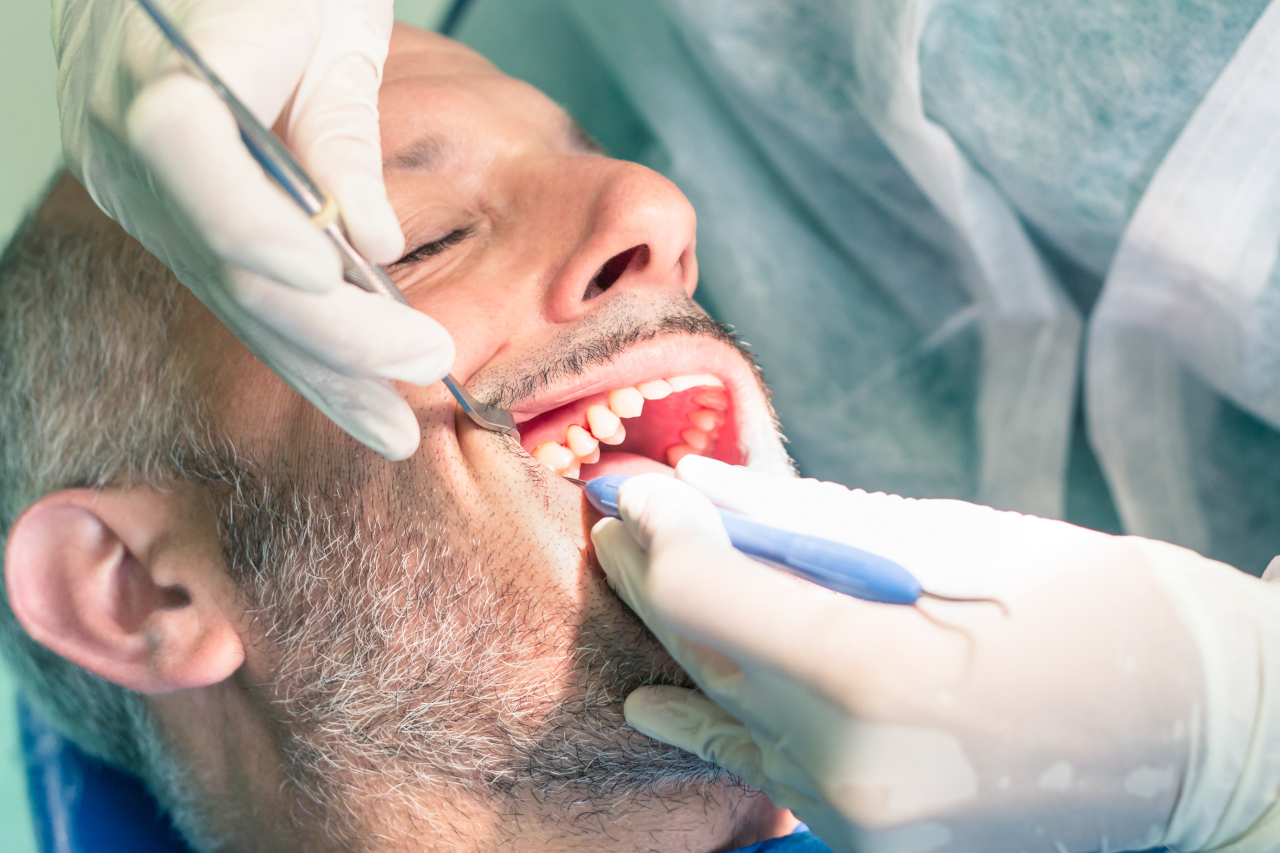
Scaling and Root Planing is a non-surgical periodontal procedure designed to remove plaque, tartar, and bacteria from beneath the gums. The treatment is performed in two phases. Scaling clears deposits from tooth surfaces and gum pockets, while root planing smooths the tooth roots to discourage future bacterial attachment.
Because it directly addresses the root cause of infection, this approach remains one of the most commonly recommended treatments for moderate gum disease. Additionally, smoothing the root surfaces allows the gums to reattach more effectively, supporting natural healing.
For a detailed explanation of the procedure and its benefits, visit:
👉 Root and Scaling Procedure: A Simple Solution for Gum Disease
How Laser Gum Treatment Works
Laser gum treatment uses concentrated light energy to remove infected tissue and reduce bacteria within gum pockets. Instead of manual instruments, the laser targets diseased areas while minimizing contact with surrounding tissue. Consequently, some patients experience less bleeding during the procedure.
However, lasers do not always remove hardened tartar from root surfaces. Because of this limitation, laser therapy is often used alongside traditional cleaning rather than as a standalone solution. Its effectiveness depends heavily on the severity of gum disease and the amount of buildup present.
Comparing Treatment Techniques and Outcomes
Although both treatments aim to control infection, their methods differ in meaningful ways. Traditional deep cleaning physically removes tartar and smooths roots, while laser therapy focuses on reducing bacteria and inflamed tissue.
- Scaling and Root Planing removes hardened deposits below the gumline
• Laser gum treatment targets infected tissue using light energy
• Traditional methods allow direct root surface smoothing
• Laser therapy may reduce bleeding in certain cases
This comparison shows why many dentists evaluate gum depth, bone levels, and plaque accumulation before recommending a specific approach.
Effectiveness for Long-Term Gum Stability

Long-term success depends on thorough bacterial removal and consistent maintenance. In many cases, Scaling and Root Planing delivers predictable results because it eliminates tartar that brushing cannot reach. Consequently, it remains a first-line treatment for periodontal disease.
Laser therapy may support healing in specific areas, especially when inflammation is present. However, without addressing hardened deposits, laser treatment alone may not fully control disease progression. For that reason, dentists often combine both techniques based on individual needs.
Comfort, Sensitivity, and Healing Time
Patient comfort is a common concern. Fortunately, both treatments are usually performed with local anesthesia to minimize discomfort. During treatment, patients may feel pressure rather than pain.
Afterward, mild soreness or sensitivity is common. With Scaling and Root Planing, gums gradually tighten as inflammation decreases. Laser treatment may feel gentler initially, although healing experiences vary. Following aftercare instructions plays a major role in recovery regardless of the method used.
Choosing the Right Treatment Option
The choice between traditional deep cleaning and laser therapy depends on several factors. These include pocket depth, bone loss, tartar buildup, and overall oral health. Dentists often recommend Scaling and Root Planing when root surfaces require direct cleaning.
Laser therapy may be suggested as a supportive option for targeted areas or specific cases. Rather than choosing based on popularity, patients benefit most from a personalized evaluation that considers both short-term comfort and long-term results.
The Role of Preventive and Restorative Services
Healthy gums support many other dental treatments. For example, Dental Fillings last longer when surrounding gum tissue remains stable and free of inflammation. When gums are unhealthy, bacteria can compromise restoration margins.
Similarly, Dental Sealants help protect teeth from plaque buildup, particularly in hard-to-reach areas. This added protection supports gum health by reducing bacterial accumulation along tooth surfaces.
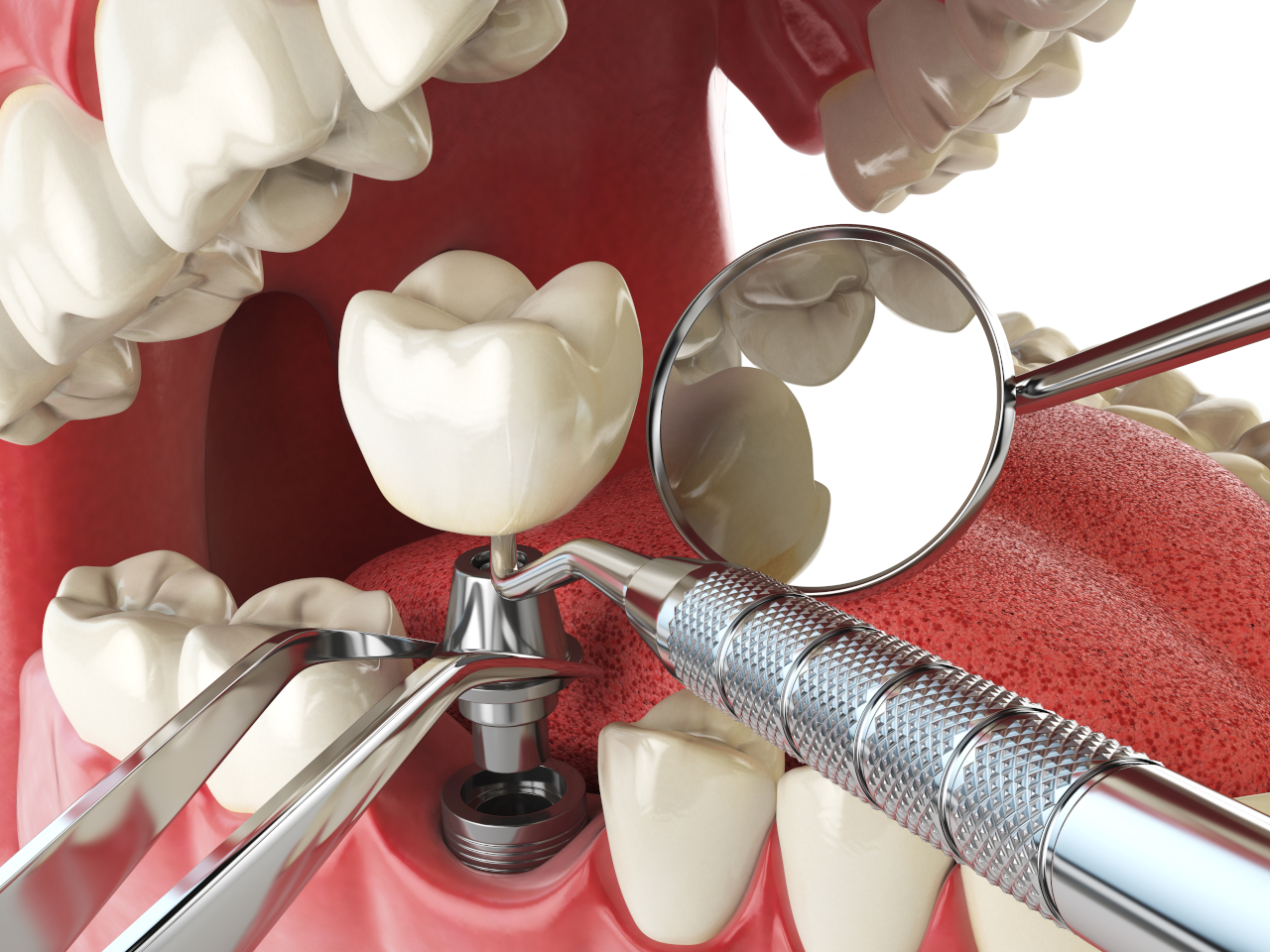
In addition, Dental Crowns rely on healthy gums to maintain proper fit and appearance. Treating gum disease before placing crowns helps ensure durability and comfort over time.
Why Maintenance Matters After Treatment
Periodontal therapy is not a one-time solution. Instead, ongoing care determines long-term success. Brushing, flossing, and routine professional cleanings help prevent bacteria from returning beneath the gumline.
Patients who maintain consistent oral hygiene and follow-up visits often experience stable gum health after Scaling and Root Planing. Regular monitoring also allows early intervention if inflammation returns, preventing the need for more advanced treatment.
Addressing Common Patient Concerns
Many patients delay treatment due to uncertainty or fear. However, untreated gum disease can progress silently, leading to tooth loss and bone damage. Addressing symptoms early supports better outcomes and reduces the need for complex procedures later.
Clear communication, gentle techniques, and individualized care plans help patients feel confident throughout treatment.
Experience and Consistency at Dedicated Smiles
At Dedicated Smiles, treatment decisions focus on proven methods, patient comfort, and long-term results. Rather than relying on trends alone, care plans are guided by clinical evaluation and patient education. Scaling and Root Planing remains a trusted option when performed with precision and followed by consistent maintenance.
Patients are encouraged to ask questions, understand their options, and take an active role in protecting their gum health.
Contact Dedicated Smiles
If bleeding gums, sensitivity, or persistent discomfort have become part of daily life, it may be time to seek professional guidance. A thorough evaluation can clarify whether traditional deep cleaning or supportive laser therapy fits your needs.
To learn more or schedule a visit, connect with Dedicated Smiles through our Google Business Profile. Taking the next step toward healthier gums can start quietly today, with guidance you can trust.