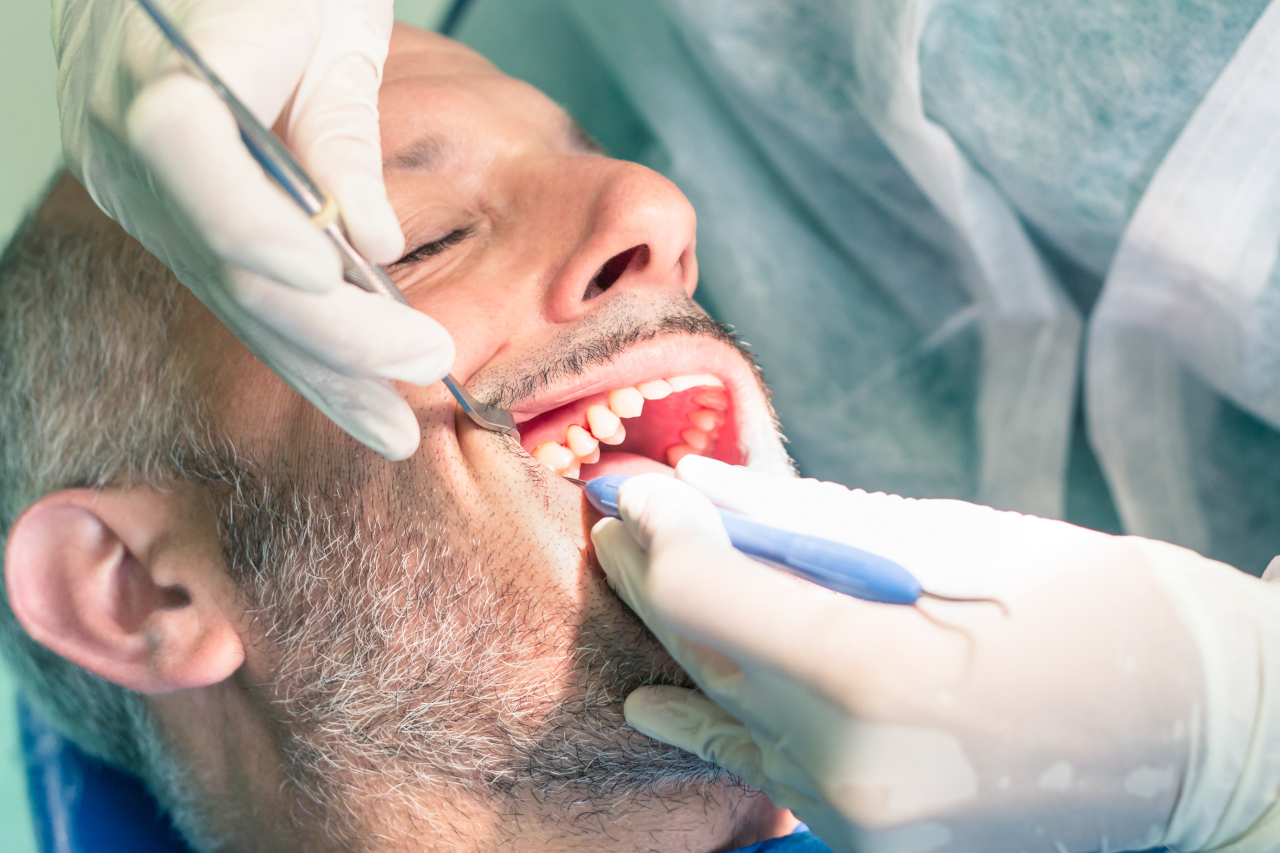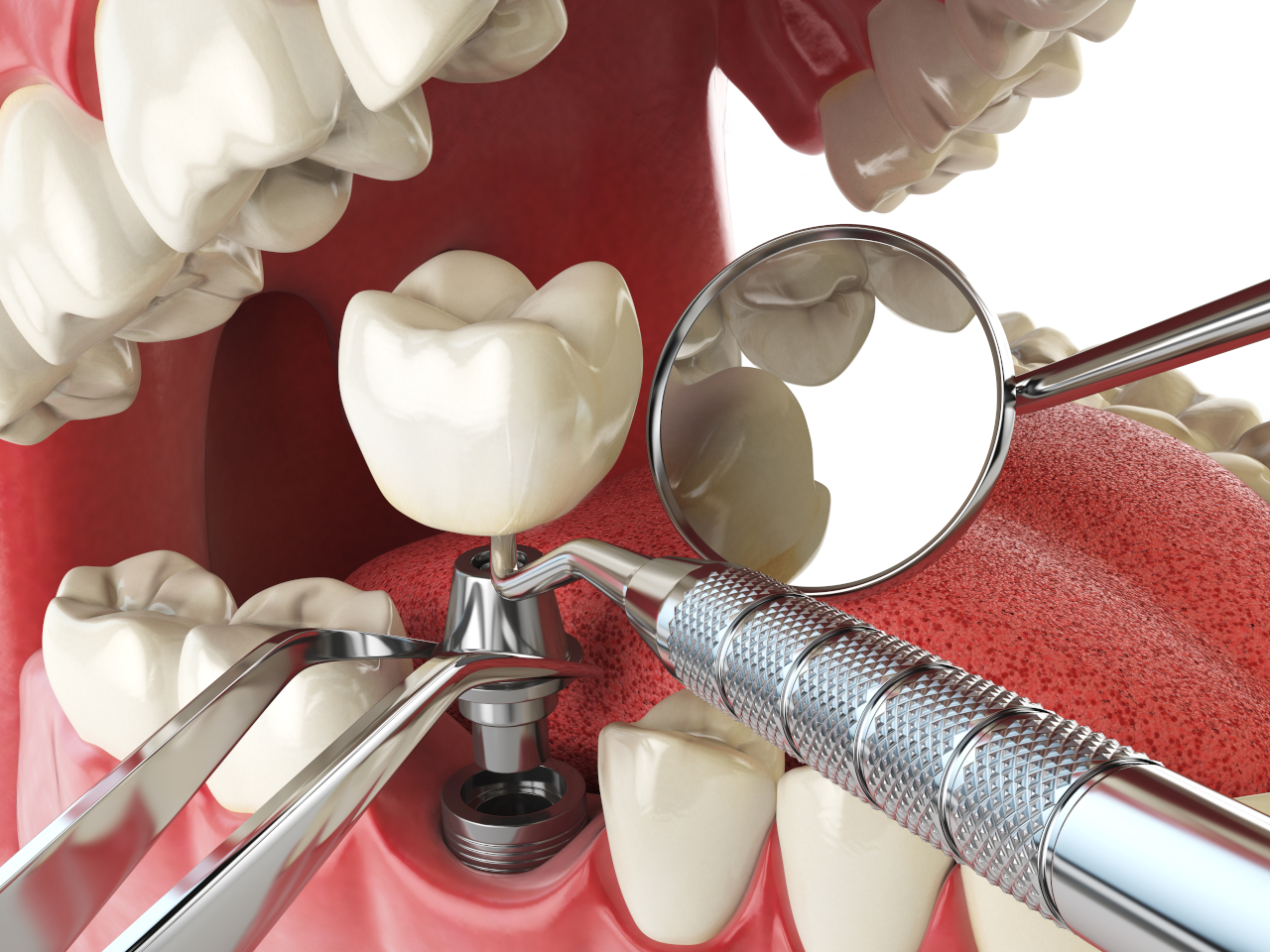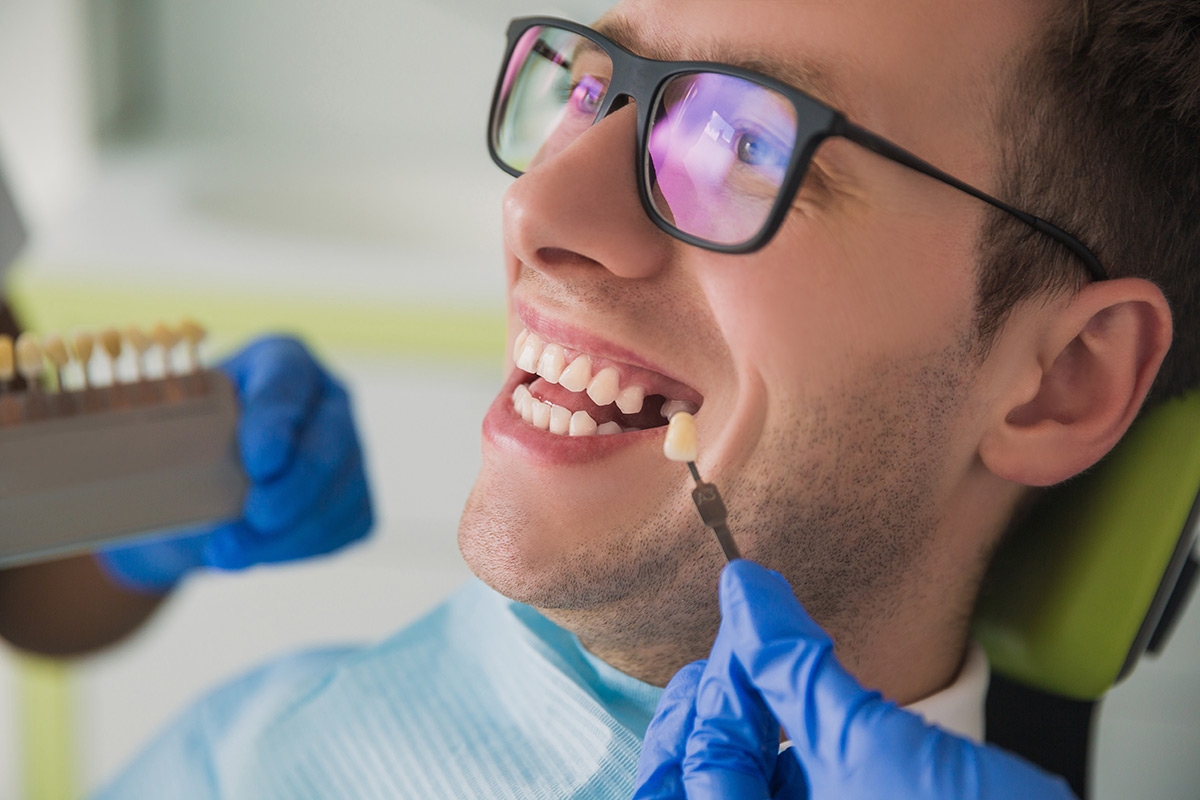

A tooth suddenly breaks during dinner. A dull toothache becomes intense overnight. A crown comes loose before an important meeting. When something unexpected happens to your teeth or gums, one of the hardest questions can be deciding whether the problem can wait or whether you should contact a dentist right away.
Dedicated Smiles provides emergency dental care in Woodbridge, VA for patients dealing with urgent dental concerns such as severe tooth pain, broken or chipped teeth, lost restorations, and dental injuries. Knowing what qualifies as a dental emergency can help you respond calmly, protect the affected tooth when possible, and avoid delaying care when prompt treatment matters.
What Is Considered a Dental Emergency?
A dental emergency is generally a problem involving the teeth, gums, restorations, or surrounding oral tissues that requires prompt professional attention because of significant pain, injury, infection, bleeding, or risk of additional damage.
However, not every dental problem has the same level of urgency. A small chip without discomfort may be different from a tooth that has been completely knocked out. Similarly, mild sensitivity may be monitored until an appointment is available, while facial swelling associated with a dental infection deserves much faster attention.
Therefore, if you are uncertain, contacting a dental office is usually the safest approach. The dental team can ask questions about what happened, explain what to do in the meantime, and determine how quickly you should be evaluated.
Common Reasons to Seek Emergency Dental Care
1. Severe or Persistent Tooth Pain
A toothache is one of the most common reasons patients seek emergency dental care. Pain can develop because of deep decay, infection, a crack, inflammation inside the tooth, gum problems, or another underlying condition.
Occasional mild sensitivity does not always require an emergency appointment. However, tooth pain that is severe, persistent, worsening, preventing sleep, or making it difficult to eat should be evaluated promptly.
Pain is your body’s way of signaling that something needs attention. Consequently, repeatedly covering the discomfort with over-the-counter medication without identifying the cause may allow the underlying dental problem to continue progressing.
2. A Broken or Cracked Tooth
Teeth can fracture after biting something hard, experiencing an accident, or because the tooth has already been weakened by decay or a large restoration.
A minor enamel chip may not always require immediate treatment. However, a larger break can expose sensitive internal tooth structure and increase the risk of additional fracture.
If a tooth breaks, avoid chewing on that side of the mouth until it can be evaluated. If you can locate a broken piece, keep it and bring it with you to the dental office.
Most importantly, do not assume that a painless cracked tooth is harmless. Some fractures can progress under repeated chewing pressure even when discomfort is initially minimal.
3. A Knocked-Out Permanent Tooth
A permanent tooth that has been completely knocked out requires immediate attention. This type of injury can occur during sports, falls, automobile accidents, or other impacts.
Handle the tooth carefully by the crown, which is the part that is normally visible above the gumline. Avoid touching or scrubbing the root surface.
If the tooth is dirty, gently rinse away visible debris without aggressively cleaning it. Contact a dentist immediately for instructions and emergency care.
Time can be important with this type of injury. Therefore, do not delay while waiting to see whether the area begins feeling better.
A knocked-out baby tooth is different from a knocked-out permanent tooth, so parents should still contact a dental professional promptly for guidance rather than attempting to treat the situation themselves.
4. Facial or Gum Swelling
Swelling around a tooth or along the gums may indicate infection or inflammation. In some cases, a patient notices a small bump near a tooth. In others, swelling becomes more widespread across the gum, cheek, or jaw.
Dental infections should not be ignored because they can extend beyond the original tooth. Therefore, swelling accompanied by significant tooth pain deserves prompt evaluation.
If facial swelling is rapidly increasing or is accompanied by difficulty breathing, difficulty swallowing, severe illness, or other concerning symptoms, seek emergency medical care immediately.
5. A Lost Dental Crown
A crown can occasionally loosen or come off, particularly if the restoration is older or if the underlying tooth has changed.
When this happens, the exposed tooth may become sensitive. In addition, leaving the area untreated for too long can create additional problems if the tooth shifts, fractures, or develops decay.
Keep the crown if you still have it and contact your dentist. Do not use household glue to attach it yourself. A dental professional needs to determine why the crown came loose and whether it can be safely reused or needs replacement.
6. A Lost or Broken Filling
A filling may fracture or come out because of normal wear, biting pressure, decay around the restoration, or trauma.
The affected tooth may suddenly feel sensitive to temperature, pressure, or sweet foods. In addition, the sharp edge of the remaining tooth can sometimes irritate the tongue or cheek.
A lost filling may not always produce severe pain, but the tooth should still be evaluated because its internal structure may have less protection than before.
7. An Injury to the Lips, Tongue, Cheeks, or Gums
Soft tissue injuries can produce significant bleeding because the mouth has a strong blood supply. Minor cuts may improve with gentle pressure, but deeper wounds or bleeding that does not stop require prompt attention.
If trauma involves the face or jaw, there may also be dental injuries that are not immediately visible. Therefore, a dental evaluation may be appropriate even when the teeth appear intact.
More serious head, neck, or facial trauma may require emergency medical evaluation first.
8. A Tooth Becomes Loose After an Injury
A permanent tooth can sometimes be pushed out of its normal position without being completely knocked out. It may appear longer, shorter, angled, or noticeably loose after an accident.
Do not repeatedly move or test the tooth. Instead, contact a dentist promptly. The surrounding bone, ligaments, root, and neighboring teeth may all need evaluation.
Even if the tooth does not hurt significantly, trauma can affect structures beneath the surface. Consequently, professional assessment is important.
Benefits of Emergency Dental Care
Prompt emergency dental care can help protect oral health and reduce the chance that an urgent problem becomes even more complicated. Depending on the dental emergency, potential advantages include:
- Faster evaluation of dental pain: An emergency visit can identify the source of discomfort rather than relying on temporary symptom relief alone.
- Protection of damaged teeth: Cracks, fractures, and lost restorations can be evaluated before additional tooth structure is lost.
- Timely treatment of infection: Swelling, abscesses, and infected teeth can be assessed so appropriate treatment can begin.
- A better chance of preserving certain injured teeth: Prompt dental attention can be especially important after significant trauma.
- Relief from severe discomfort: Emergency dental care focuses on identifying and treating the source of urgent symptoms.
- Prevention of additional damage: Addressing a loose crown, broken filling, or fractured tooth may help keep the condition from worsening.
- Professional guidance: Patients receive clear instructions about what happened, what treatment may be required, and how to care for the area afterward.
- Restoration of normal function: Treating an urgent dental problem can help patients return to more comfortable eating, speaking, and daily activities.
What Dental Problems Can Usually Wait for a Regular Appointment?
Not every dental concern requires same-day treatment. For example, mild sensitivity that has remained stable, a tiny painless chip, minor cosmetic concerns, or a small area of gum irritation may be appropriate for a standard appointment.
However, symptoms can change. A tooth that was mildly sensitive yesterday may become significantly painful today. Therefore, patients should pay attention to whether the condition is becoming more frequent, more intense, or associated with swelling or other symptoms.
If you are uncertain whether a problem qualifies as a dental emergency, call the dental office and describe what you are experiencing. It is better to ask than to postpone care for a condition that should be evaluated sooner.
What Should You Do for a Severe Toothache?
If you develop severe tooth pain, gently clean around the tooth and floss to make sure food is not trapped between neighboring teeth. However, avoid aggressively poking the area or placing substances directly against the gums.
Contact your dentist to arrange an evaluation. A toothache can have several causes, and effective treatment depends on identifying the underlying problem.
For example, a cavity may require a filling. Deeper inflammation or infection may require root canal treatment. A cracked tooth may need a crown or another restoration. In other situations, gum problems may be responsible for the discomfort.
Therefore, the goal of emergency dental care is not simply making the pain disappear temporarily. It is determining why the pain started and treating the source whenever possible.
What Should You Do If a Dental Crown Comes Off?
First, locate the crown if possible and place it somewhere safe. Gently rinse your mouth and avoid chewing directly on the exposed tooth.
Next, contact your dentist. Bring the crown to the appointment because the dentist may want to inspect both the restoration and the tooth underneath.
Sometimes a crown becomes loose because the cement bond has weakened. However, decay, a fracture, or changes to the underlying tooth can also contribute.
Because the cause matters, avoid permanently reattaching the crown yourself. Household adhesives are not designed for use in the mouth and can interfere with professional treatment.
When Is Swelling a Serious Dental Emergency?
Localized swelling around a tooth should be evaluated because infection may be present. However, certain symptoms increase the urgency.
Seek prompt professional care if swelling is rapidly increasing, spreading into the face or neck, or accompanied by fever or significant illness. Difficulty breathing or swallowing requires emergency medical attention.
A dental abscess may sometimes drain and temporarily reduce pressure. However, that does not necessarily mean the underlying infection has disappeared.
Consequently, a tooth that previously caused significant pain or swelling still needs professional evaluation even if symptoms temporarily improve.
Can an Emergency Dentist Save a Broken Tooth?
Whether a tooth can be saved depends on how much healthy structure remains and how deeply the damage extends.
A relatively small fracture may sometimes be repaired with dental bonding or a filling. A more substantial break may require a dental crown. If the inner pulp is damaged or infected, root canal treatment may also be needed.
However, fractures that extend deeply through the root or leave insufficient healthy structure may make extraction necessary.
This is why prompt evaluation matters. Continuing to chew on a damaged tooth can sometimes allow a crack or fracture to become more extensive.
What Happens During an Emergency Dental Appointment?
The first priority is understanding the problem that brought you into the office. Your dentist will ask about your symptoms, when they started, whether an injury occurred, and what makes the discomfort better or worse.
Next, the affected tooth and surrounding areas are examined. Dental X-rays or other imaging may be recommended when the dentist needs information about the roots, bone, decay, or structures that cannot be evaluated visually.
Once the problem is identified, the dentist can explain the recommended treatment. In some situations, definitive treatment can begin during the emergency visit. In others, the immediate goal may be stabilizing the problem and scheduling additional restorative care.
For example, a lost restoration may be repaired or replaced, an infected tooth may require root canal treatment, or a severely damaged tooth may need extraction.
Therefore, an emergency appointment is not one identical procedure. Treatment depends entirely on what caused the urgent dental problem.
Dental Emergency or Hospital Emergency Room?
For problems limited to the teeth, restorations, and many common dental conditions, a dental office is usually better equipped to diagnose and treat the source of the problem.
However, certain situations require emergency medical care rather than waiting for a dental appointment. These include difficulty breathing or swallowing, significant head or neck trauma, uncontrolled bleeding, loss of consciousness, or other potentially serious medical symptoms.
If a major accident involves both medical and dental injuries, immediate medical safety comes first. Dental treatment can then be coordinated once urgent medical concerns have been addressed.
How Can You Reduce the Risk of a Dental Emergency?
Not every dental emergency can be prevented. Accidents happen, and even healthy teeth can sometimes become injured unexpectedly.
However, routine dental care can reduce the likelihood that smaller problems become emergencies. Cavities can often be treated before they create severe tooth pain, and aging restorations can sometimes be identified before they break completely.
Brush twice each day, clean between your teeth consistently, and maintain regular dental examinations and professional cleanings.
In addition, avoid using your teeth to open packages, crack hard objects, or perform tasks they were never designed to handle. These habits can create chips and fractures.
If a tooth, filling, or crown begins to feel different, arrange an evaluation rather than waiting for the problem to become painful.
Why You Should Not Ignore Dental Pain
One of the challenges with dental problems is that symptoms can fluctuate. A tooth may hurt intensely for several days and then suddenly feel better. Unfortunately, improvement in pain does not always mean the underlying condition has healed.
For example, severe inflammation inside a tooth can eventually damage the nerve tissue. The pain may decrease even while bacteria remain present.
Therefore, persistent, severe, or recurring tooth pain deserves evaluation. Finding the cause gives you the opportunity to discuss treatment while preserving as many options as possible.
Know Where to Turn When a Dental Problem Cannot Wait
Dental emergencies are stressful, but knowing how to respond can make the situation easier to manage. Severe tooth pain, swelling, broken teeth, lost crowns, knocked-out permanent teeth, and dental injuries are all reasons to contact a dental professional promptly. When you are uncertain about the urgency, calling the office for guidance can help you determine what to do next.
If you need emergency dental care in Woodbridge, VA, contact Dedicated Smiles at 2970 Prince William Pkwy, Woodbridge, VA 22192. Call Us Today at (703) 583-7720 for help with an urgent dental concern and to arrange the appropriate care as quickly as possible.
“`