
A bright, confident smile can shape first impressions and support long-term oral health. However, achieving that healthy glow requires more than occasional brushing. It takes consistency, smart habits, and preventive care. In this guide, Dedicated Smiles shares practical, research-backed advice designed to help you maintain healthy teeth and gums for years to come.
If you’ve been searching for reliable dental care tips, this in-depth article explains what truly works, why it matters, and how to apply these habits in everyday life.
Why a Bright Smile Matters More Than Appearance
A bright smile is often associated with confidence and vitality. Yet beyond aesthetics, it reflects the condition of your enamel, gums, and overall oral hygiene. When plaque builds up, it not only dulls the surface of teeth but can also lead to gum inflammation and decay.
Therefore, maintaining good oral health is not just about whitening. It is about preventing issues before they require extensive treatment. Healthy habits today reduce the likelihood of discomfort, staining, and long-term dental concerns tomorrow.
The Foundation: Brushing the Right Way
Brushing is the cornerstone of oral hygiene. Still, many people rush through it or use improper techniques. As a result, plaque remains along the gumline and between teeth.
First, choose a soft-bristled toothbrush. Hard bristles may wear down enamel and irritate gums. Next, use fluoride toothpaste to strengthen enamel and protect against cavities. Hold your brush at a 45-degree angle toward the gumline. Then, use small circular motions rather than aggressive back-and-forth scrubbing.
Brush for at least two minutes, twice daily. Meanwhile, remember to clean your tongue, as bacteria accumulate there and contribute to bad breath.
Consistent brushing is one of the most effective dental care tips for maintaining a bright smile over time.
Flossing: The Step You Should Never Skip
Although brushing is essential, it cannot reach tight spaces between teeth. Consequently, plaque and food particles remain trapped. Over time, this buildup hardens into tartar, which dulls the appearance of teeth and irritates the gums.
Flossing once a day removes debris from these hidden areas. If traditional floss feels challenging, floss picks or water flossers can help. What matters most is consistency.
Healthy gums frame your teeth beautifully. Therefore, flossing not only supports gum health but also enhances the overall brightness of your smile.
Nutrition and Its Impact on Tooth Color
Your daily diet directly affects your enamel. For instance, coffee, tea, soda, and red wine contain pigments that cling to tooth surfaces. Acidic drinks, on the other hand, weaken enamel and make staining more likely.
However, you do not need to eliminate your favorite beverages entirely. Instead, rinse your mouth with water after consuming them. Additionally, use a straw when drinking acidic beverages to reduce contact with enamel.
Certain foods can naturally support oral health. Crunchy fruits and vegetables stimulate saliva production and gently clean the surface of teeth. Dairy products provide calcium, which strengthens enamel.
Balanced nutrition remains one of the simplest yet most overlooked dental care tips for preserving brightness.
Hydration and Saliva: Your Natural Defense
Saliva plays a critical role in protecting teeth. It neutralizes acids, washes away food particles, and supports enamel repair. Therefore, staying hydrated throughout the day benefits both oral and overall health.
If you experience dry mouth, speak with a dental professional. Chronic dryness increases the risk of staining and decay. Meanwhile, chewing sugar-free gum can stimulate saliva flow when water is not immediately available.
Professional Cleanings Make a Noticeable Difference

Even with careful brushing and flossing, tartar can still form. Unlike plaque, tartar cannot be removed at home. As a result, professional cleanings are necessary to maintain a polished and healthy appearance.
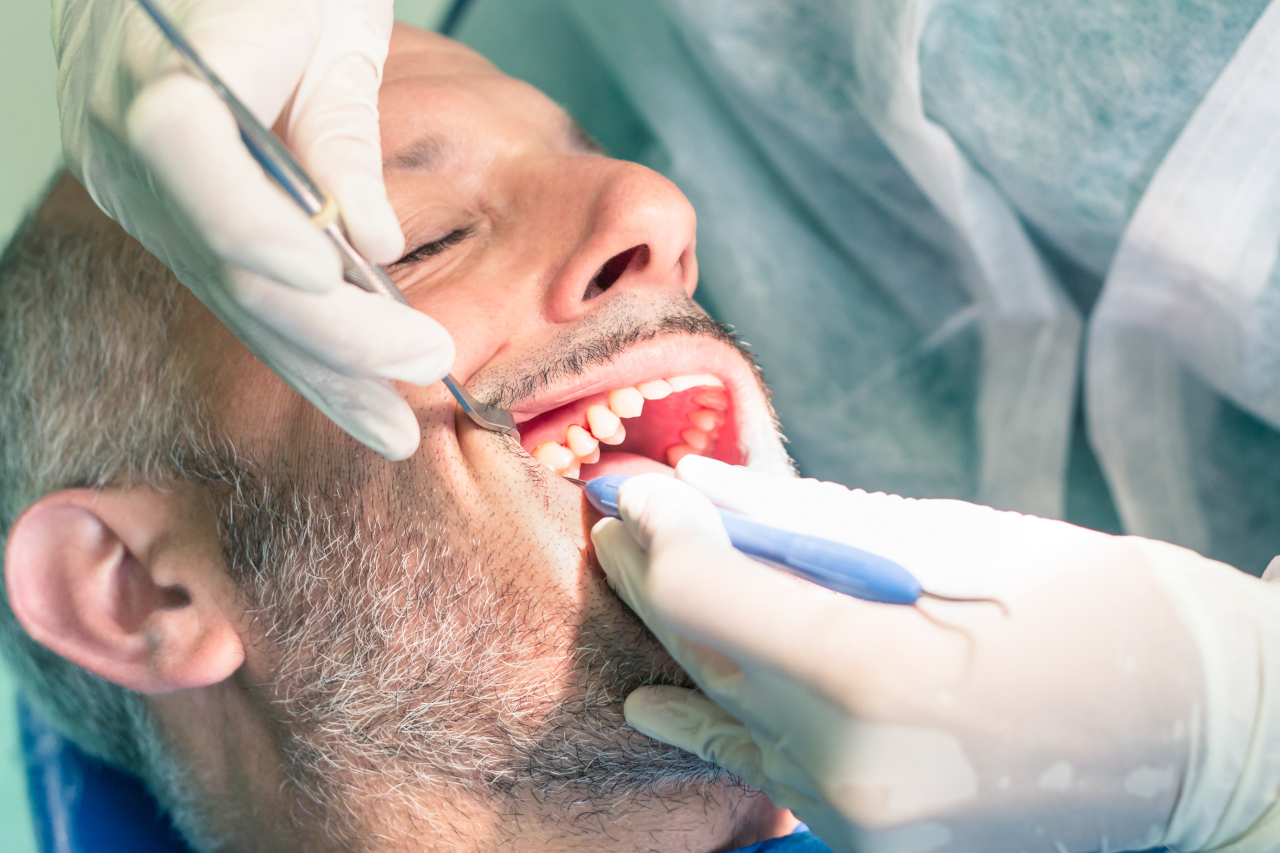
During routine visits, dental professionals remove hardened buildup and polish teeth to reduce surface stains. Furthermore, early signs of gum disease or enamel wear can be detected before they worsen.
Regular checkups every six months help maintain brightness and prevent costly procedures later. This preventive approach aligns with modern standards for patient-focused care.
Safe Whitening Practices
Whitening products are widely available. However, not all methods are suitable for everyone. Overuse of whitening strips or abrasive toothpaste may cause sensitivity or enamel thinning.
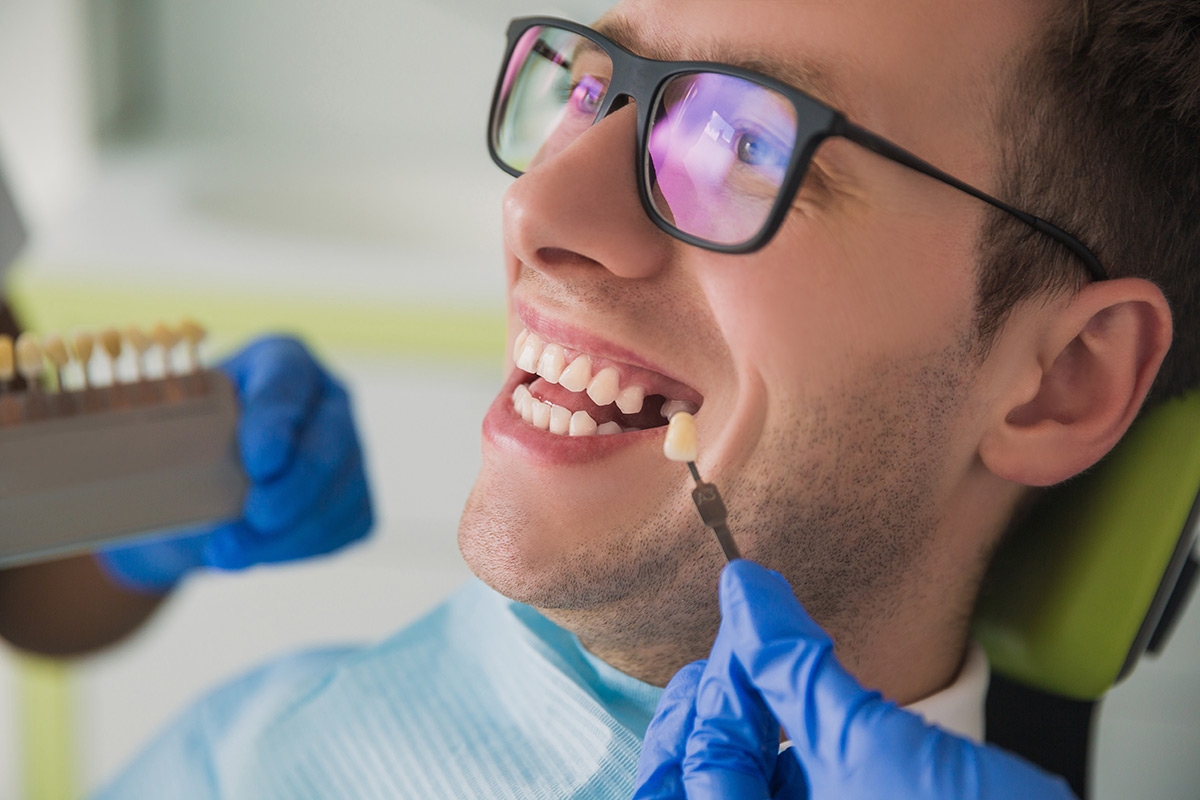
Before starting any whitening treatment, consult a dental professional. Personalized recommendations ensure safety and effectiveness. In-office whitening treatments provide controlled results, while take-home kits offer gradual improvement under supervision.
Responsible whitening is among the most practical dental care tips for enhancing your smile without harming your teeth.
Habits That Protect Enamel
Enamel is the protective outer layer of your teeth. Once worn down, it does not regenerate. Therefore, protecting enamel is essential for long-term brightness.
Avoid brushing immediately after consuming acidic foods or drinks. Instead, wait about 30 minutes to allow enamel to re-harden. Additionally, use gentle pressure when brushing.
Consider these everyday habits that support enamel health:
- Use fluoride toothpaste to strengthen tooth surfaces
- Replace your toothbrush every three to four months
- Limit sugary snacks between meals
- Rinse with water after consuming staining beverages
- Wear a mouthguard if you grind your teeth at night
These simple adjustments can preserve both the color and structure of your teeth.
The Role of Gum Health in a Bright Smile
Lifestyle Choices That Affect Your Smile
Certain habits significantly influence oral health. Smoking and tobacco use stain teeth and increase the risk of gum disease. Moreover, excessive alcohol consumption can contribute to dry mouth and enamel damage.
Stress also plays a role. For example, some individuals grind their teeth during sleep, leading to enamel wear and dullness. In such cases, a custom nightguard may prevent long-term damage.
By adjusting lifestyle choices, you strengthen the impact of other dental care tips and protect your smile more effectively.
Building a Sustainable Oral Care Routine
Consistency is the key to lasting results. Instead of relying on occasional treatments, focus on daily maintenance. Morning and evening brushing, nightly flossing, and regular dental visits create a strong foundation.
Additionally, set reminders if needed. Small routines, when repeated consistently, produce noticeable improvements over time.
At Dedicated Smiles, patient education remains a priority. Clear guidance empowers individuals to make informed decisions about their oral health.
Preventive Care and Modern Dentistry
Modern dentistry emphasizes prevention rather than reaction. Early detection tools and improved cleaning techniques help preserve natural teeth longer. As a result, patients experience fewer invasive treatments.
At Dedicatd Smiles Preventive care also supports overall wellness. Research continues to show connections between oral health and systemic health. Therefore, maintaining a clean, healthy mouth benefits more than just your smile.
Following evidence-based dental care tips reduces the likelihood of complex procedures and supports long-term comfort.
Confidence Begins with Consistency
A bright smile builds confidence in social and professional settings. However, that confidence stems from healthy habits practiced daily. When teeth are clean and gums are strong, you can speak and smile comfortably.
Consistency, balanced nutrition, hydration, and professional guidance work together to maintain brightness naturally. While cosmetic treatments may enhance results, foundational care always comes first.
If you are ready to strengthen your oral care routine, consider scheduling a visit with Dedicated Smiles. You can also explore patient reviews, updates, and clinic information through our Google Business Profile to stay informed about preventive services and ongoing dental care support. Taking that first step today can support a healthier, brighter smile for years to come.