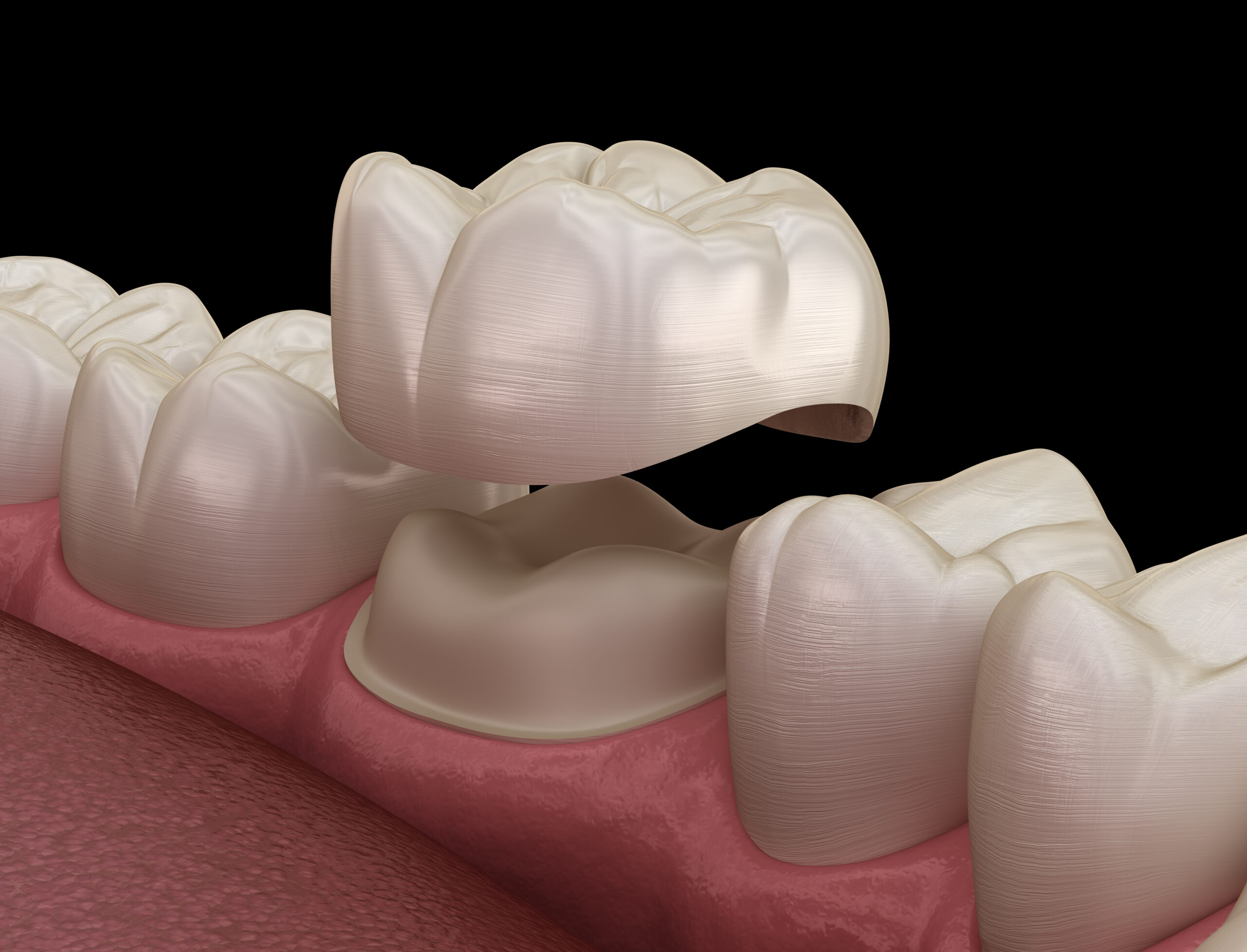

In the ever-evolving world of dental care, Cone Beam Computed Tomography (CBCT) imaging stands out as a game-changer. This advanced imaging technology provides a detailed view of a patient’s dental structure, facilitating better diagnosis and treatment planning. Whether you are a dental professional looking to enhance your practice or a patient curious about the benefits of CBCT, this guide will take you through the various ways this technology can elevate your dental treatment experience.
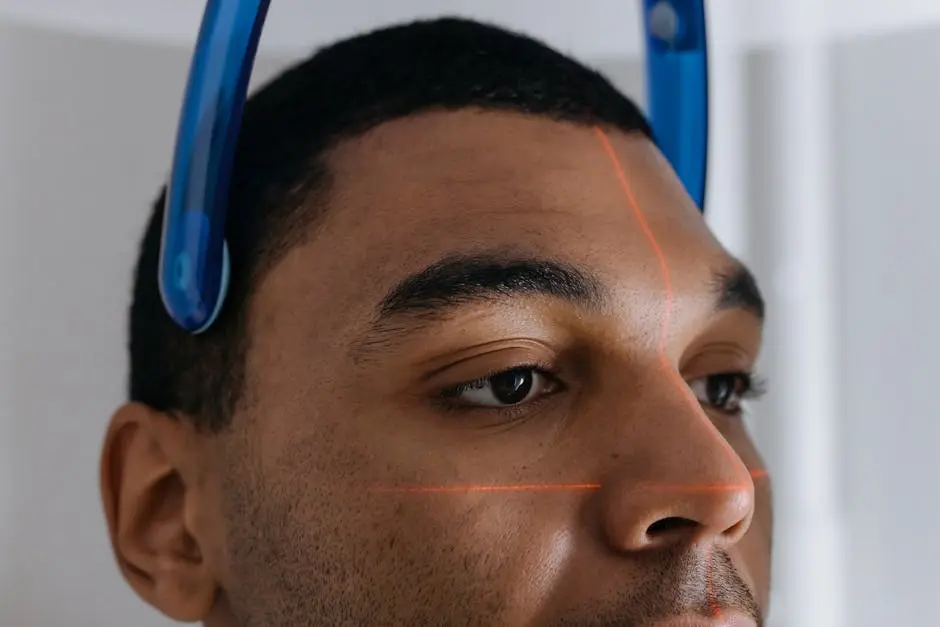
1. Detailed Three-Dimensional Visualization
CBCT imaging allows for precise three-dimensional images of the dental structures, which help in better visualization compared to traditional two-dimensional X-rays.
Imagine stepping into a world where every angle of your jaw and teeth can be examined in stunning clarity. This three-dimensional approach provides dentists with a profound understanding of your unique dental anatomy. They can visualize complex features, such as nerves and blood vessels, that are often hidden in flat images. This means more accurate assessments and fewer surprises during treatment. With CBCT, patients can be assured that their dental team is equipped with the most comprehensive view possible.
2. Improved Diagnosis of Dental Issues
With clearer images, dentists can make more accurate diagnoses of complex dental issues that might be missed with standard imaging.
One of the standout advantages of CBCT is its ability to uncover hidden problems. Conditions such as impacted teeth, jaw disorders, or even subtle bone defects can often be overlooked in standard dental radiography. Thanks to the enhanced detail of CBCT imaging, dentists can identify potential issues earlier than ever before. This early detection is critical, as it allows for prompt treatment, ultimately saving patients from more extensive and complex procedures down the line.
Furthermore, the clarity of these images allows for better communication between dentists and their patients. By showing a patient exactly what’s happening inside their mouth, dentists can explain the need for specific treatments or interventions more clearly. Patients are likely to feel more at ease and informed, leading to higher treatment compliance.
3. Enhanced Treatment Planning
The comprehensive data from CBCT allows for meticulous treatment planning, ensuring that every possible detail is accounted for.
When it comes to developing effective treatment plans, precision is paramount. CBCT imaging yields a wealth of information, contributing to a holistic understanding of a patient’s dental condition. Dentists can create an individualized treatment roadmap that factors in unique anatomical features, such as the location of sinuses or the alignment of teeth. This tailored approach not only enhances the efficiency of dental procedures but also optimizes outcomes.
In cases like extractions or orthodontic adjustments, having detailed insights can significantly enhance the confidence of your dental provider. For instance, they can plan for potential complications and strategize accordingly. As a patient, you can feel secure knowing that your treatment plan is built on a foundation of detailed, accurate imaging.
4. Facilitating Implant Placement
For dental implants, CBCT provides critical information about bone quality and quantity, aiding in successful placement.
Implant placement is a procedure that requires astute planning and precision, and CBCT imaging steps up to meet this need splendidly. With its ability to assess the density and volume of bone in 3D, dentists can determine the ideal location for an implant. This means no more guessing games — the treatment can be executed with remarkable accuracy, reducing the risk of complications significantly.
Additionally, understanding the anatomy surrounding the implant site is crucial. CBCT helps in identifying vital structures, such as nerves and blood vessels, which can impact the success of the procedure. This thorough evaluation ensures that the implants not only fit well but also function perfectly, leading to higher patient satisfaction.
5. Monitoring Treatment Progress
CBCT imaging is valuable for tracking the progress of ongoing treatments, ensuring that everything is proceeding as planned.
Regular follow-ups are essential in maintaining dental health, especially after major procedures like implants or orthodontic treatments. With CBCT, dentists can monitor changes and assess the healing process in non-invasive ways. Each imaging session captures the progression of treatment, allowing for timely adjustments if necessary. This ongoing evaluation helps catch any concerns before they escalate, ensuring a smoother journey towards a healthy smile.
Moreover, tracking treatment progress not only reassures patients but also builds trust in their dental care. When patients can visibly see the positive changes occurring in their dental structures, it enhances their motivation to continue with the prescribed treatment plan.
6. Assist in Orthodontic Assessments
Orthodontists benefit from CBCT by obtaining a clearer understanding of tooth positioning and their relations, which assists in designing effective treatment strategies.
When it comes to orthodontic treatments, precision is key. CBCT imaging lays out a comprehensive view of all teeth, roots, and surrounding structures. This level of detail allows orthodontists to assess the spatial relationships between teeth and plan out interventions that will yield the best results. Whether it’s placing braces or crafting aligners, the information from CBCT means that every move is deliberate and informed.
Furthermore, by visualizing the entire oral architecture, orthodontists can more effectively predict potential outcomes, refining their methods based on each patient’s specific anatomy. Each patient is unique, and custom-tailored strategies lead to more effective treatments and happier, healthier smiles.
7. Patient Education and Engagement
With detailed images at hand, dental professionals can better explain diagnoses and treatment options to patients, fostering their understanding and engagement.
In the realm of healthcare, understanding one’s treatment is paramount. CBCT imaging tools enable dental professionals to present complex dental information clearly. Imagine sitting in the dentist’s chair, visualizing on a screen exactly what needs to be done to improve your oral health. This empowers patients — when they know what’s at stake and how the proposed treatment will work, they’re more likely to engage actively in their care.
Moreover, this level of transparency not only helps in consent but also fosters a stronger patient-dentist relationship. Patients feel valued when their concerns and questions are addressed effectively, leading to better adherence to treatment plans. Engagement is the bridge to successful outcomes.
8. Reducing the Need for Additional Imaging
CBCT can often eliminate the need for multiple imaging sessions, thus saving time and reducing exposure to radiation for patients.
One of the modern-day conveniences offered by CBCT is its efficiency. With its ability to provide a wealth of information in a single scan, it reduces the need for patients to undergo multiple imaging sessions. This not only saves time but also minimizes patient discomfort and reduces overall radiation exposure. In an era where time is of the essence, this aspect of CBCT is particularly appealing to both patients and practitioners alike.
The combination of time savings and enhanced diagnostic capability makes CBCT an excellent investment for dental practices. By minimizing the need for additional imaging, dental professionals can streamline their workflows, focus on patient care, and ensure that each visit is as effective as possible.