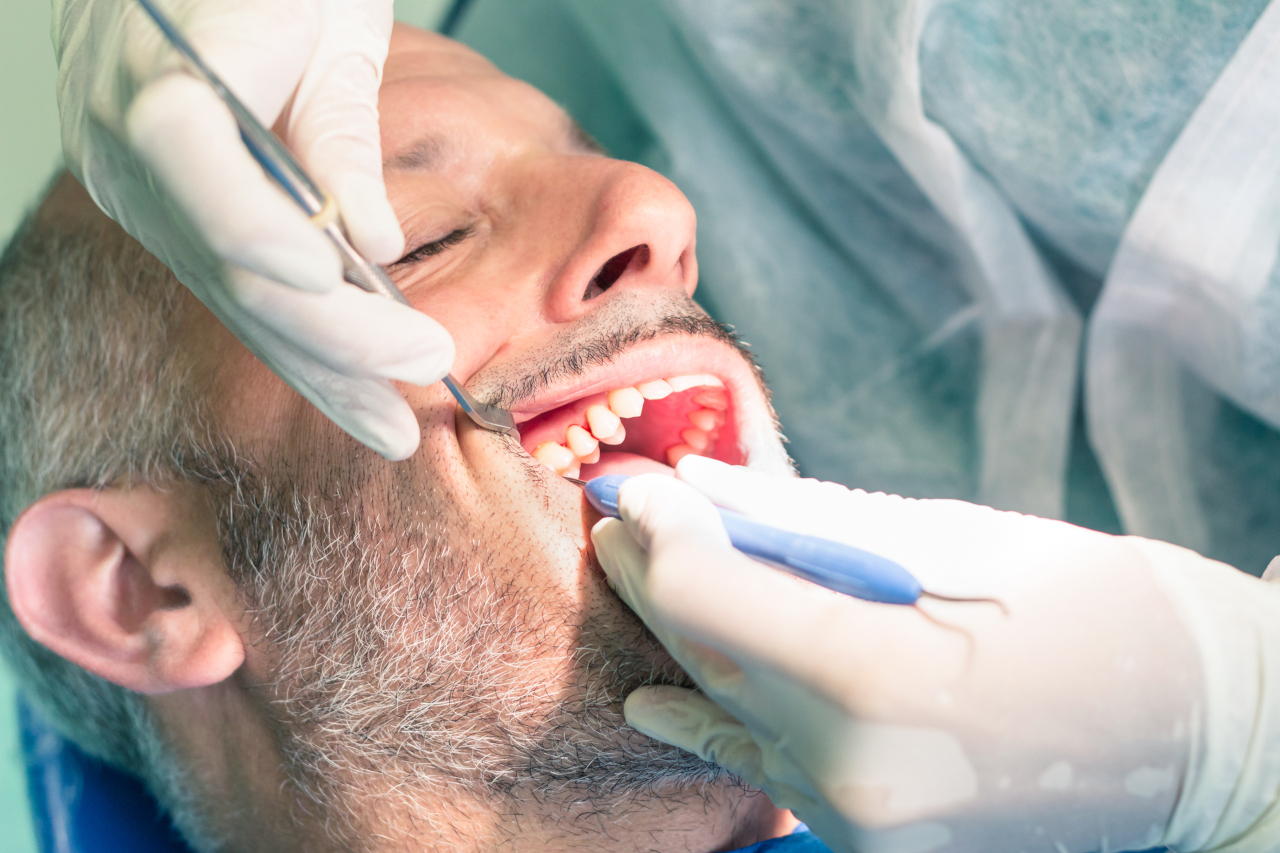

Most dentists want to preserve natural teeth whenever doing so is healthy and predictable. However, there are situations when keeping a severely damaged, infected, or unstable tooth may create more problems than removing it. In those cases, a tooth extraction can become an important step toward restoring comfort and protecting the surrounding mouth.
Dedicated Smiles provides tooth extractions in Woodbridge, VA when a tooth cannot be predictably preserved or when removal is necessary for a broader dental treatment plan. The decision is made after evaluating the tooth, surrounding gums, jawbone, symptoms, and possible alternatives.
What Is a Tooth Extraction?
A tooth extraction is the removal of a tooth from its socket in the jawbone. Extractions may involve teeth that are severely decayed, fractured, infected, loose, impacted, or otherwise unable to remain healthy and functional.
Some extractions are relatively straightforward, while others require a surgical approach depending on the position and condition of the tooth.
However, tooth removal is not automatically recommended simply because a tooth hurts. Pain can sometimes be treated with fillings, crowns, root canal treatment, periodontal therapy, or other restorative procedures.
Therefore, an examination is needed to determine whether saving the tooth remains a reasonable option.
Common Reasons a Tooth May Need to Be Extracted
Severe Tooth Decay
Dental decay gradually destroys tooth structure. When a cavity is discovered early, a filling may be enough to repair the tooth. If more structure has been lost, a crown or root canal treatment may sometimes preserve it.
However, decay can eventually become so extensive that there is not enough healthy tooth remaining to support a predictable restoration.
In that situation, removing the tooth may be recommended instead of placing treatment on a foundation that is unlikely to remain stable.
A Tooth Is Fractured Below the Gumline
Not every cracked tooth needs extraction. Some fractures can be protected with a dental crown, particularly when enough healthy structure remains.
However, a fracture that extends deeply below the gumline or into the root can make restoration difficult or impossible. Vertical root fractures, in particular, may compromise the tooth significantly.
Dental imaging and a clinical examination help determine how far a crack extends and whether the tooth can be saved.
Advanced Gum Disease
Teeth depend on healthy gums and jawbone for support. Advanced periodontal disease can destroy the tissues and bone around a tooth, causing it to become increasingly loose.
Periodontal treatment may help stabilize some teeth. However, a tooth that has lost substantial support may no longer have a predictable long-term prognosis.
If a severely mobile tooth cannot function comfortably or is contributing to ongoing infection, extraction may be considered.
Severe Dental Infection
When bacteria enter the pulp inside a tooth, root canal treatment may sometimes remove the infected tissue and preserve the tooth.
However, not every infected tooth can be restored. If decay, fractures, or structural damage have left too little healthy tooth remaining, extraction may become the safer treatment option.
Dental infections should be evaluated promptly because they can affect the tissues surrounding the tooth.
Impacted Teeth
An impacted tooth does not erupt into its normal position. Wisdom teeth are commonly associated with impaction, although other teeth can also be affected.
An impacted tooth may remain completely underneath the gums or emerge only partially. Depending on its position, it can become difficult to clean or contribute to inflammation, decay, damage to neighboring teeth, or other complications.
Not every impacted tooth automatically needs removal. The decision depends on symptoms, position, health of nearby structures, and the likelihood of future problems.
Overcrowding or Orthodontic Planning
In selected orthodontic cases, tooth removal may be recommended to create space for alignment. However, this depends heavily on the patient’s bite, jaw size, tooth positions, and overall orthodontic plan.
Extractions for orthodontic purposes are carefully coordinated with the treatment designed to move the remaining teeth into improved positions.
A Tooth Cannot Support a Restoration
A tooth may have undergone several previous treatments over the years. Eventually, repeated decay, large fillings, fractures, or loss of structure can leave too little healthy tooth available for another predictable restoration.
At that point, attempting to repair the tooth again may provide limited benefit. Extraction followed by an appropriate replacement plan may offer a more stable long-term approach.
Signs a Tooth May Need an Extraction
Only a dentist can determine whether extraction is necessary. However, several symptoms should prompt an evaluation.
- Severe or persistent tooth pain
- A tooth that is visibly broken near or beneath the gumline
- Significant swelling around a tooth
- A permanently loose adult tooth
- Pain or difficulty chewing on a particular tooth
- Repeated infection around the same tooth
- Drainage or a recurring bump on the gums
- A partially erupted tooth that repeatedly becomes inflamed
These symptoms do not prove that extraction will be necessary. In some cases, restorative or periodontal treatment can still preserve the tooth.
Benefits of Tooth Extractions When Treatment Is Necessary
Removing a natural tooth is not the first choice when the tooth can be predictably saved. However, when extraction is necessary, treatment can provide important benefits.
- Removes a tooth that cannot be restored: Extraction can eliminate a tooth that no longer has enough healthy structure to function predictably.
- Addresses a source of infection: Removing a severely infected, non-restorable tooth eliminates the diseased tooth from the mouth.
- Relieves pressure from problematic teeth: Certain impacted or severely damaged teeth can cause recurring discomfort and inflammation.
- Protects surrounding structures: Extraction may help prevent a damaged or impacted tooth from continuing to affect neighboring teeth.
- Creates space when clinically necessary: Selected orthodontic treatment plans may use extractions to create room for tooth movement.
- Allows restorative planning to move forward: Removing a hopeless tooth can make room for dental implants, bridges, dentures, or other replacement options.
- Improves comfort: Eliminating a severely damaged tooth can address pain associated with that tooth once appropriate healing has occurred.
Can a Tooth Be Saved Instead of Extracted?
Often, yes. Dentists consider several options before determining that removal is the appropriate treatment.
A cavity may be treated with a filling or crown. An infected tooth may sometimes be preserved with root canal therapy. A cracked tooth may be reinforced with a crown if the fracture has not extended too deeply. Meanwhile, teeth affected by periodontal disease may respond to gum therapy when enough support remains.
The question is not simply whether a procedure can technically be performed. Your dentist also considers whether the tooth has a reasonable chance of remaining functional afterward.
Saving a natural tooth is valuable when the expected outcome is healthy and predictable. However, repeatedly treating a tooth with a very poor prognosis may not always be in the patient’s best interest.
What Happens Before a Tooth Extraction?
Your dentist begins with an examination and will usually evaluate dental images of the tooth and surrounding structures.
The shape and number of roots, position of the tooth, amount of visible structure, neighboring teeth, bone, and nearby anatomy can all affect the extraction plan.
Your medical history also matters. Tell your dentist about medications, allergies, health conditions, and any changes in your medical care.
You will receive instructions about the procedure and what to expect afterward. If tooth replacement is being considered, it may also be useful to discuss those options before extraction so the future restoration can be incorporated into the overall plan.
What Happens During a Tooth Extraction?
The treatment area is numbed before the extraction begins. The exact procedure then depends on the position and condition of the tooth.
Some teeth can be removed through a straightforward extraction. Others, including certain fractured or impacted teeth, may require a surgical approach to access and remove the tooth safely.
Your dentist can explain which type of procedure applies to your situation. Although pressure and movement may be noticeable, local anesthesia is used to control pain during treatment.
What Is Recovery Like After a Tooth Extraction?
After a tooth is removed, a blood clot forms within the socket. This clot plays an important role in the early healing process, so protecting it is one of the main priorities after treatment.
Follow the specific post-operative instructions provided by your dentist. These instructions may include recommendations related to eating, cleaning the mouth, physical activity, medications, swelling, and avoiding habits that could disrupt healing.
Soft foods are often more comfortable during the early recovery period. In addition, avoid chewing directly over the extraction site while it is tender.
Do not repeatedly touch the area with your fingers or tongue. Furthermore, follow instructions regarding rinsing and drinking through straws because unnecessary suction or disturbance of the clot can interfere with healing.
What Is Dry Socket?
Dry socket is a complication that can occur when the protective blood clot in the extraction site is lost or does not remain where expected during early healing.
Patients can develop significant pain that may radiate beyond the extraction area. If discomfort becomes substantially worse rather than gradually improving, contact the dental office.
Following post-operative instructions can help reduce avoidable risks. Tobacco use is especially important to discuss because it can interfere with oral healing.
How Long Does a Tooth Extraction Take to Heal?
Initial gum healing occurs gradually during the days and weeks following extraction. However, changes within the underlying bone continue for a longer period.
The timeline depends on the tooth, the complexity of the extraction, your general health, and how well post-operative instructions are followed.
If the site is being prepared for a future dental implant or another restoration, your dentist will determine when healing has progressed enough for the next stage.
Do You Need to Replace an Extracted Tooth?
Not every extracted tooth needs replacement. Wisdom teeth, for example, are usually not replaced.
However, replacing many other permanent teeth may be beneficial because an open space can affect chewing and allow surrounding teeth to move over time.
Replacement options can include a dental implant, bridge, removable partial denture, or another restoration depending on the location and number of missing teeth.
If a tooth is scheduled for extraction, discussing replacement options beforehand can help you understand the complete treatment process rather than making the decision after healing has already begun.
When Should You Seek Prompt Dental Care?
Contact a dentist promptly if you have severe tooth pain, significant swelling, a broken tooth, a loose permanent tooth, or symptoms of infection.
In addition, rapidly increasing facial swelling, difficulty breathing, difficulty swallowing, uncontrolled bleeding, or significant facial trauma requires urgent attention.
Do not wait for a severely damaged tooth to become unbearable before having it evaluated. Earlier diagnosis may reveal that the tooth can still be preserved or may allow extraction to be planned before symptoms become more complicated.
Make the Right Decision for a Damaged Tooth
Tooth extraction is not automatically the answer whenever a tooth causes pain. Many damaged teeth can still be restored. However, when a tooth is severely decayed, fractured, infected, impacted, or no longer adequately supported, removal may protect the rest of the mouth and create an opportunity for healthier restorative treatment.
If you need an evaluation for tooth extractions in Woodbridge, VA, visit Dedicated Smiles at 2970 Prince William Pkwy, Woodbridge, VA 22192. Call Us Today at (703) 583-7720 or contact Dedicated Smiles to book an appointment and discuss whether your tooth can be saved or whether extraction may be the appropriate option.