
How Lifestyle Choices Influence Gumline Decay
Daily habits play a larger role in oral health than many people realize. While brushing and flossing are often discussed, other lifestyle factors quietly influence decay near the gums. Diet, hydration, stress levels, and even sleep patterns can affect how bacteria behave in the mouth.
For example, frequent snacking—especially on refined carbohydrates—creates repeated acid attacks on tooth surfaces. Meanwhile, dehydration reduces saliva production, which normally acts as a natural defense. Over time, these conditions allow bacteria to thrive where the tooth meets the gum.
Additionally, stress can indirectly affect oral health. People under stress may clench their teeth, neglect hygiene routines, or experience dry mouth due to medications. As a result, gumline areas become more vulnerable without obvious warning signs.
The Connection Between Gum Recession and Root Exposure
Gum recession is one of the most overlooked contributors to decay near the gumline. As gum tissue pulls back, it exposes the root surface of the tooth. Unlike enamel, root surfaces are softer and less resistant to bacterial acids.
This exposure increases sensitivity and raises the likelihood of structural damage. Even patients who brush regularly may experience issues if recession is present. Therefore, understanding gum health is just as important as focusing on the teeth themselves.
Dentists often monitor recession carefully, especially in adults and older patients. When detected early, changes in brushing technique or targeted treatments can slow progression and protect exposed areas.
Why This Type of Decay Can Be Hard to Spot
Decay near the gumline often develops in subtle ways. Because it occurs at the edge of the tooth, it may not appear as a visible hole. Instead, the surface can look slightly dull, darker, or uneven.
Moreover, discomfort may come and go. Sensitivity might appear only with cold drinks or sweet foods, leading many patients to dismiss it. Since pain is not constant, professional evaluation is often delayed.
This is why routine dental exams matter. Dentists are trained to detect small changes that patients may overlook. Early identification prevents deeper damage and simplifies treatment.
Differences Between Gumline Decay and Traditional Cavities
Although both involve bacterial damage, decay near the gumline behaves differently from cavities on chewing surfaces. Enamel thickness is reduced near the gum margin, allowing bacteria to progress faster.
In contrast, cavities on the top of teeth usually take longer to reach sensitive inner layers. This difference explains why gumline issues often become serious more quickly.
Additionally, restorations near the gumline require precise placement. Dentists must protect surrounding gum tissue while ensuring the filling seals properly. Skill and careful planning are essential for long-lasting results.
Treatment Planning: What Patients Can Expect
Once decay is identified, treatment planning begins with a detailed evaluation. Dentists assess depth, location, and surrounding tissue health. Based on these findings, they recommend an approach that balances preservation and durability.
For early-stage damage, non-invasive methods may help stabilize the area. Moderate cases often require restorative work to rebuild structure and prevent further spread. Advanced cases may involve more complex care to address both tooth and gum concerns.
Throughout this process, patient comfort and clarity remain priorities. Understanding why a specific treatment is recommended helps patients feel more confident and involved in their care.
The Importance of Precision in Restorations
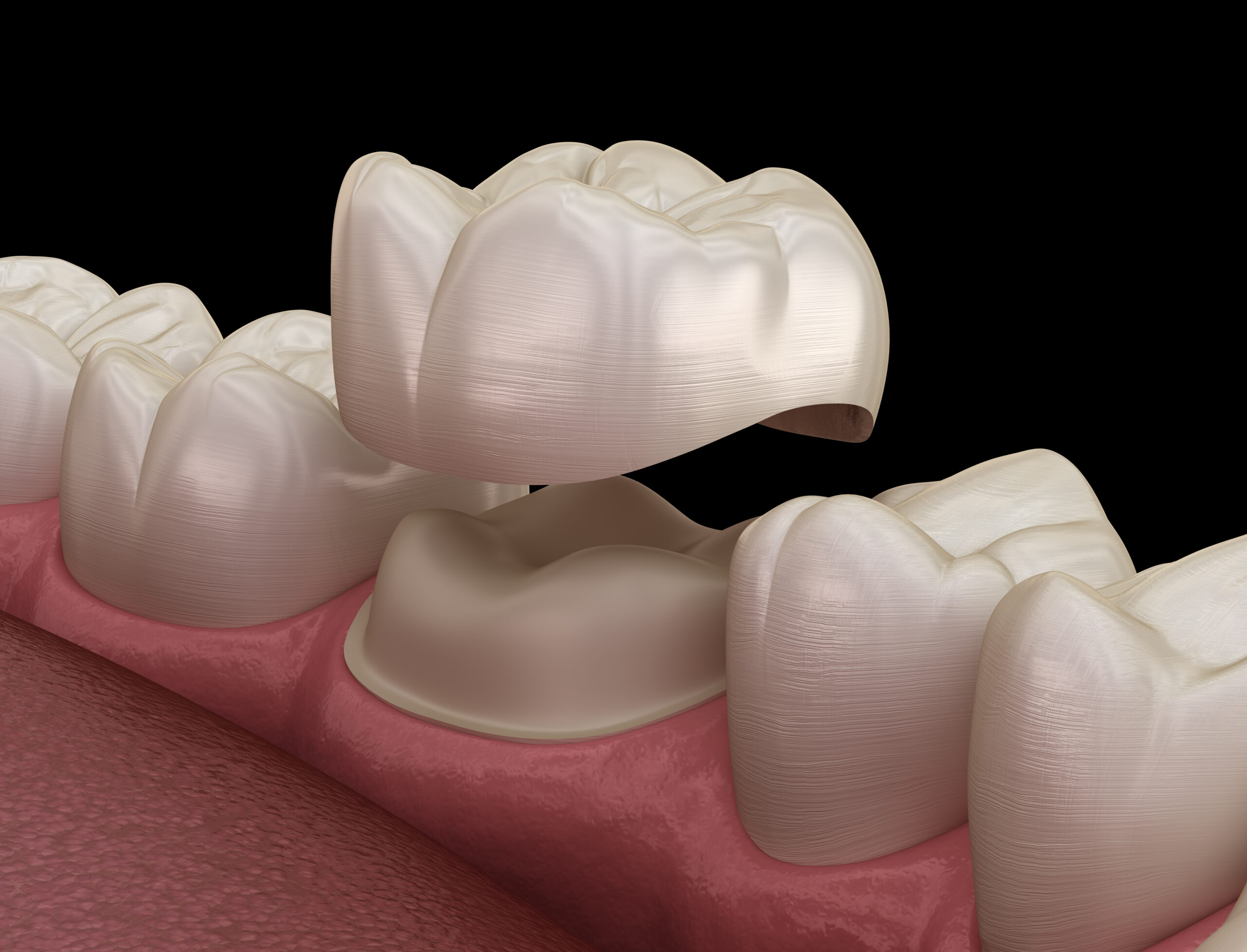
Restorations near the gumline must fit precisely. Even small gaps can allow bacteria to return, leading to recurring problems. Dentists take extra care to shape and polish restorations so they blend naturally with the tooth surface.
A well-finished restoration supports gum health and makes cleaning easier at home. In contrast, poorly contoured fillings can irritate gums and trap plaque. This is why experience and attention to detail matter in these cases.
Oral Hygiene Techniques That Protect the Gumline

While brushing twice daily is essential, technique matters just as much as frequency. Many patients unknowingly brush too hard, which can damage gums over time. Switching to gentle, angled strokes helps clean effectively without causing recession.
Flossing also deserves attention. Instead of snapping floss downward, guiding it carefully along the curve of the tooth reduces trauma to gum tissue. These small adjustments make a meaningful difference over time.
Using dentist-recommended products further supports daily care. Toothpaste with fluoride and desensitizing properties can help strengthen vulnerable areas while reducing discomfort.
How Dental Visits Support Long-Term Stability
Regular dental visits do more than clean teeth. They provide opportunities to monitor subtle changes, reinforce healthy habits, and adjust care plans as needed. Even when no pain is present, these visits act as preventive checkpoints.
Professional cleanings remove hardened deposits that brushing cannot. Additionally, exams allow dentists to detect early warning signs before they develop into larger concerns.
Consistency is key. Patients who attend routine appointments often experience fewer complications and maintain healthier gums throughout life.
Addressing Sensitivity Without Ignoring the Cause
Sensitivity is often the first symptom patients notice. While desensitizing products may offer temporary relief, they should not replace professional evaluation. Masking symptoms without addressing the underlying issue allows damage to progress unnoticed.
Dentists can determine whether sensitivity stems from enamel wear, gum recession, or early decay. Once the cause is clear, targeted treatment provides lasting relief rather than short-term comfort.
How Nutrition Supports Gum and Tooth Health
Diet choices influence oral health every day. Foods high in sugar and acid increase bacterial activity, especially near the gumline. In contrast, balanced meals support saliva production and tissue repair.
Crunchy fruits and vegetables stimulate saliva and help clean tooth surfaces naturally. Calcium-rich foods strengthen teeth, while water helps rinse away debris. Over time, these choices create a healthier environment in the mouth.
Making mindful dietary adjustments supports both dental treatment outcomes and overall wellness.
The Role of Patient Awareness in Prevention
Education empowers patients to take control of their oral health. Understanding how decay develops encourages proactive care rather than reactive treatment. When patients recognize early signs, they are more likely to seek timely advice.
Clear communication between dentist and patient builds trust and leads to better outcomes. Questions are welcomed, and explanations help patients feel informed rather than overwhelmed.
Dedicated Smiles Commitment to Preventive Care
Dedicated Smiles emphasizes prevention, clarity, and patient comfort. By focusing on early detection and education, the practice helps patients avoid unnecessary complications.
Each visit is an opportunity to assess current health, review home care habits, and plan for long-term stability. This patient-centered approach supports healthier smiles at every stage of life.
Contact and Continued Care
If you notice ongoing sensitivity, changes near your gums, or discomfort that does not resolve, seeking guidance is a practical next step. Early evaluation provides peace of mind and prevents minor issues from becoming disruptive.
Patients can reach Dedicated Smiles through the Contact Us page or visit the practice’s Google Business Profile (GMB) to explore reviews, directions, and updated office information. Taking action early often leads to simpler care and better outcomes.
Final Thoughts on Protecting Your Smile
A Gumline Cavity develops quietly but can have lasting effects if ignored. Awareness, consistent care, and timely professional support make all the difference. By staying informed and attentive, patients protect not only their teeth but also their comfort and confidence over time.