
Many people experience tooth discomfort at some point in their lives. A quick reaction to cold water or hot food often feels harmless and passes quickly. However, not all sensitivity is minor. In certain situations, it can indicate a serious dental issue that requires immediate care.
Knowing when discomfort crosses the line from mild irritation to a dental emergency is essential. Acting early can help prevent complications, avoid severe pain, and protect long-term oral health.
Understanding What Tooth Sensitivity Is
Teeth are protected by enamel, a hard outer layer that shields the inner structures. Beneath the enamel lies dentin, which contains microscopic channels connected to the tooth’s nerve. When dentin becomes exposed, sensations travel directly to the nerve, causing discomfort.
Tooth Sensitivity occurs when these protective layers weaken or when the nerve becomes irritated. While some cases are temporary, others point to deeper problems that need professional attention.
Why Sensitivity Should Not Always Be Ignored
Occasional sensitivity can feel manageable. Still, ongoing or intense discomfort often signals that something more serious is happening beneath the surface. Because teeth cannot heal themselves, untreated issues tend to worsen over time.
In many cases, early care reduces the need for complex treatment. On the other hand, delayed care often leads to infection, structural damage, or tooth loss.
Situations Where Sensitivity Is Usually Not an Emergency
Not every case requires urgent attention. Some sensitivity is temporary and improves with routine care.
Common non-emergency causes include:
- Recent professional cleaning
- Mild enamel wear
- Whitening treatments
- Short-term irritation from acidic foods
If discomfort fades within a few days and does not worsen, it can usually wait for a regular dental visit. However, changes in intensity or duration should always be monitored closely.
When Tooth Sensitivity Becomes a Dental Emergency
Lingering Pain After Heat or Cold Exposure
A brief response to temperature is common. However, pain that lingers long after the trigger is removed often signals nerve inflammation or decay near the pulp.
This type of response suggests the tooth is no longer able to protect its nerve. Without treatment, the condition may progress into infection or abscess formation.
Sudden Sensitivity With No Clear Cause
Sensitivity that appears suddenly, especially in one tooth, should raise concern. Even without visible damage, cracks or decay can exist beneath the surface.
Sudden Tooth Sensitivity often indicates structural compromise and should be evaluated quickly to prevent further damage.
Sensitivity Alongside Swelling or Redness
Swelling in the gums, jaw, or face paired with sensitivity often points to infection. Infections can spread beyond the tooth and affect surrounding tissues if ignored.
Because oral infections may impact overall health, this combination is considered a dental emergency.
Sharp Pain When Biting or Chewing
Sensitivity that appears only during pressure often signals a crack, fractured filling, or bite imbalance. These issues allow bacteria to reach sensitive inner layers of the tooth.
Over time, pressure-related discomfort typically intensifies and rarely resolves on its own.
Sensitivity That Disrupts Sleep or Daily Life
Pain that interferes with eating, speaking, or sleeping indicates advanced irritation. At this stage, the nerve is often involved, and waiting can increase the risk of permanent damage.
Sensitivity that affects quality of life should be addressed immediately.
Common Causes of Emergency-Level Sensitivity
Tooth Sensitivity that requires urgent care is often linked to underlying conditions that worsen without treatment.
- Deep cavities reaching the nerve
- Dental abscesses or infections
- Cracked or fractured teeth
- Advanced gum disease
- Failed restorations
- Trauma or injury to the mouth
Each of these conditions can escalate quickly, making early evaluation essential.
Why Delaying Treatment Can Be Dangerous
Ignoring severe discomfort allows bacteria to spread deeper into the tooth and surrounding bone. Over time, this may result in swelling, fever, or systemic infection.
Additionally, delayed care often leads to more invasive procedures. Early treatment, however, typically preserves more of the natural tooth and shortens recovery time.
Temporary Relief While Waiting for Care
If immediate care is not available, certain steps may help manage discomfort until professional treatment is provided:
- Avoid chewing on the affected side
- Rinse gently with warm salt water
- Apply a cold compress for swelling
- Use pain relief medication as directed
These measures are temporary and should not replace professional evaluation.
How Emergency Dental Care Addresses Sensitivity

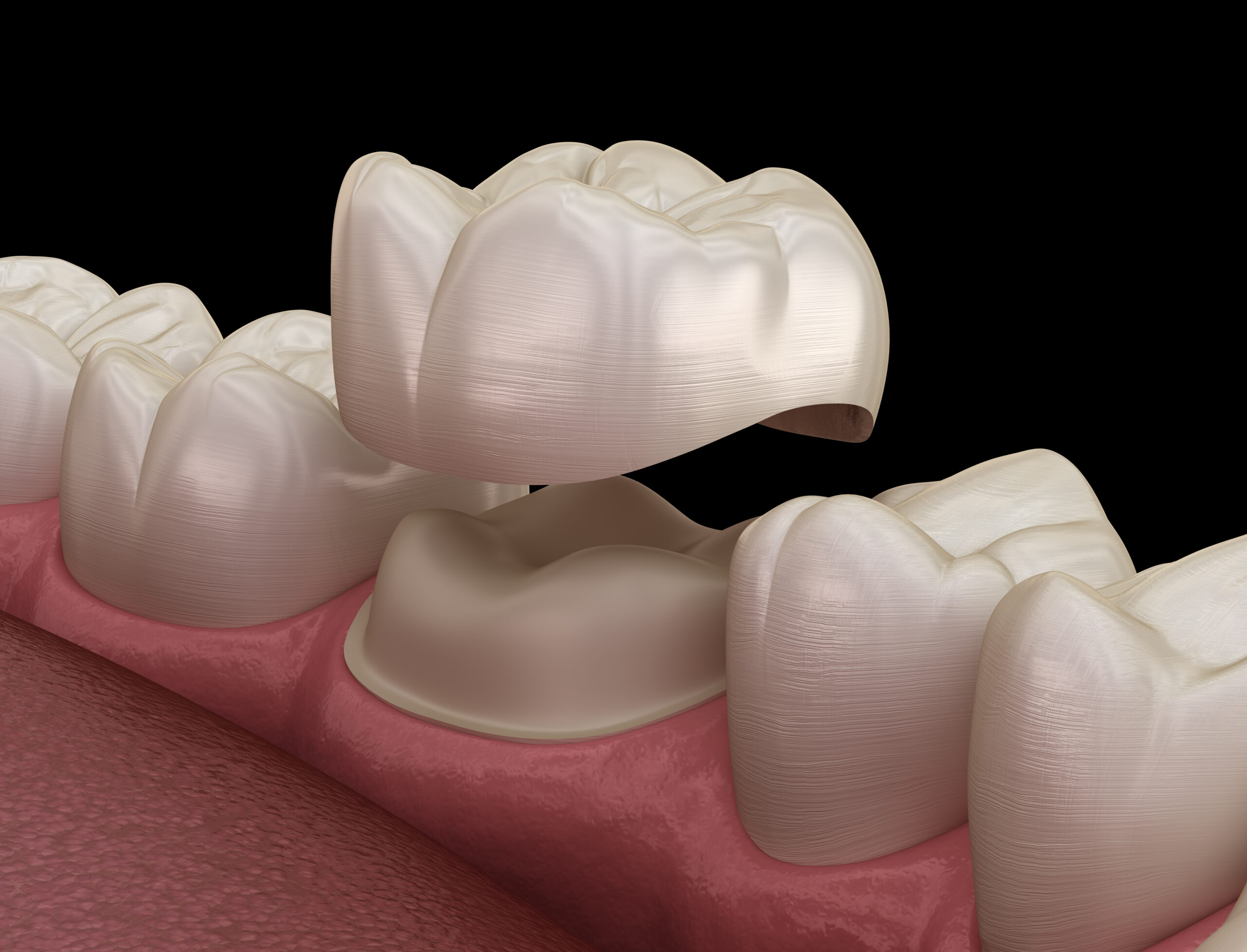
Treatment depends on the cause and severity. Dentists may recommend fillings, crowns, root canal therapy, or infection management. In some cases, damaged restorations are replaced to restore protection.
The primary goals are to relieve pain, eliminate infection, and protect long-term oral health.
Signs That Immediate Dental Care Is Needed
Tooth Sensitivity should be treated as an emergency when:
- Pain lingers or worsens
- Sensitivity appears suddenly
- Swelling or fever develops
- Pain occurs when biting
- Daily activities are affected
Recognizing these warning signs helps prevent serious complications.
Long-Term Prevention of Sensitivity-Related Emergencies
While not all issues are preventable, consistent oral care significantly reduces risk. Regular checkups allow early detection of problems before they escalate.
Maintaining good hygiene, addressing grinding habits, and seeking care at the first sign of discomfort can help protect teeth over time.
Why Early Evaluation Matters
Tooth Sensitivity often starts as a minor issue. However, when left untreated, it can quickly become a serious concern. Early evaluation allows dentists to address the cause before irreversible damage occurs.
Prompt care often results in simpler treatment and better outcomes.
Final Thoughts
Sensitivity should never be dismissed without consideration. While some cases are harmless, others can signal urgent dental issues that require immediate attention. Listening to your body and acting early can protect both oral health and overall well-being.
If discomfort persists, worsens, or appears suddenly, a professional evaluation at Dedicated Smiles is often the safest next step to identify the cause and prevent further complications.
A Gentle Next Step
If you are experiencing ongoing discomfort and want clarity on the cause, scheduling an evaluation through our Contact Us page on our Google Business Profile can help you take the next step toward relief and proper care.